
Aquatic Life Institute blog

New Benchmark Recognizes ALI as Key Stakeholder
We’d like to share a major milestone and victory for farmed aquatic animals! The new Food & Ag benchmark from the World Benchmarking Alliance has updated several indicators on animal welfare using our feedback language.
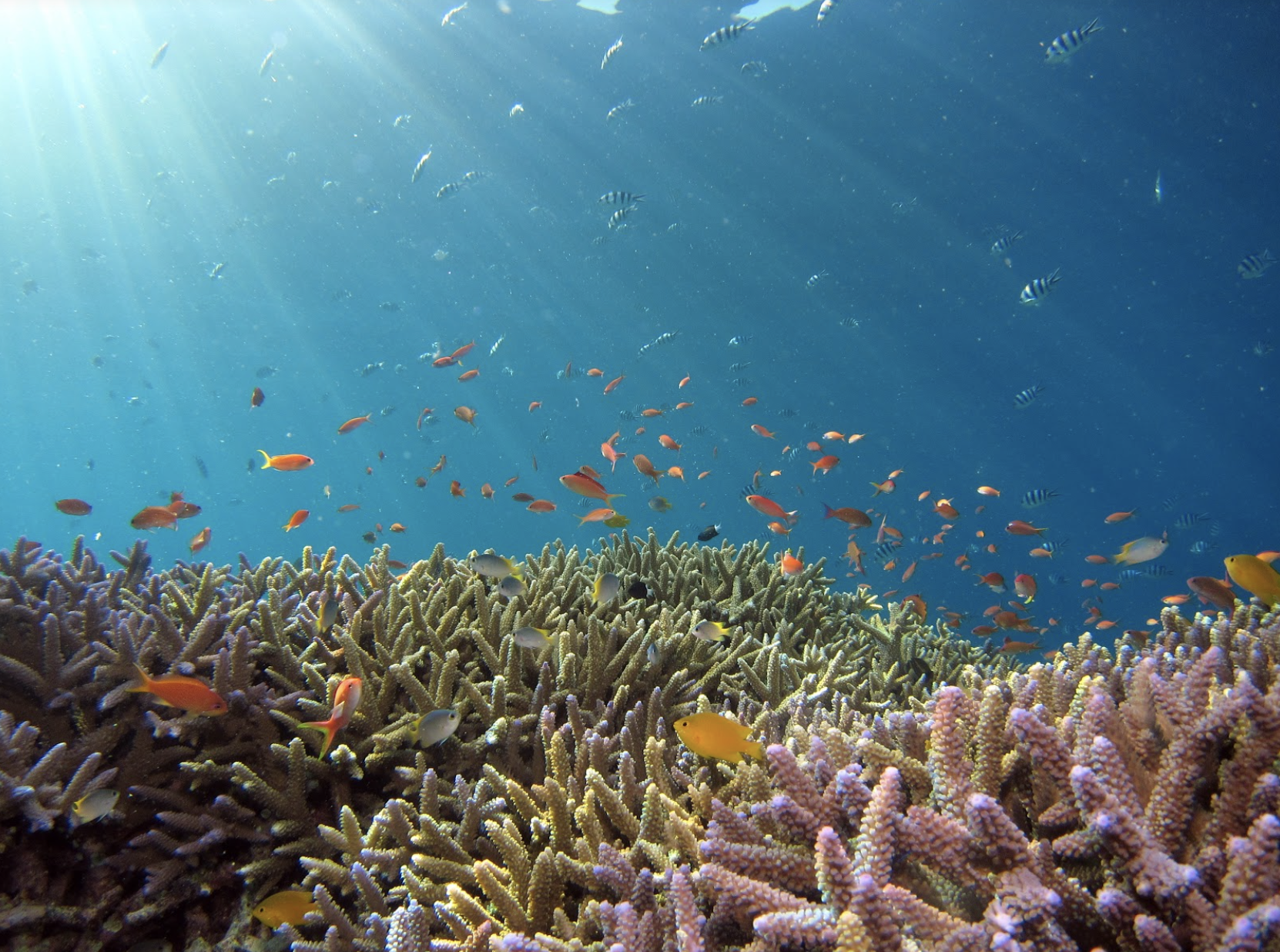
The Foundation for Marine Life - Coral
Among the most well-known animals in the sea, as well as the foundation for a quarter of all marine life is Coral. Related to Sea Anemone and Sea Jelly, all three species belong to the phylum Cnidaria and are made up of polyps which have stinging cells in their tentacles called nematocysts. It is believed that coral is over 500 million years old, and has survived numerous extinction events, but due to the recent direct impact of humans one fifth of the world’s coral is dead and not coming back.
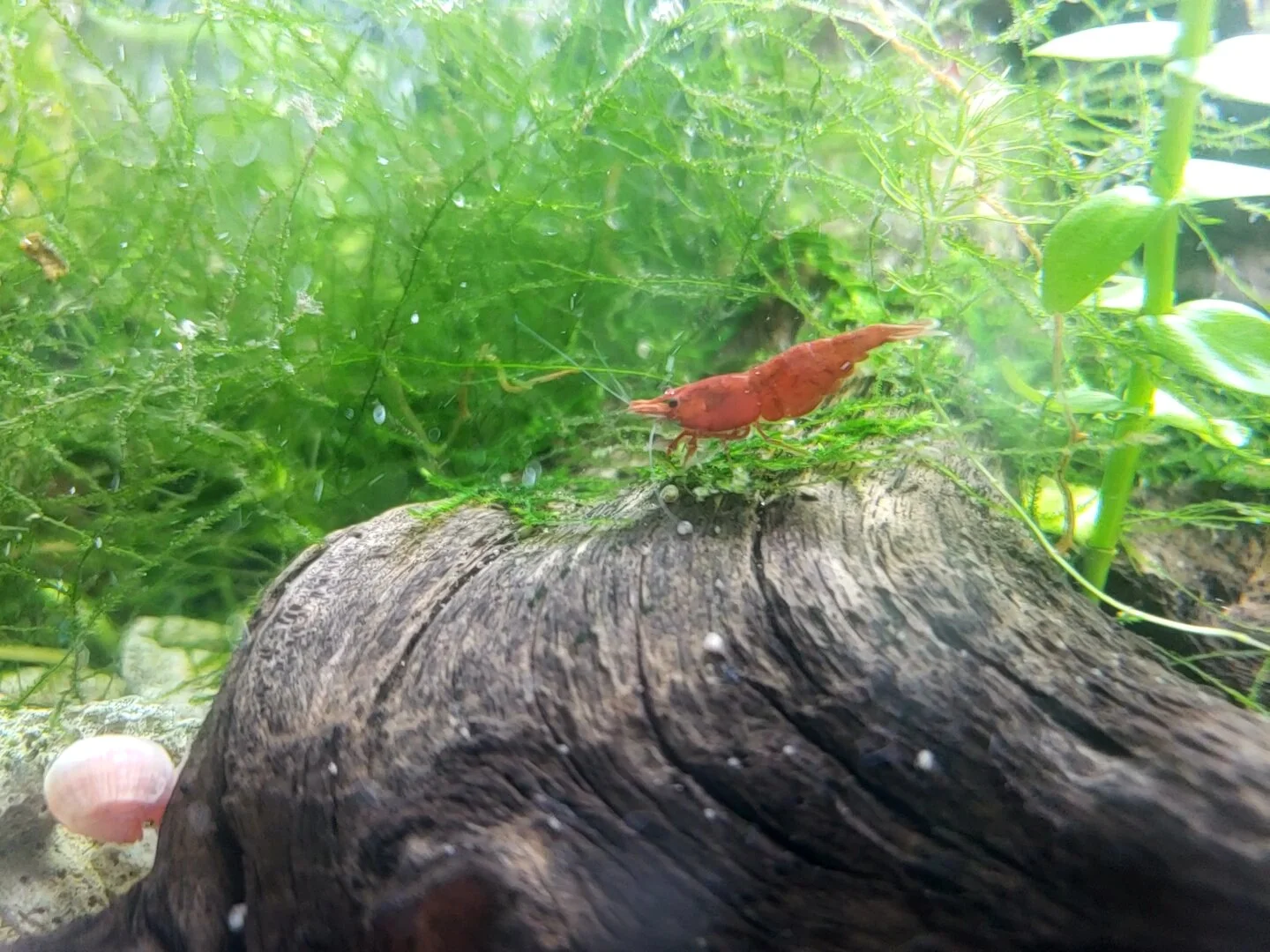
Shrimps: Surprisingly Delightful Companions
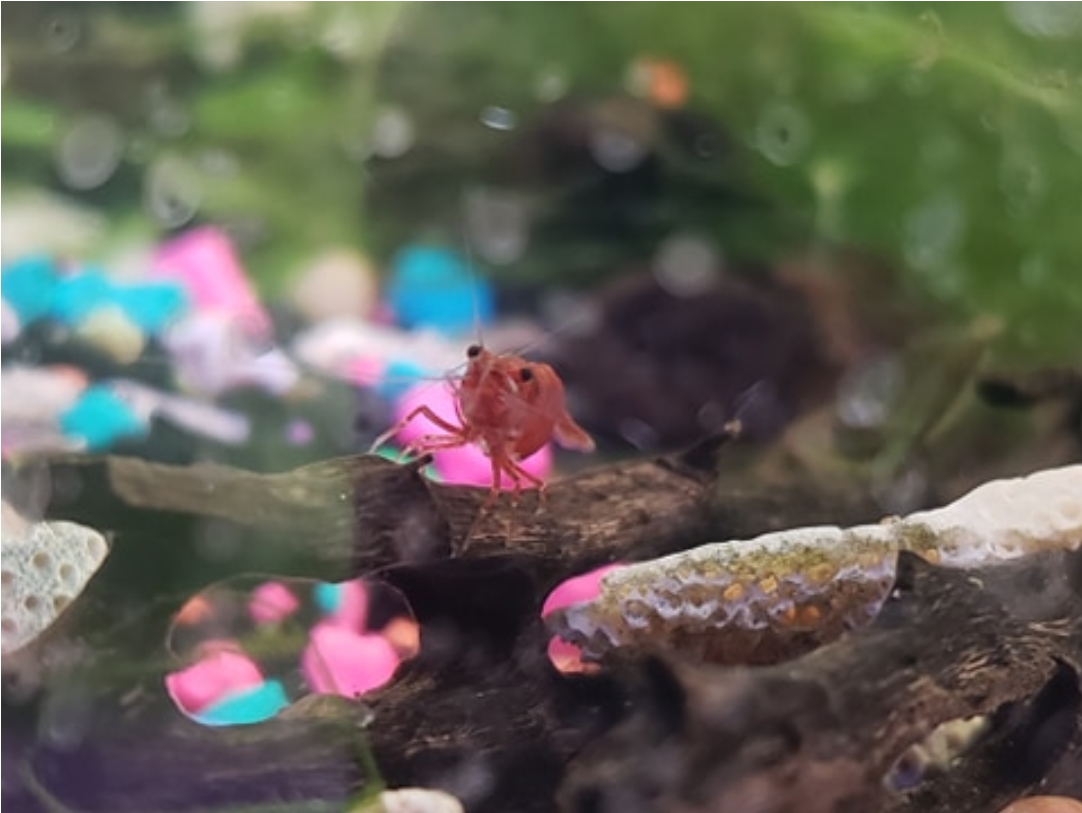
Last month, I had the opportunity to adopt several aquatic animals from someone moving and unable to take their tanks with them. And so I welcomed a colony of neocaridina shrimps into my home. When picturing shrimps, most of us likely first imagine shrimps inanimate, dead by the dozen on a plate as hors d'oeuvres or dismembered in a bowl of pasta. The term “shrimp,” however, refers to many thousands of species with a broad range of habitats and needs, whose lives and behaviors are both diverse and fascinating. And, I would learn, shrimps can be surprisingly charming when alive and well!
Creating Sanctuary for Aquatic Animals
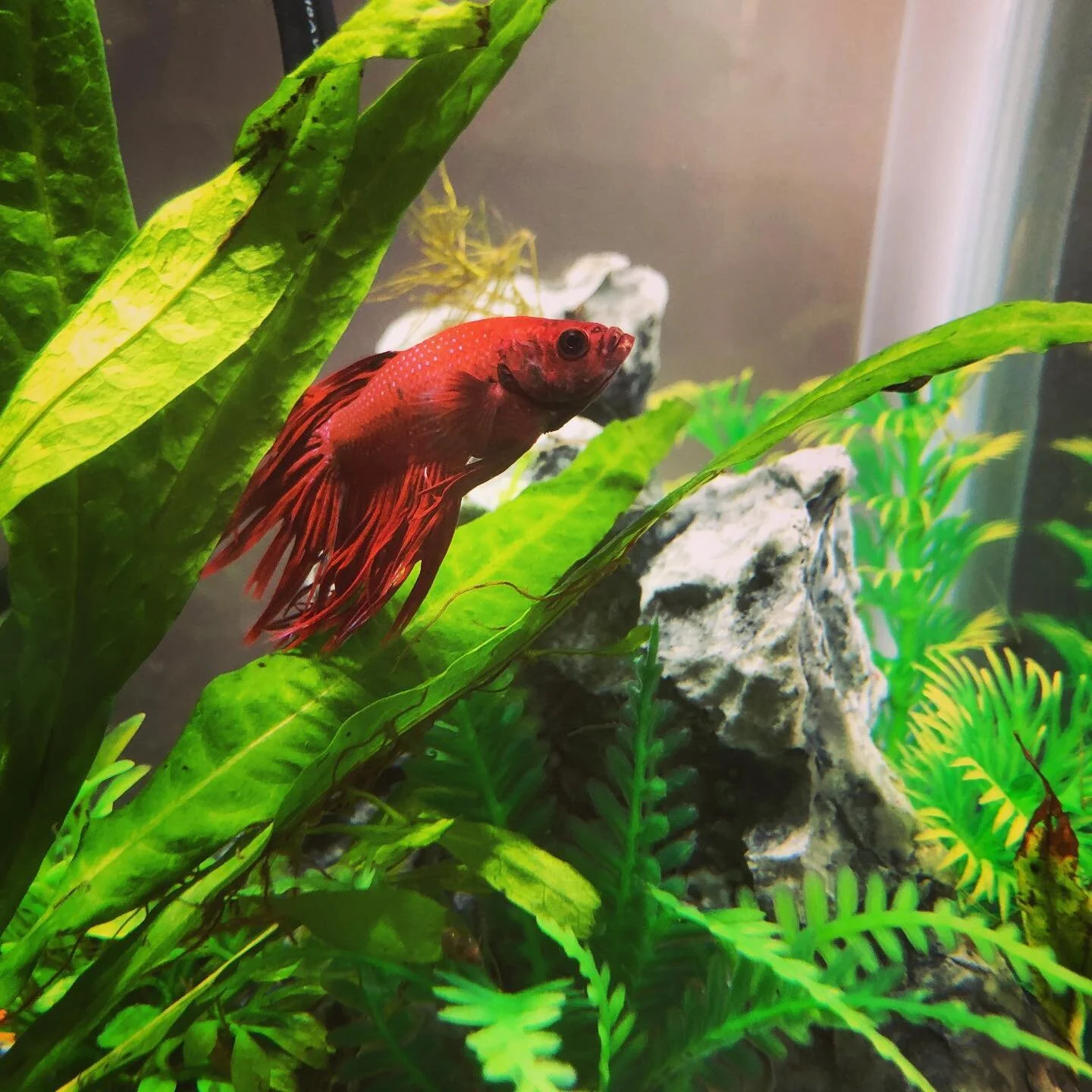
A newer tide among animal advocates has untapped potential: aquatic animal sanctuaries.
The World’s Forgotten Fishes
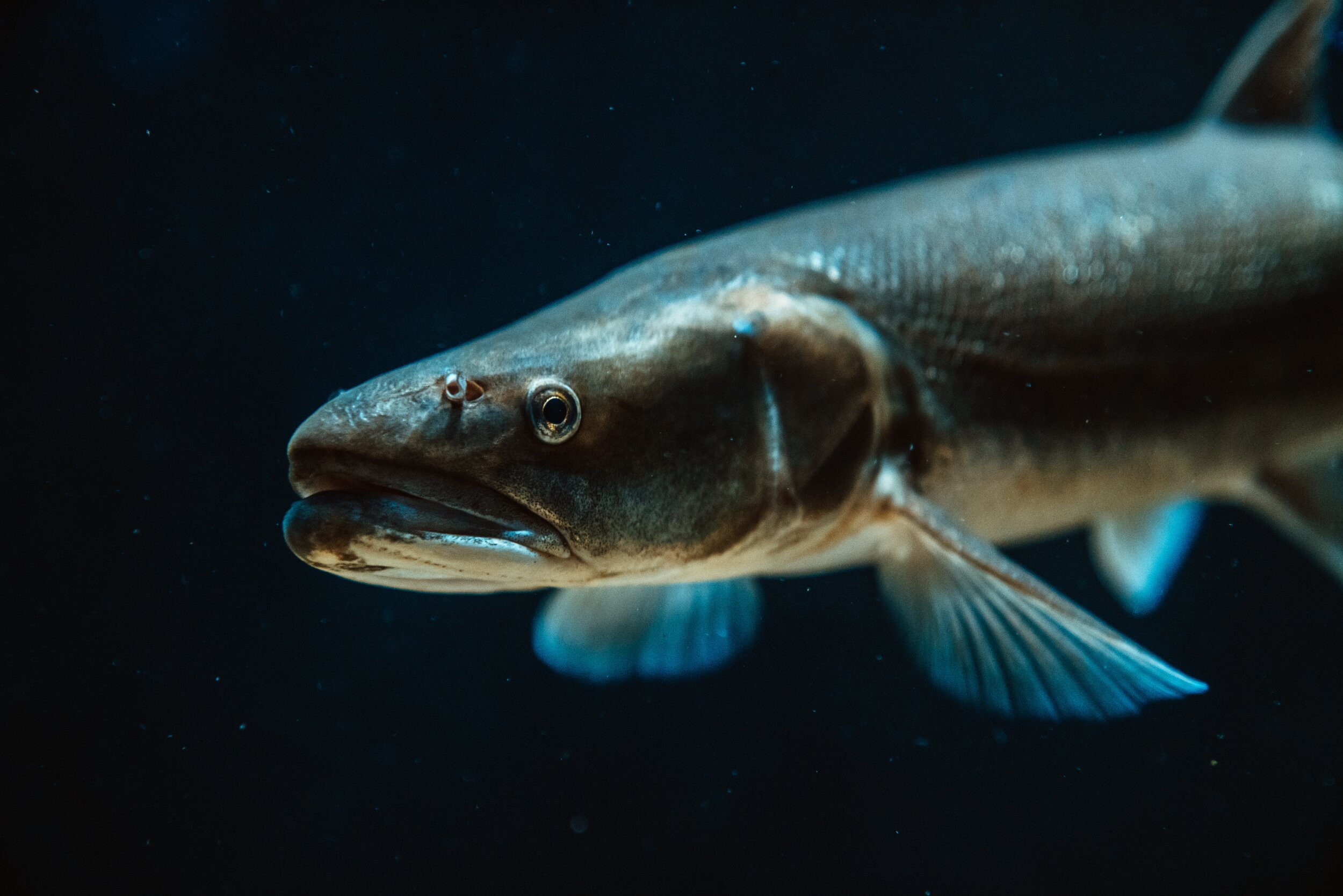
Rivers, lakes and wetlands are among the most biodiverse places on earth. They cover less than 1% of the planet’s total surface, yet they’re home to almost a quarter of all vertebrate species – including over half of all the world’s fish species.It’s an extraordinary fact: 51% of all known species of fish live in freshwater - 18,075 species. And more are being discovered all the time.
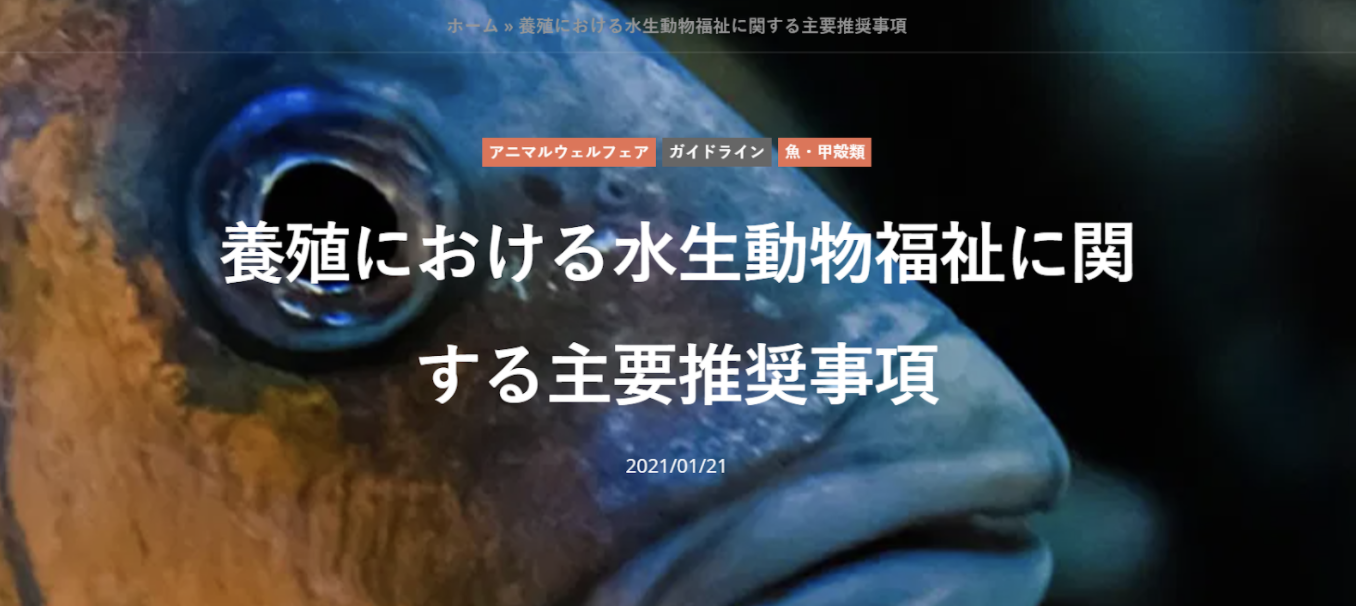
Aquatic Animal Welfare Guide in Japanese
A member of the Aquatic Animal Alliance -- Animal Rights Center Japan -- has translated our aquatic animal welfare guide into Japanese, broadening our advocacy reach into a hugely important market: Japan.
Major Victory: Billions of Lives Improved
At the end of 2020, we received tremendous news for the Aquatic Life Institute, Aquatic Animal Alliance, and the trillions of individuals on whose behalf we work: Product certifier GLOBALG.A.P., which certifies an estimated two billion aquatic animals each year, made significant welfare updates to their standards in response to our June feedback. This means approximately two billion aquatic animals each year will live improved lives. It is also the first major victory in our coordinated global advocacy effort.
Advocating for Aquatic Animals
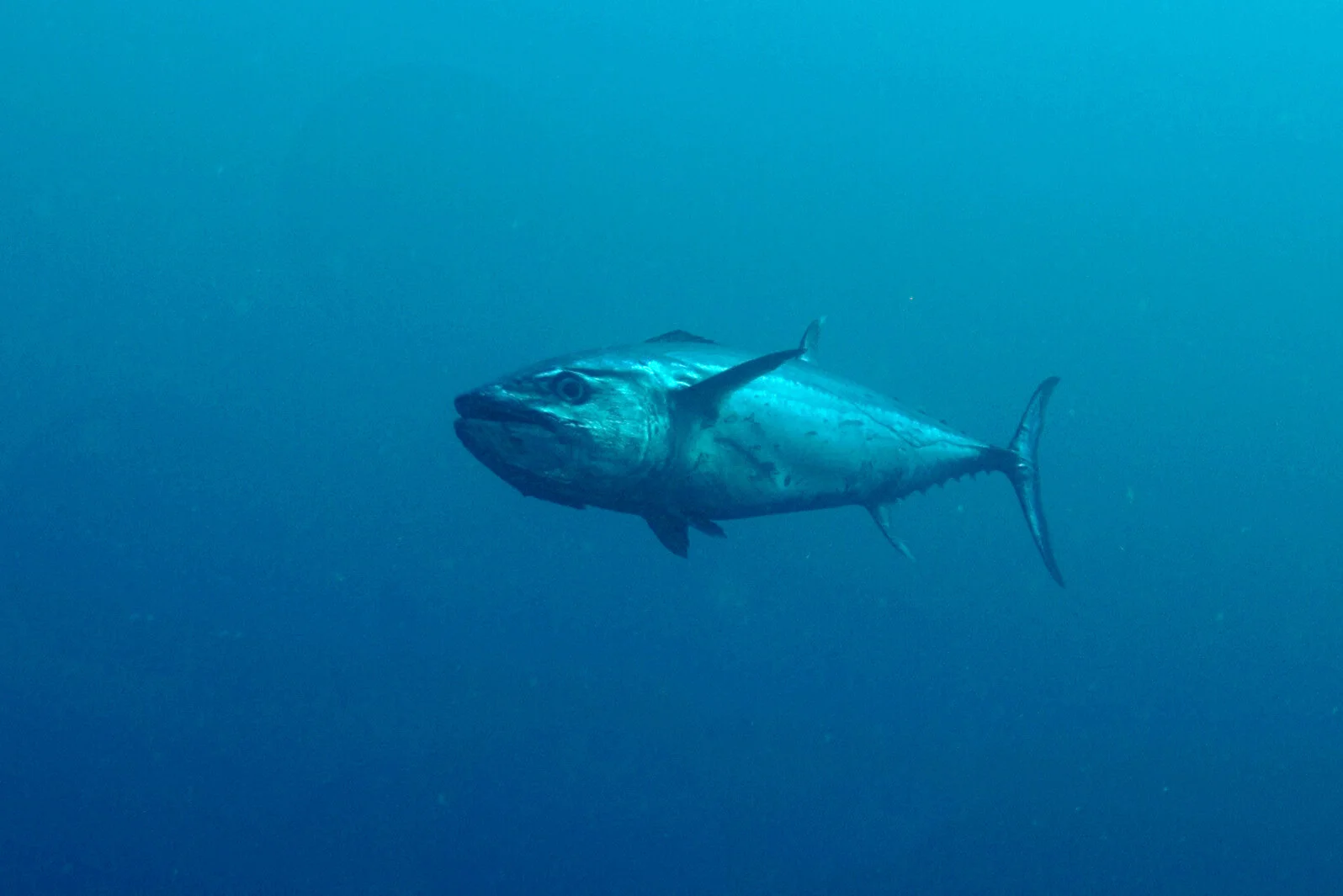
Despite widely held beliefs that fish and other aquatic animals do not feel pain, are unintelligent or not sentient, this is simply not the case. In fact, research confirms the fact that many of these animals are intelligent, sentient, and have other important qualities, yet are among the most widely used and abused beings on the planet. Even within the animal advocacy and animal law movements, these beings have historically received less consideration and attention than other animals. However, the tide is slowly turning. In Part I of this three-part blog series, we share our insights as to why aquatic animals are disregarded and highlight some examples of how we treat them differently.
Wild Atlantic Salmon are Threatened
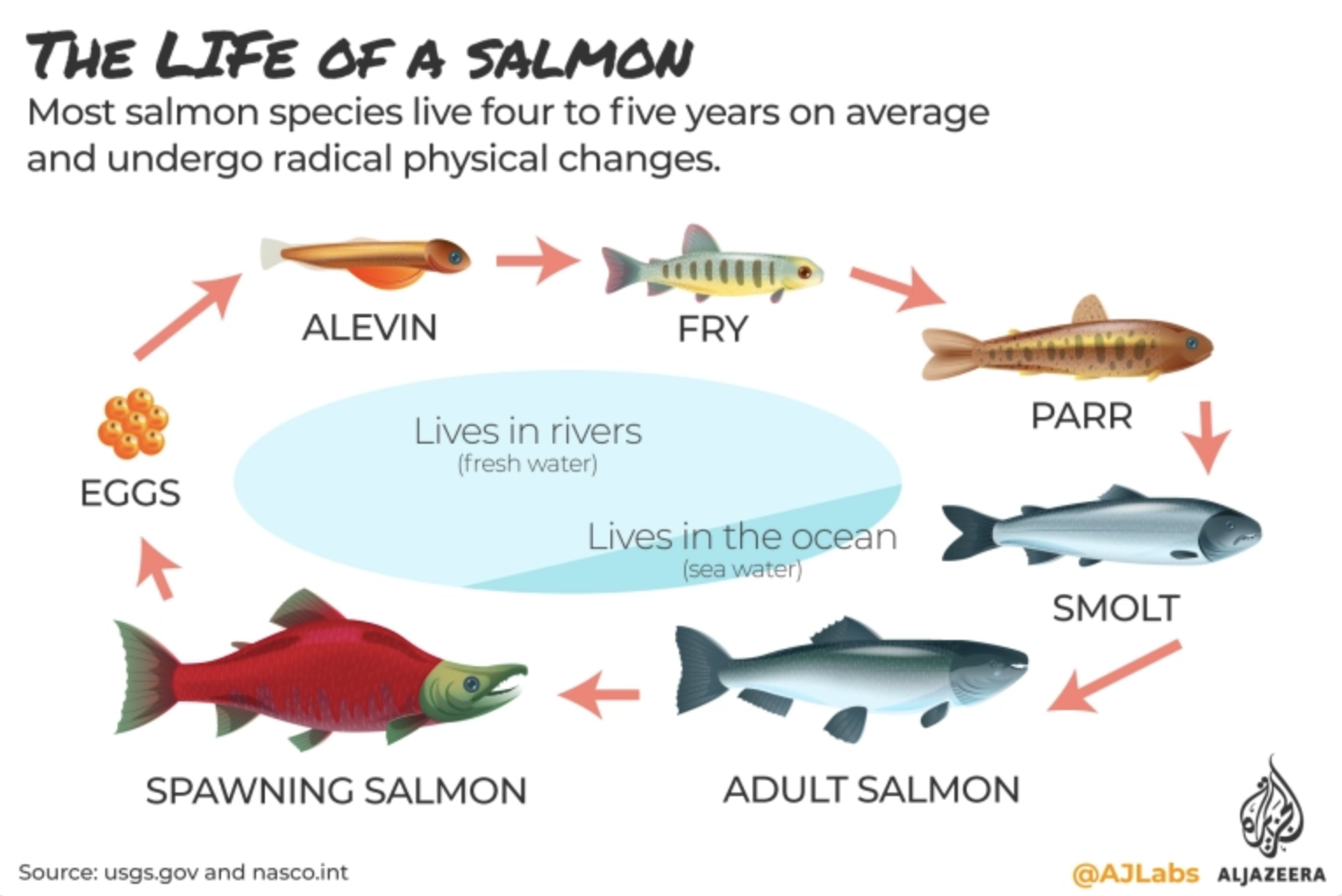
But year after year, the numbers of returning salmon have been decreasing. And in the last few years, the decline has been in freefall. In Scotland, it is estimated that less than 5 percent of salmon return to their rivers, compared with 20 percent 50 years ago. And it is a problem across the range of the Atlantic salmon, from the United States to Russia.
Fish Welfare in Wild Capture Fisheries
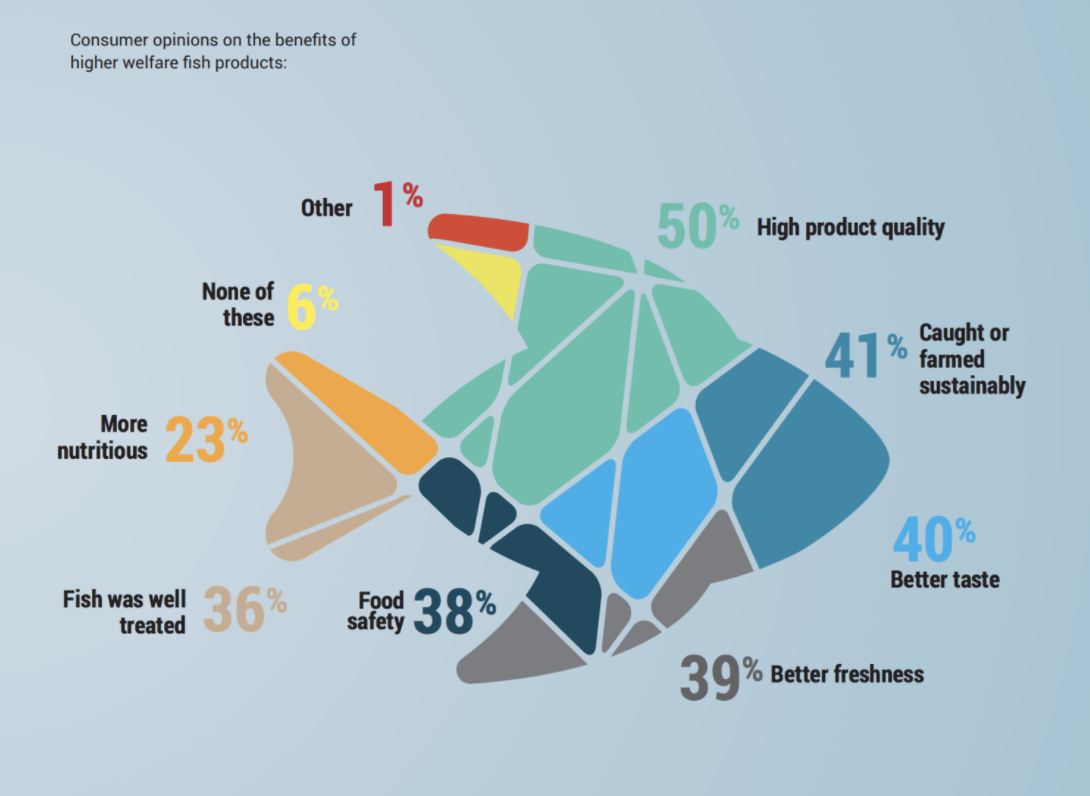
A new report, Catching Up, published by Eurogroup for Animals highlights the various hazards faced by wild-caught fish and proposes strategies to reduce unnecessary suffering. Importantly, it explains that although approximately one trillion fish are captured each year and scientific evidence shows that they are sentient beings, there is little public awareness about fish welfare globally compared with that for land animals.
Can You Fool a Fish?
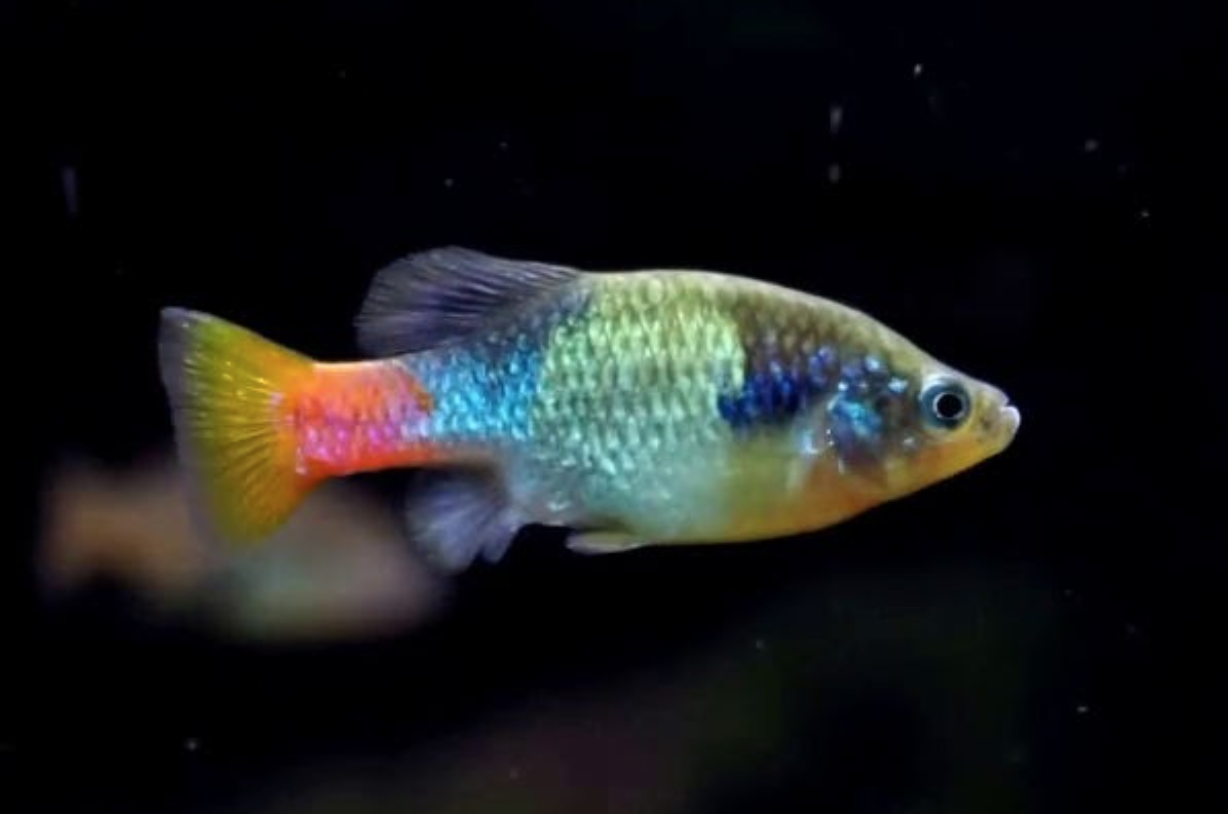
Researchers at the University of Trento in Italy conducted a study to find out if a particular species of fish, the redtail splitfin, saw the Ebbinghaus illusion in the same way that we do.
2021 Begins with a Splash
Aquatic animals are some of the most mistreated and misunderstood animals on earth. Until recently, virtually no attention was paid to the welfare of aquatic animals. ALI is working to change this, both in terms of public perceptions of fish sentience as well as industry standards for how fish are treated.
Disastrous Salmon Farming Project for Animal Welfare
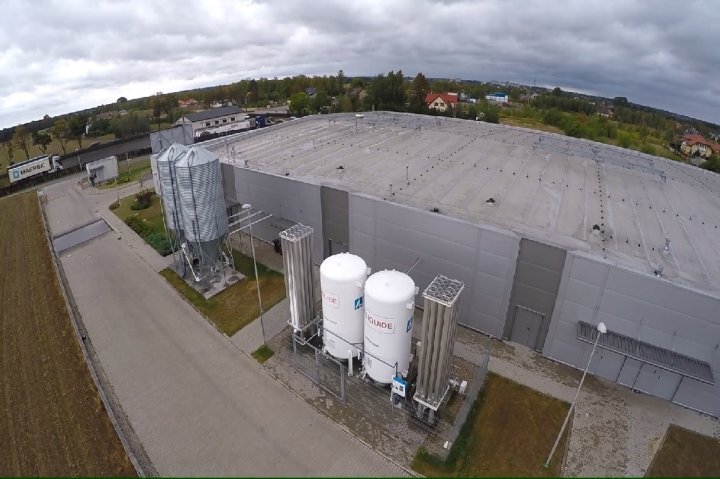
In 2024, nearly two million salmon will be produced each year on an intensive aquaculture farm in Pas-de-Calais. Accidents in such structures have already caused the death of several hundred thousand fish. Such breeding - and their corollary, an excessively high density of animals - raise important ethical questions.
2020 Review of Aquatic Animal Welfare from ALI
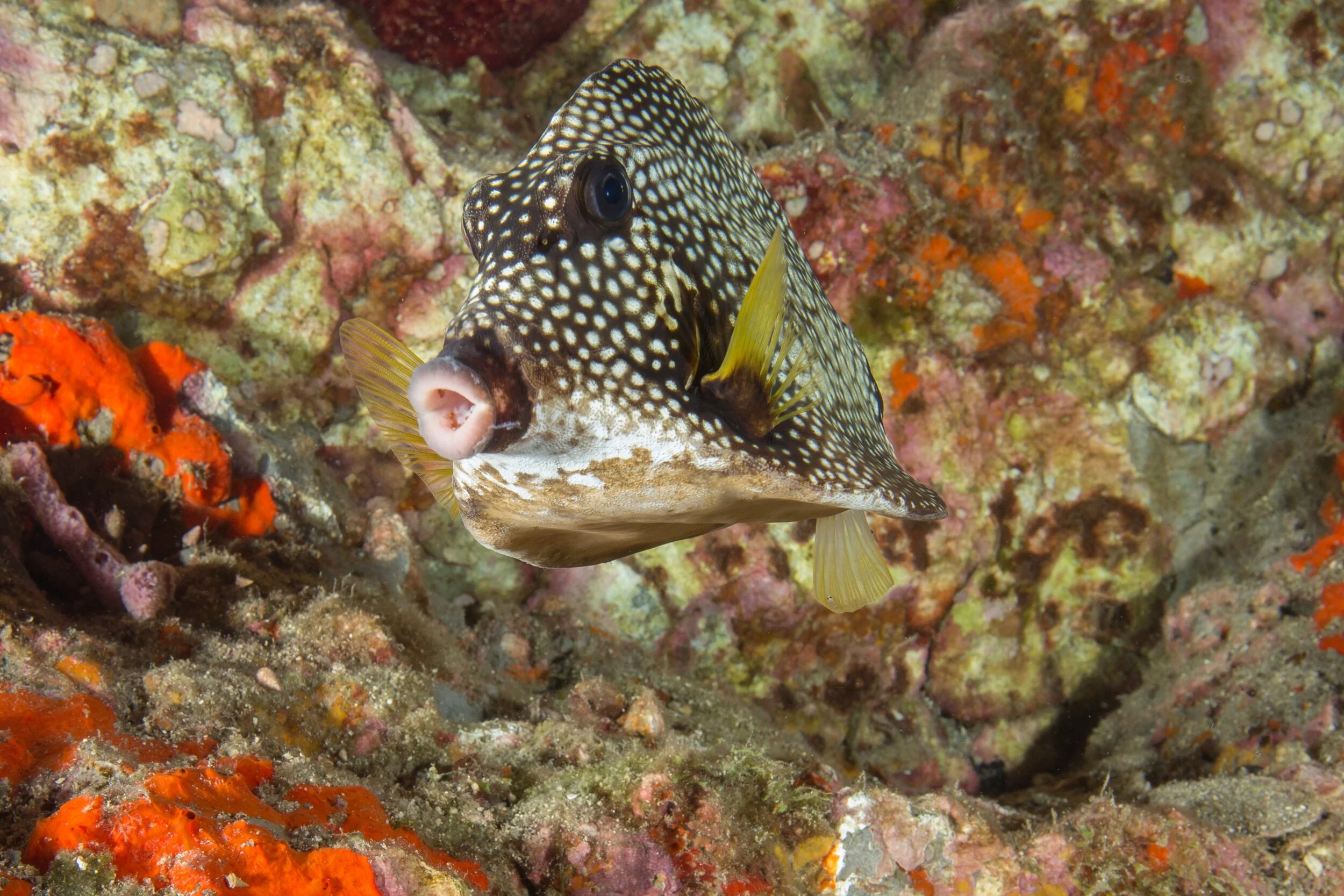
As the last blog post of 2020, we’d like to share our top stories for aquatic animal welfare from this year. In only a short few months, we have seen tremendous progress in this nascent movement, a testament to the foundational path that the Aquatic Life Institute (ALI) has been paving behind the scenes since its founding in mid-2019. Here are some highlights.

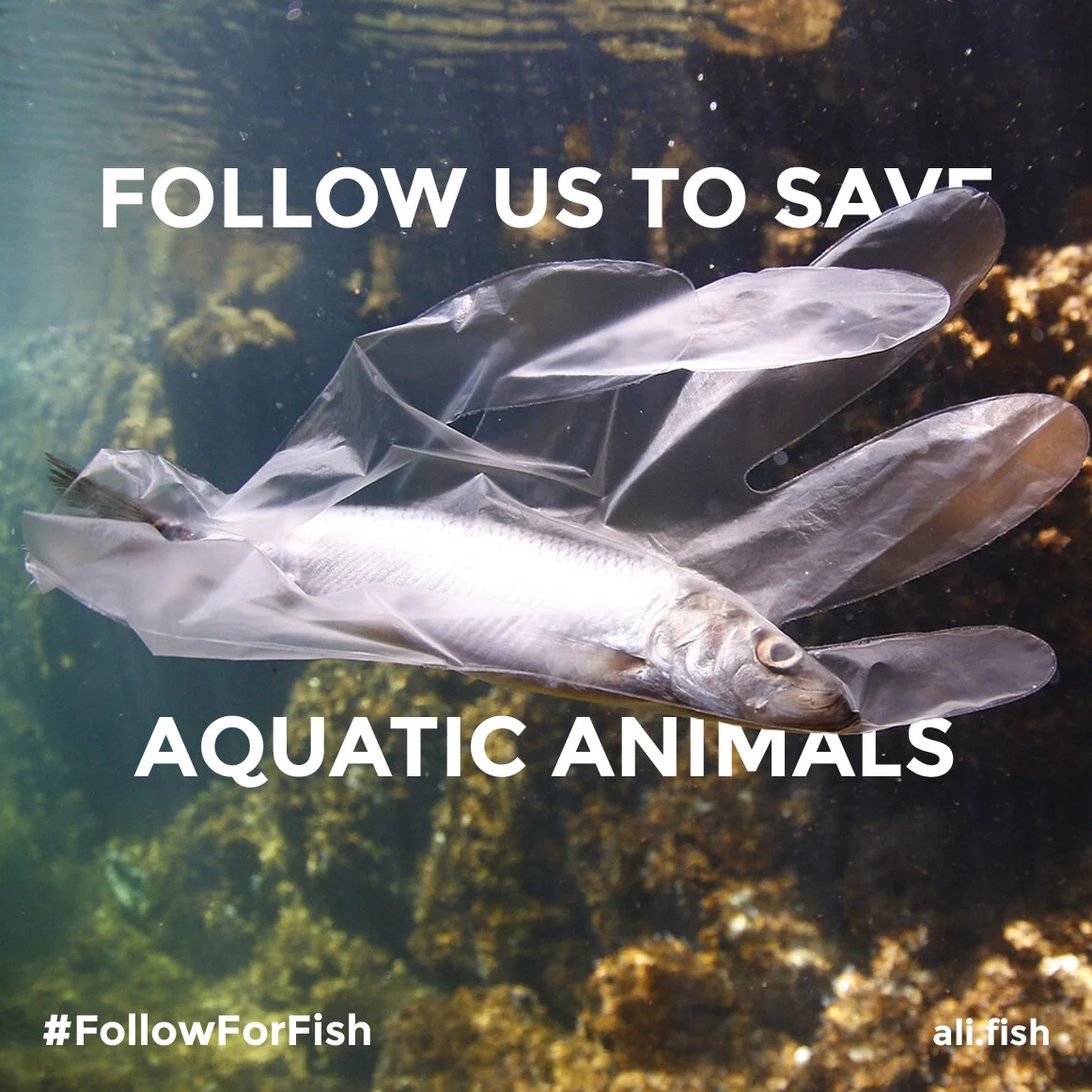
1.5 Billion Face Masks May Have Entered the Ocean in 2020
The report used a global production estimate of 52 billion masks being manufactured in 2020, a conservative loss rate of 3%, and the average weight of 3 to 4 grams for a single-use polypropylene surgical face mask to arrive at the estimate.
Krill Supplements for Cats and Dogs Threaten Food Supply for Seals and Penguins
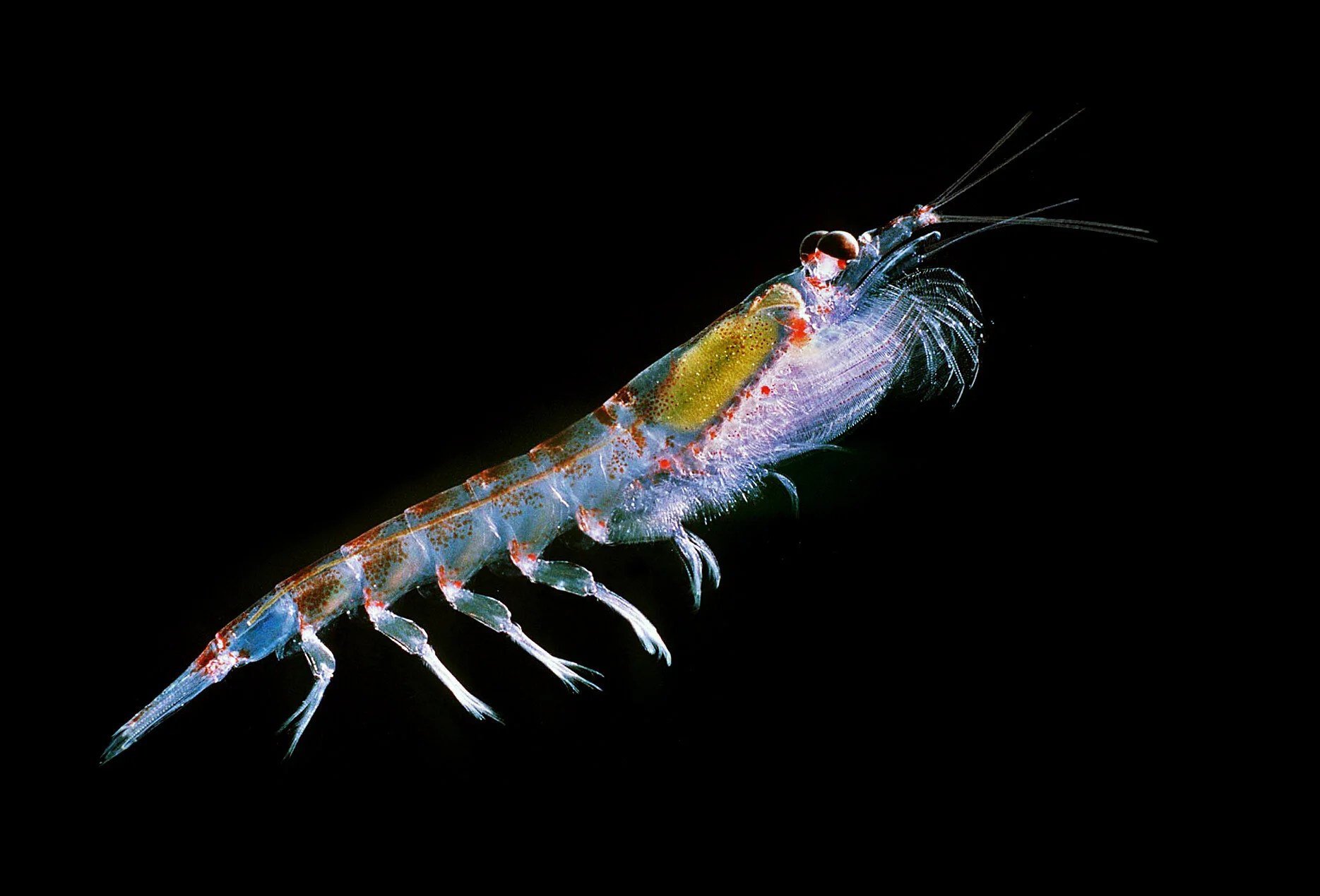
Fisheries in the region operate under a quota, but the system is not sufficiently responsive to annual changes in condition, such as increasingly warming temperatures, which can leave krill in short supply, Mr Kirby said.

Beautiful Aquatic Photographs from NPOTY 2020
Here are a few of the incredible photographs from this years Nature Photographer of the Year 2020 competition. The winners and runners-up were announced at the Nature Talks photo festival in the Netherlands.
Animal Welfare: a Crucial Issue in Fish Farming
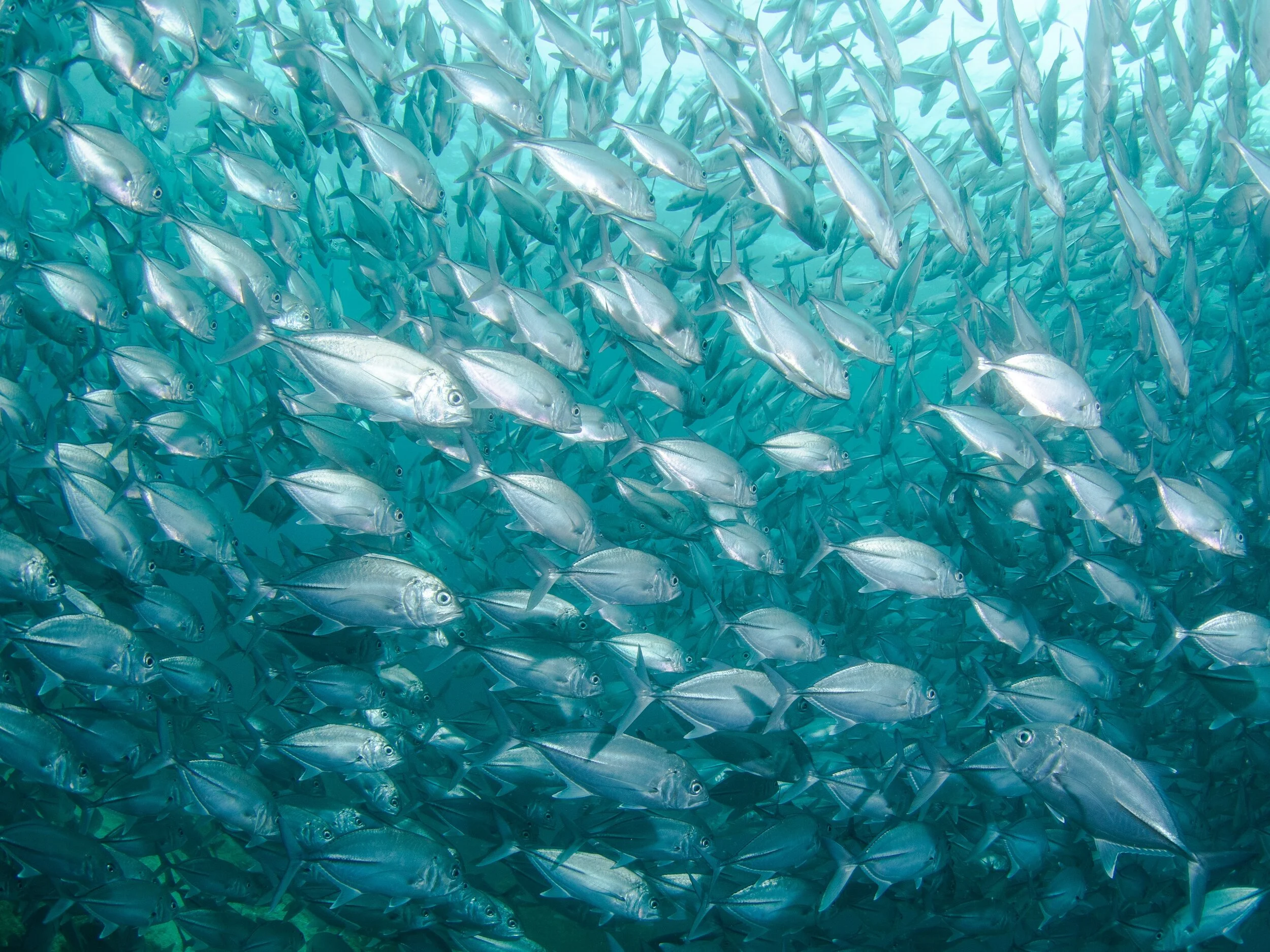
While this end of the year is crucial for the orientation of fish farming with the establishment of an operational program and a sector plan for the coming years, around twenty associations and around fifty personalities are pleading for better consideration of animal welfare and recall the challenges of fish farming in this area.
Policy Work in France
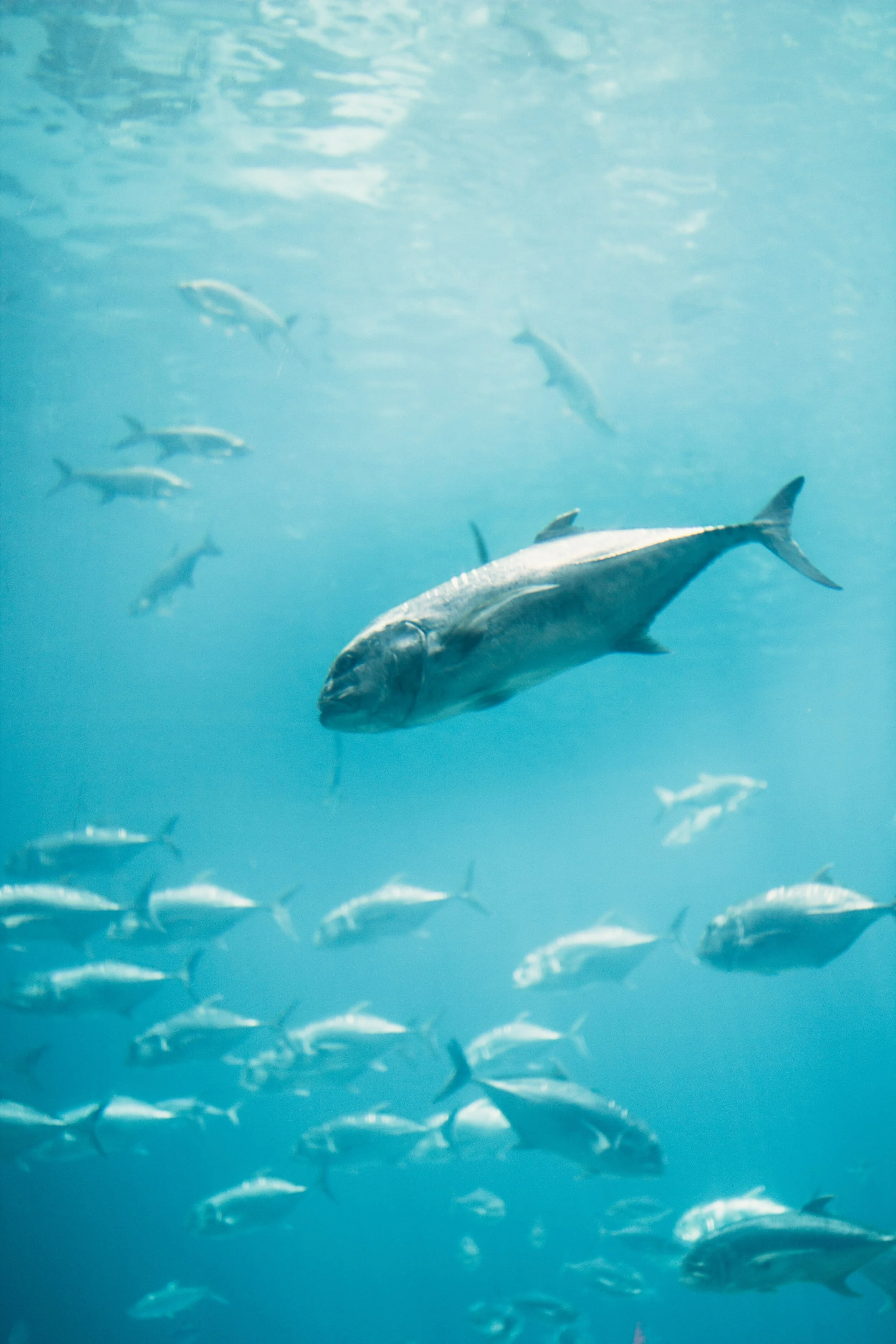
Scientific work seems to show that a stimulating environment has a positive effect on the well-being of the animals because it allows the expression of natural behaviours, cognitive development and seems to reduce stress.
Are Fishes as Forgetful as We Think?
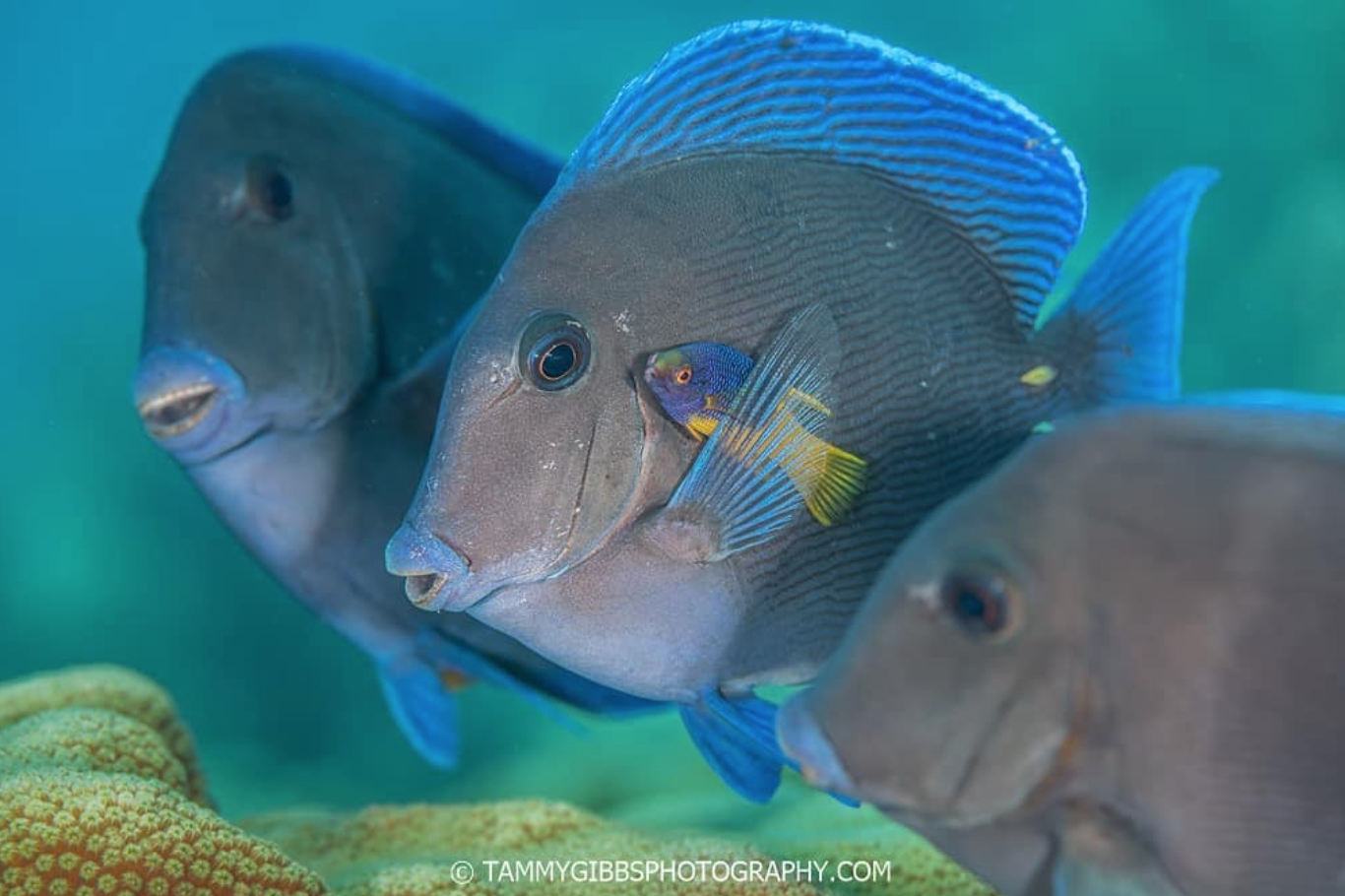
Studies have found this to be untrue, fishes who were taught specific tasks such as favouring certain objects or how to escape a trap remembered and could still complete the tasks months later.