
1.5 Billion Face Masks May Have Entered the Ocean in 2020
The report used a global production estimate of 52 billion masks being manufactured in 2020, a conservative loss rate of 3%, and the average weight of 3 to 4 grams for a single-use polypropylene surgical face mask to arrive at the estimate.
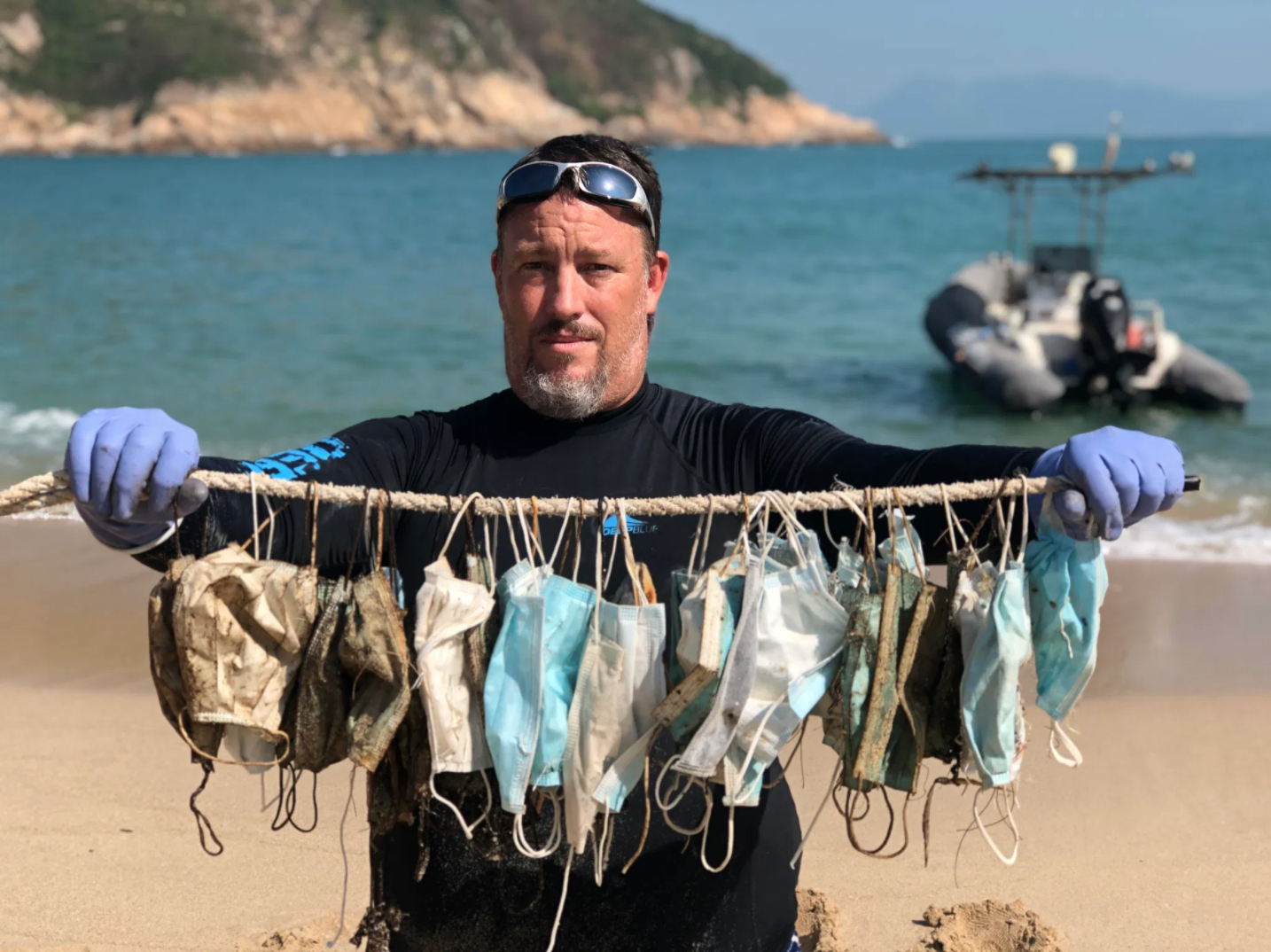
Gary Stokes, Directors of Operations of OceansAsia holding facemasks collected in the ocean. Photo: OceansAsia.
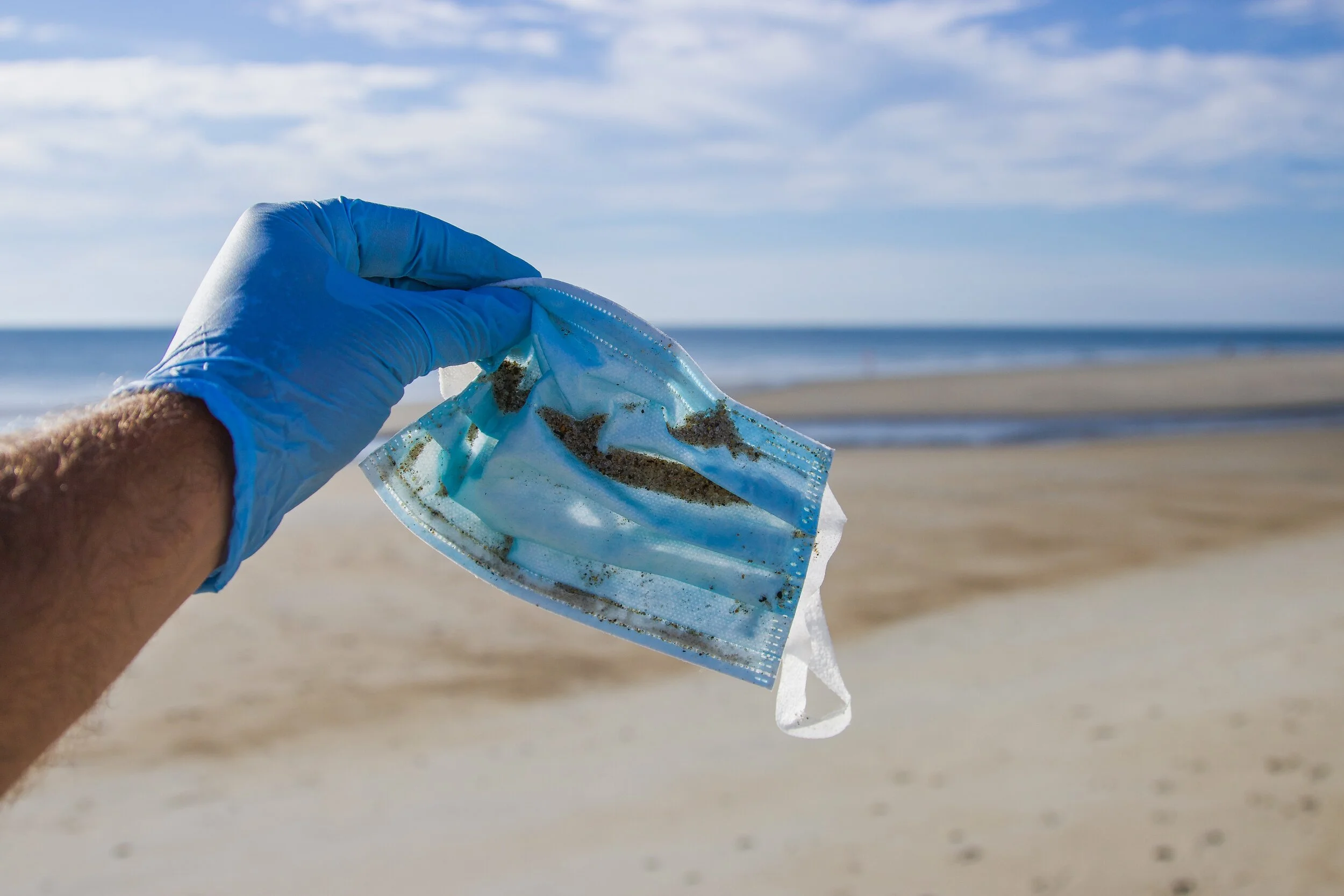
OceansAsia is an marine conservation organisation based in Hong Kong. They have published a new report; ‘Masks on the beach': the impact of covid-19 on marine plastic pollution,’ estimating that 1.56 billion facemasks ended up in the ocean during 2020 due the the coronavirus pandemic. According to this report, the masks could take as long as 450 years to break down so it is essential a solution is found to combat this issue. This report showed that over 4500 metric tonnes of marine plastic would enter the ocean.
“Plastic pollution kills an estimated 100,000 marine mammals and turtles, over a million seabirds, and even greater numbers of fish, invertebrates and other animals each year,” Stokes said. “It also negatively impacts fisheries and the tourism industry, and costs the global economy an estimated US$13 billion (over HK$100 billion) per year.”
It is clear that plastic entering the ocean is a big threat to aquatic animals and better solutions are needed to combat this global issue.
“Meanwhile, a number of measures designed to reduce plastic consumption, like single-use plastic bag bans, have been delayed, paused, or rolled back.”
“It is critical that we work to reduce our use of single-use plastics, and we all have a role to play,” said Teale Phelps Bondaroff, the director of research at OceansAsia.
2020 has been a challenging year in so many ways and moving into 2021 hopefully we can find sustainable solutions for issues that impact aquatic animals.