
— About UsCREATING A change IN THE WATER
Our Mission
Aquatic Life Institute (ALI) is committed to creating a more just and sustainable food system by championing the recognition, protection, and prioritization of aquatic animal welfare; anchored in science, integrated across supply chains, and entrenched in global wellbeing.
Our Vision
We envision a global food system that protects the planet and upholds the welfare of all animals, including those underwater.
Sustainability, human health, and animal welfare can no longer be disparate goals. We are dedicated to driving institutional reform so that each of these elements are equally recognized as vital to build a truly viable future.
A truly sustainable future must prioritize aquatic animal welfare

The Problem We Solve
Aquatic animals’ lives, conditions in which they are farmed and caught, and sentience are routinely overlooked in the decisions that shape our oceans, farms, and markets. Even as industrial aquaculture continues to expand and wild-capture fisheries maintain their operations worldwide, adequate aquatic animal welfare protections and considerations remain largely absent from laws, policies, and practices.
No species or ecosystem exists in a vacuum. The way that we treat aquatic animals will have ripple effects and, if we treat them poorly, there could be negative repercussions for humans, ranging from environmental destruction to poor food quality to health hazards. A food system that ignores animal welfare cannot be called “sustainable,” as these issues are inextricably tied to each other.
Aquatic Life Institute exists to correct this omission. We embed welfare into the frameworks that govern how aquatic animals are being treated worldwide, from standards and corporate policies to international dialogues and traceability norms. Grounded in compassion, accountability, and science, our approach advances a definition of sustainability that recognizes, protects, and prioritizes the trillions of aquatic lives it has long overlooked.
Why aquatic animals?
Aquatic animals comprise the vast majority of animals used in the global food system. But they are out of sight: their suffering is quietly hidden below the surface of our seas, lakes, rivers, and tanks, making it more difficult for many to empathize with them, or even to gain insight into their lives and understand their emotional capacity. However, research proves that aquatic animals feel pain, form social bonds, and have expansive cognitive abilities. Ignoring their welfare is no longer an option, it is a moral and ethical imperative.
As trillions of these sentient, intelligent animals remain in our global food system, Aquatic Life Institute is dedicated to improving the rules and policies that govern their lives below water.
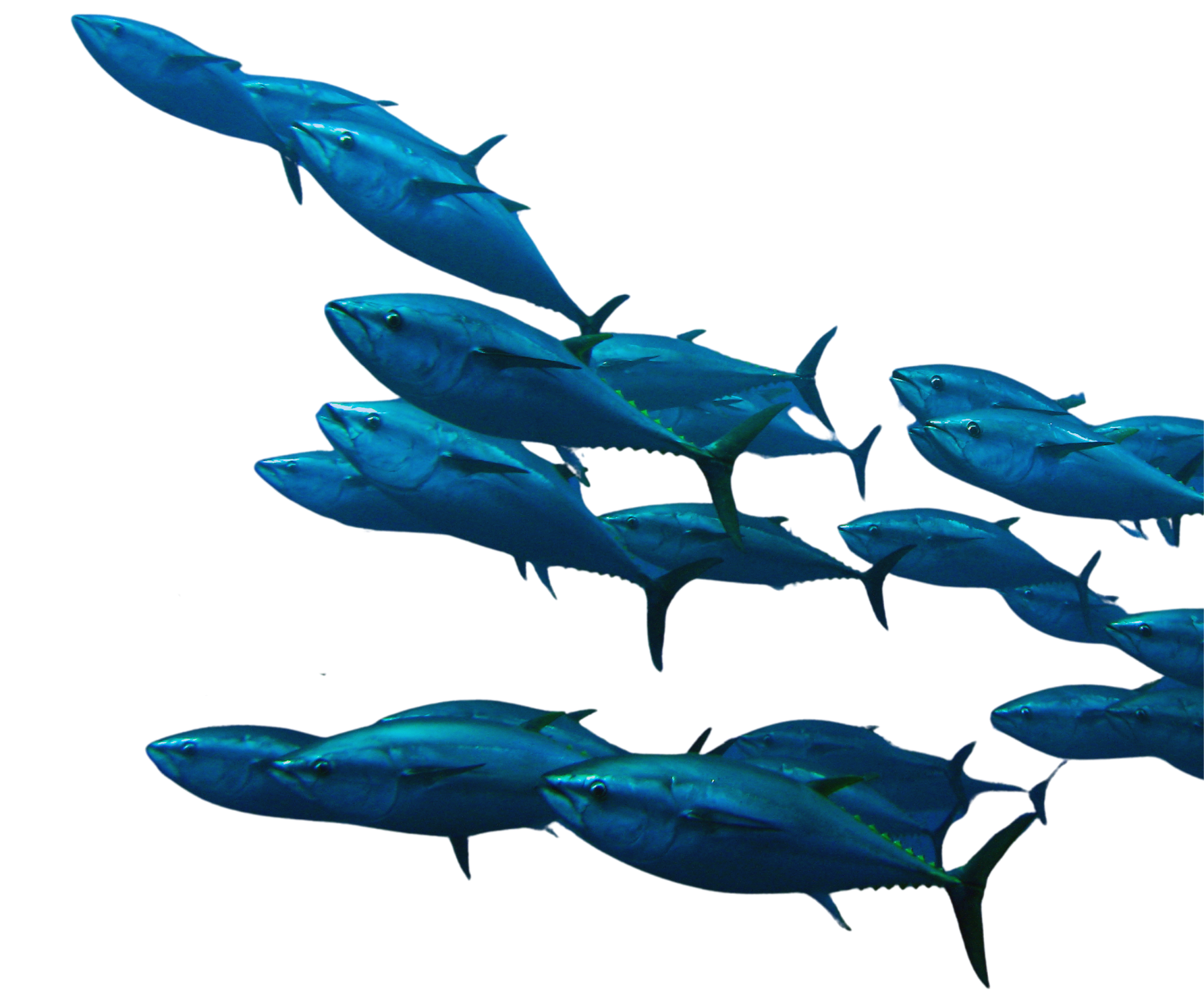
2.4 billion
Total estimated number of fishes covered by major aquaculture certification schemes in the Benchmark
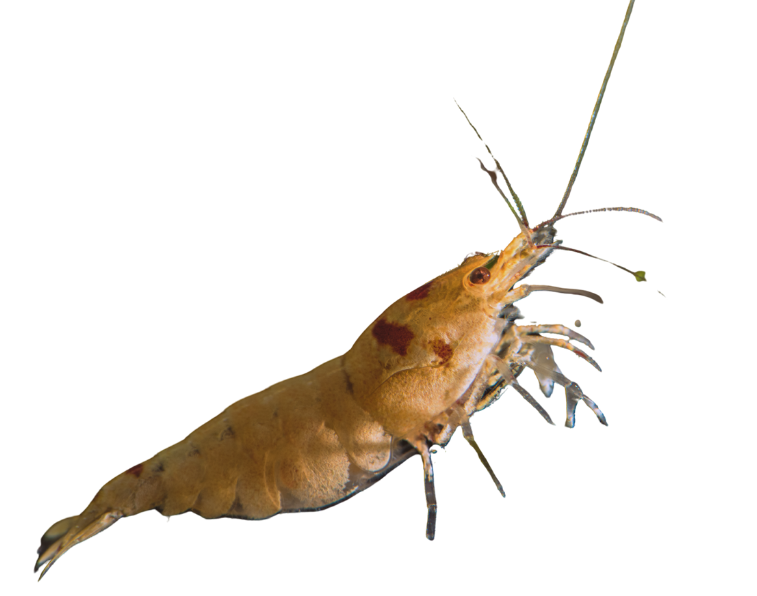
Total estimated number of shrimps covered by major aquaculture certification schemes in the Benchmark
64.8 billion
10 million
Total number of octopuses potentially spared if all currently proposed U.S. state and federal legislation passes*
*Estimates based on the output of a single commercial facility (e.g., Nueva Pescanova: 3,000tonnes/year ≈ 1 million animals)

Our Story
Aquatic Life Institute was founded in 2019 to transform how aquatic animals are treated within global food systems. We set out with a mission to drive systemic change and, ever since, have focused on leveraging upstream influence on standards and policies that will have ripple effects for billions of animals.
In 2020, we launched the Aquatic Animal Alliance (AAA), a collaborative initiative designed to unite global stakeholders in amplifying efforts to protect aquatic animals. In 2024, we provided technical expertise and contributed to the first successful legislative bans on octopus farming in Washington and California, and continue to support the introduction of similar legislations worldwide. In the same year, we successfully worked with Tesco and Hilton Foods, two major food companies, to produce comprehensive crustacean welfare policies, which have gone on to influence and inform our ongoing corporate collaborations.
In 2025, after five years of direct engagement and feedback through our annual Benchmark, Aquaculture Stewardship Council published its new Farm Standard, which eliminated the controversial stress test and suggests our Stunning and Slaughter: Best Practices for Animal Welfare in Aquaculture report as a useful resource in their Interpretation Manual. Another of our flagship reports, Marine Capture Fisheries: Innovative Practices for Aquatic Animal Welfare, was selected in 2025 for UNESCO-IOC’s Blue Thread recognition, which honors projects that advance the goals of the Venice Declaration by putting ocean literacy into action.
Our work is grounded in sentientist ethics, informed by effective altruism principles, designed for real-world impacts, and driven by evidence-based strategies and collaboration. This approach has earned Aquatic Life Institute widespread recognition, including a 2024 Top Charity recommendation from Animal Charity Evaluators (ACE).

Our Key Networks and Partners
-
Global Dialogue on Seafood Traceability (GDST)
-
World Federation for Animals (WFA)
-
Aquaculture Advisory Council (AAC)
-
Long Distance Advisory Council (LDAC)
-
UNESCO-IOC Ocean Literacy - The Blue Thread Initiative
-
UN Ocean Decade (link endorsed action)
-
EU Blue Economy Observatory
-
Conservation Alliance for Seafood Solutions (CASS)
-
Eurogroup for Animals
FAQs
-
There are many ways you can make a difference in the lives of aquatic animals!
Corporations: Check out our corporate resources page and get in touch with our Head of Corporate Engagement to set up a consultation.
Policymakers: Explore our policy resources and get in touch with someone from our policy team.
NGOs: Check out the Aquatic Animal Alliance and get in touch with our team to join in on the global efforts!
Individuals: You can donate to directly support Aquatic Life Institute’s mission to improve the lives of trillions of aquatic animals here. By donating to Aquatic Life Institute you can feel confident that each dollar has the greatest expected impact for aquatic animals, and that you are supporting an organization committed to accountability and impact.
Follow our social media accounts to find out about our latest initiatives, and sign up for our newsletter to receive monthly updates about the progress we are making for aquatic animals worldwide.
-
Animal welfare refers to the physical and mental state of an animal in relation to the conditions in which they live. Because our work encompasses thousands of species of aquatic animals who have vastly different welfare needs, it is necessary to first determine what constitutes “good welfare” for a particular species using science-based measurements and assessment protocols. The most widely accepted paradigm is The Five Domains Model, outlined as follows:
Nutrition - the quality, quantity, and method of delivery of the water and food available to animals
Physical Environment - the affective impacts of physical, sensory, and atmospheric conditions to which animals are exposed
Health - the physiological and affective impacts of injury, disease, and varying levels of physical fitness
Behavioural Interactions - behavioural evidence of hindered and/or enhanced expression of agency when animals interact with (1) their environment, (2) other non-human animals, and (3) human beings
Mental State - psychological and affective consequences of domains 1-4
Read more about The Five Domains Model in our Key Animal Welfare Recommendations for Aquaculture report.
-
Navigating welfare policies and their enforcement within the seafood sector is very complex. Aquatic Life Institute launched its certification program with an aim to make this easier by benchmarking the welfare policies within each seafood certification agency and ratings scheme.
Our certification program’s main objective is to improve and to hold seafood certifier standards accountable: seafood products labeled as “sustainable” or “responsible” must include the most robust animal welfare considerations. Healthy aquatic animals in both physical and psychological terms translates to less stress and disease, less antibiotic use, and less deaths before they even reach the market.
We invite you to explore the latest Benchmark here.
Ultimately, we advocate for a shift away from indiscriminate consumption of seafood to truly sustainable and ethical blue foods - or to fully eliminate the consumption of aquatic animal products whenever possible.
-
Aquaculture involves breeding and farming aquatic species in controlled environments. Fisheries (capture fisheries) involve harvesting wild, natural populations. Our efforts, within all of our program areas, cover both aquaculture and fisheries. From our policy reform work to the certification program, our experts work within supply chains, draft feedbacks, and provide technical support for policies that will improve the welfare of aquatic species whether they are farmed or fished.
-
We activate three spheres of influence, public & civil society, guiding bodies & lawmakers, and market actors, so that culture, rules, and purchasing power move in tandem. Our approach ensures the foundations (science, coalitions, data) support the apex (lived outcomes for animals).
Public & Civil Society: We elevate aquatic welfare in public discourse and allied movements, equipping advocates and consumers with credible evidence and stories.
Market Actors: We embed welfare in procurement and certification, where expectations become purchasing power.
Governing Bodies & Lawmakers: We insert welfare into international, national, and state/regional policy texts, technical guidance, and consultation processes, creating legal hooks and regulatory pathways.
We take an “Upstream Influence” approach to reform that addresses root causes; shifting policies, systems, and norms so problems are prevented rather than merely managed.
-
As a general introduction:
To share with corporations:
To share with your local government:
-
Aquatic Life Institute utilizes 4 fundamental approaches to enact formative change within the global seafood system. Through our primary streams of activity across the supply chain, advocacy pursuits are identified and executed according to one or more of the following principles:
Reduce the number of animals in, or remove animals from, the seafood system and its supply chain.
Refine the conditions in which animals are currently kept or captured in the seafood system and its supply chain.
Replace animal products with sustainable plant-based or cell-based alternatives to the extent possible in the seafood system and its supply chain.
Reject the introduction of additional animals into the seafood system and its supply chain.