
Aquatic Life Institute blog
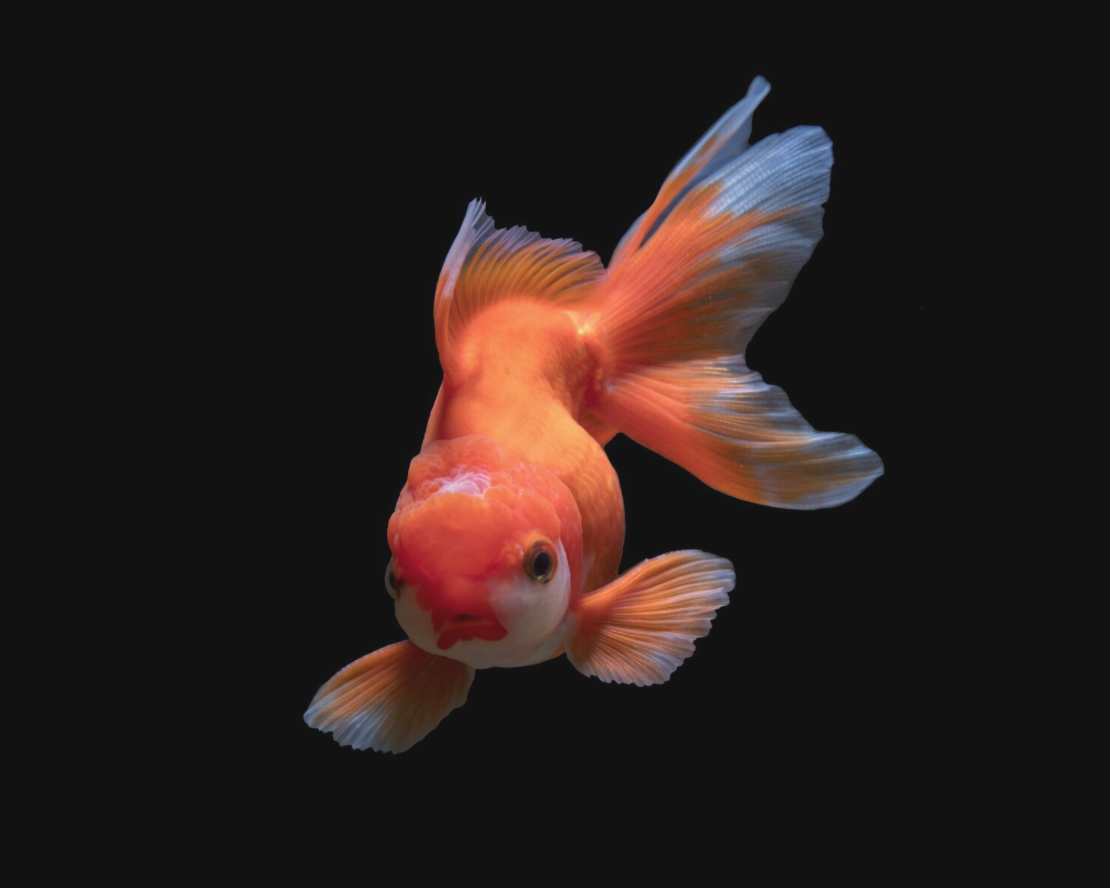
Fish Welfare over the Holidays
As we approach the holidays, I encourage you to help spread the word to your family and friends that fish are sentient beings and deserve welfare considerations just like terrestrial animals.
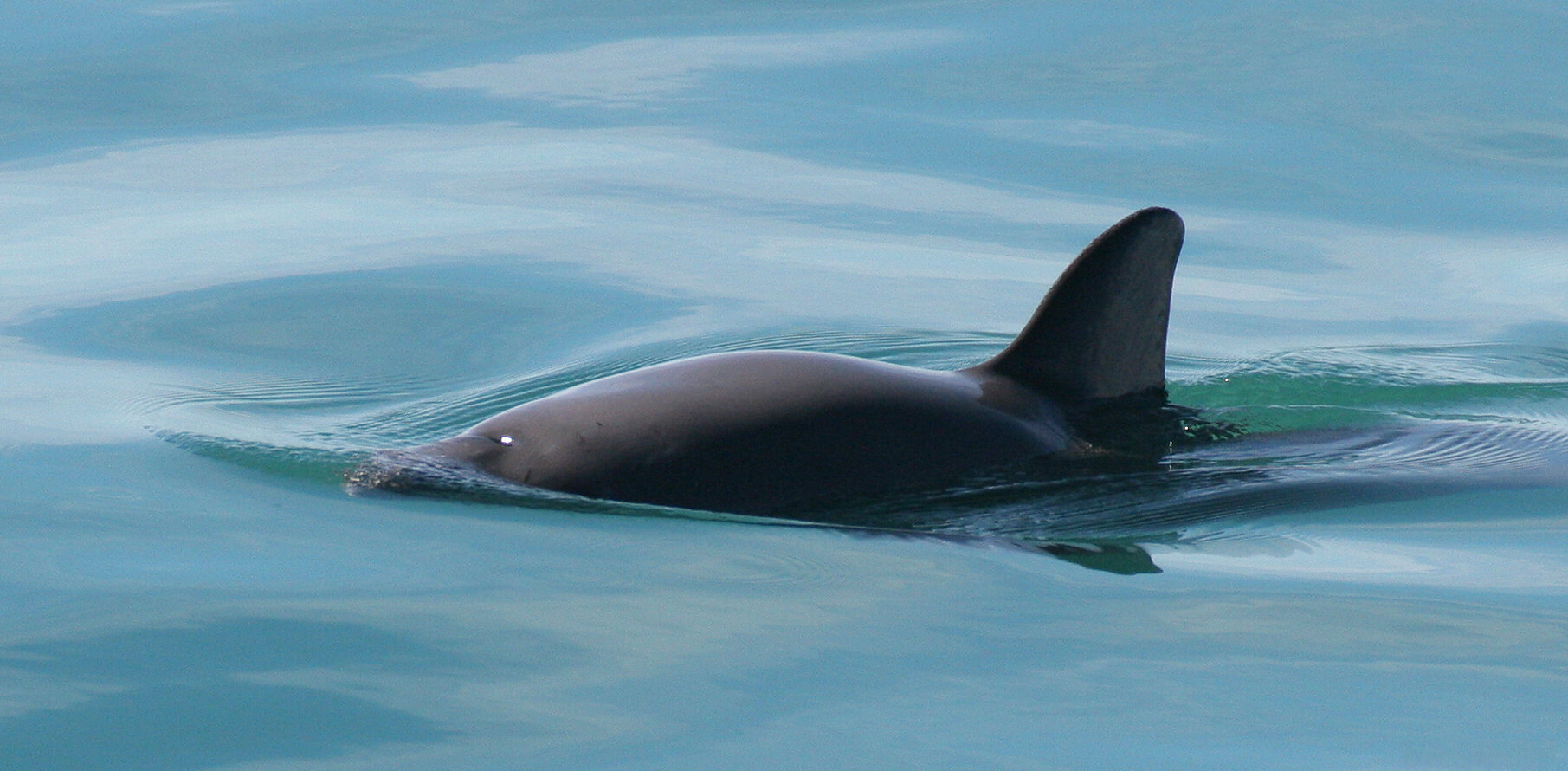
World’s First Hackathon to Save the Vaquita!
The Conservation Project International launches Vaquita Hacks, the first international hackathon designed to save the vaquita from extinction.
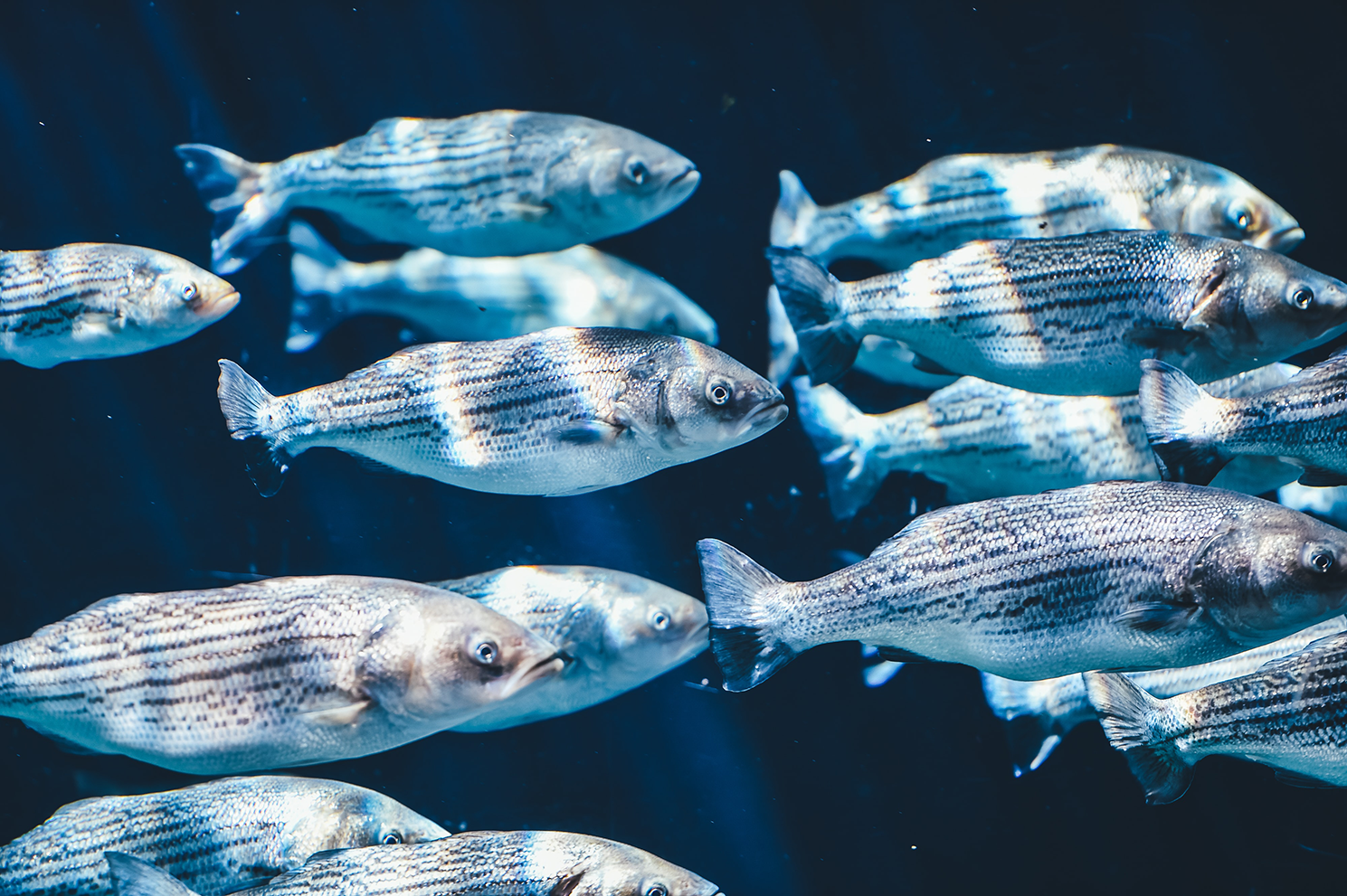
Governments Pledge to End Overfishing!
The leaders of the 14 countries set out a series of commitments on Wednesday that mark the world’s biggest ocean sustainability initiative, in the absence of a fully fledged UN treaty on marine life.

Announcing the Aquatic Animal Alliance!
We believe collaborative work as a coalition has the potential to be much more effective and impactful than multiple individual efforts by various animal protection organizations. We fear that if multiple organizations ask certifiers, labeling regimes and producers for many different standards, the effect may be that the lowest ask is what gets enshrined in the standards.
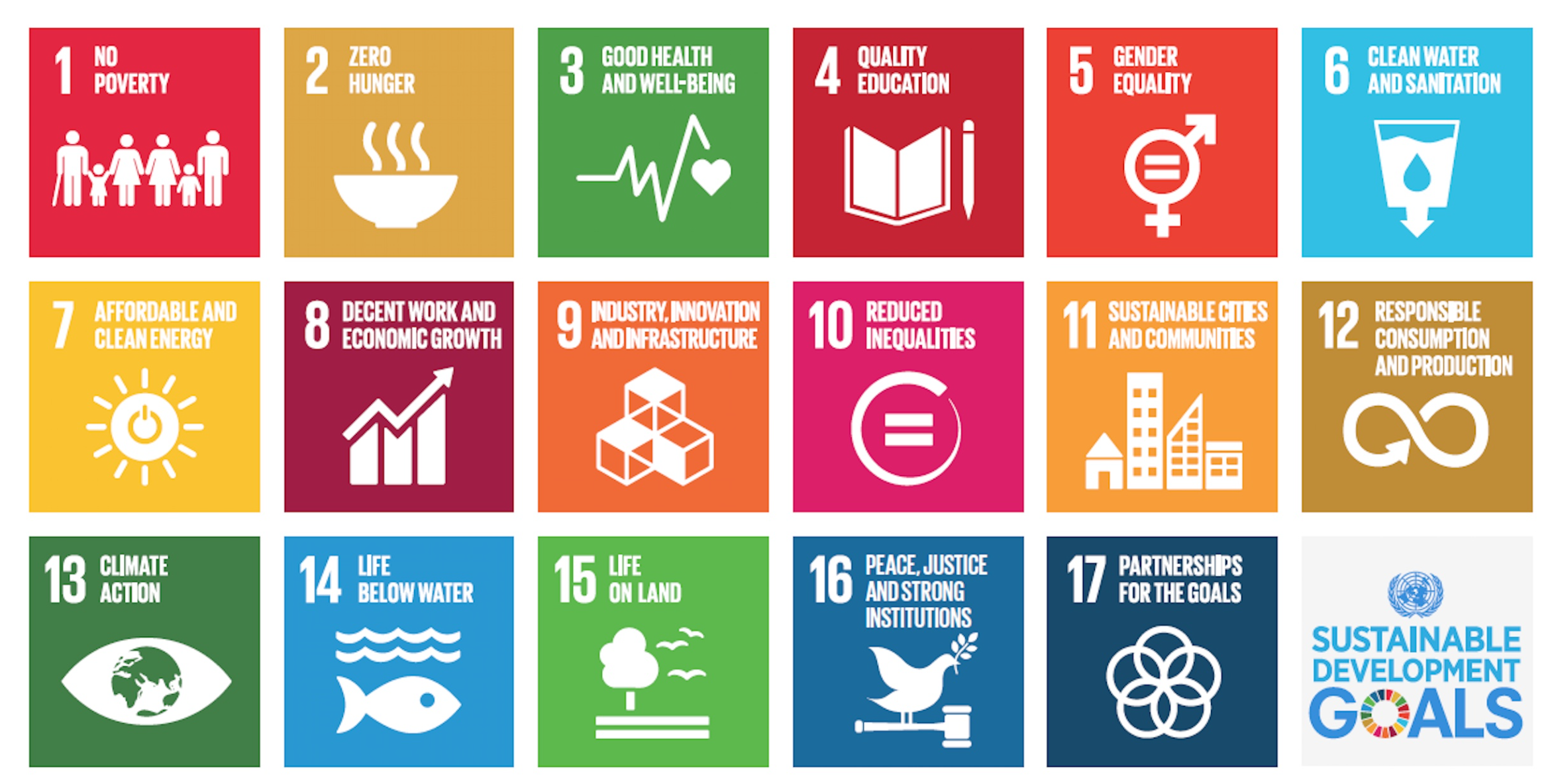
SDG 14 Life Below Water
Conserve and sustainably use the oceans, seas and marine resources for sustainable development.

Ending Harmful Fishing Subsidies
More than $22 billion of harmful 'capacity building' fishing subsidies contribute to overfishing, and lead to the loss of livelihoods and income for coastal communities. They have also been linked to Illegal, unregulated, and unreported (IUU) fishing activity.
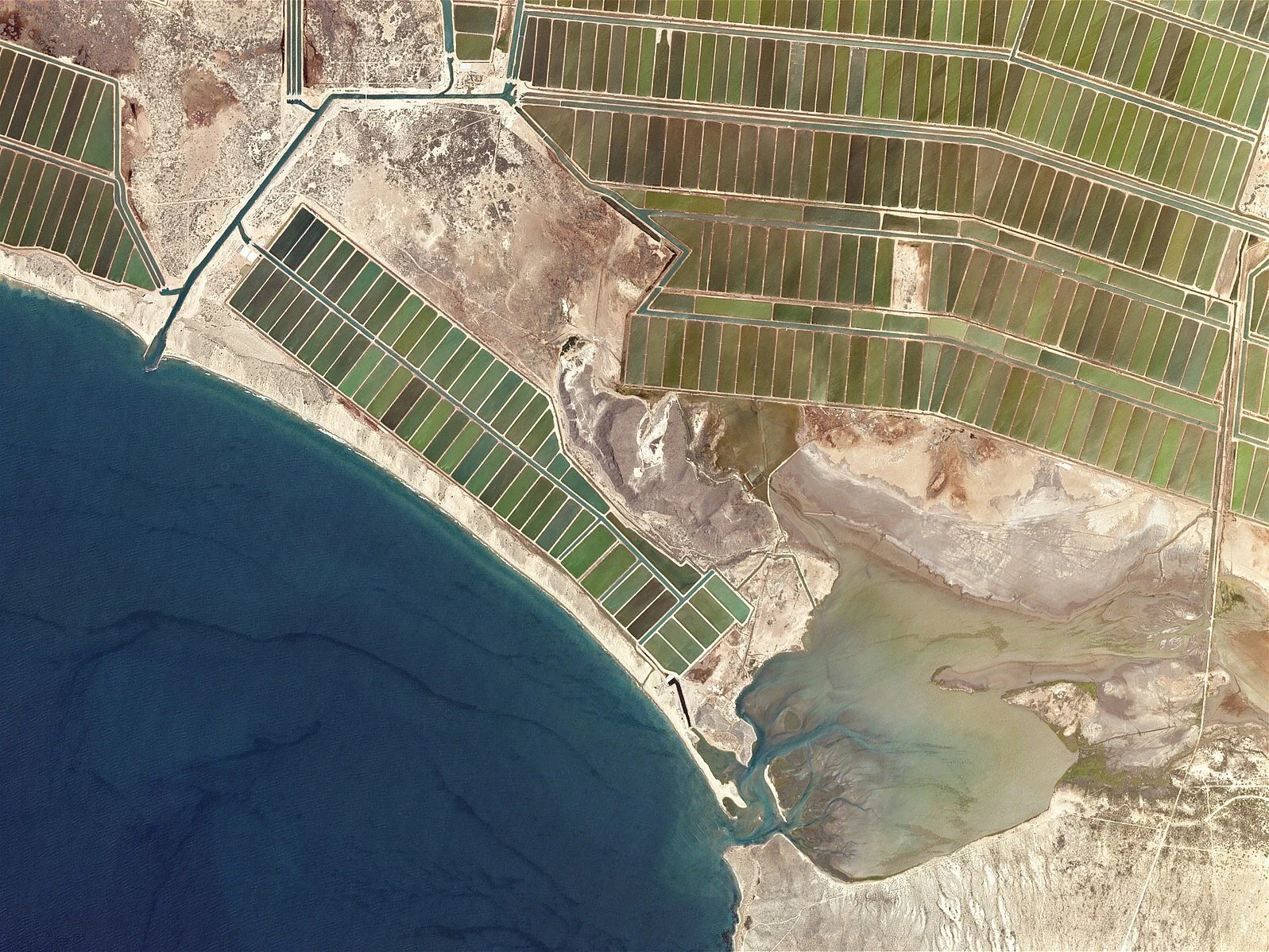
Penaeid biosecurity
COVID-19 is not the only pandemic in the world today. At present there are dozens of active panzootics — animal pandemics — running rampant in farms around the world. Nowhere is this more prevalent than in farmed aquatic animal populations, who are not provided with the biosecurity measures deemed essential for preventing the emergence of novel diseases in other farming systems.
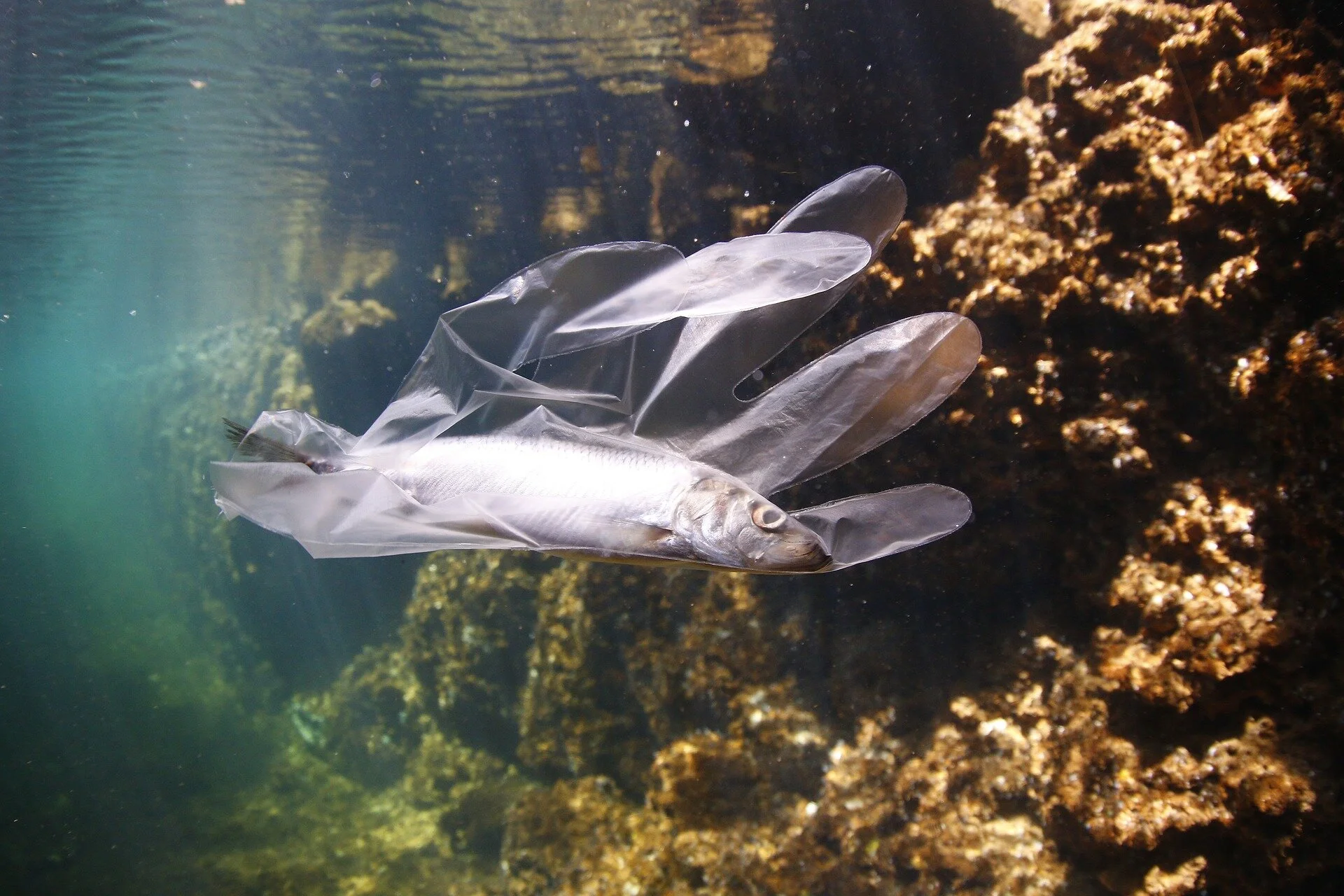
Plastic in the Ocean
At the rate we are moving, by 2050 there will be more plastic in the ocean than fish. We need to continue to educate ourselves and become more aware of the use and disposal of plastic.
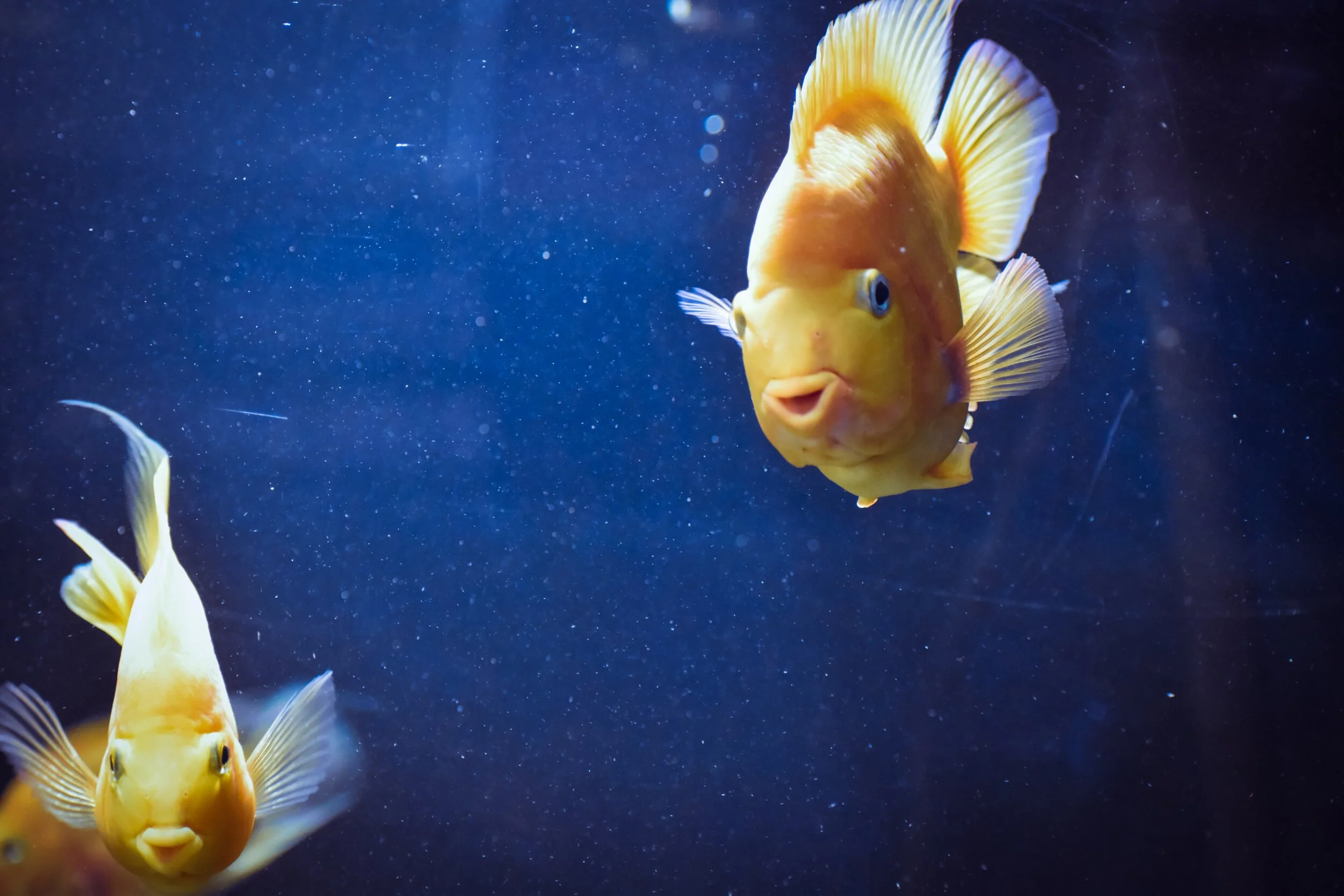
Defining “Welfare” for Aquatic Animals
Every year, approximately two to three *trillion* aquatic animals are killed in the wild and 100 billion are farmed. Yet, at a global scale, there is a major gap in aquatic animal welfare considerations because the concept of what constitutes “humane fish” or “high welfare seafood product” remains a blank canvas. The Aquatic Life Institute is leading the effort to change this.
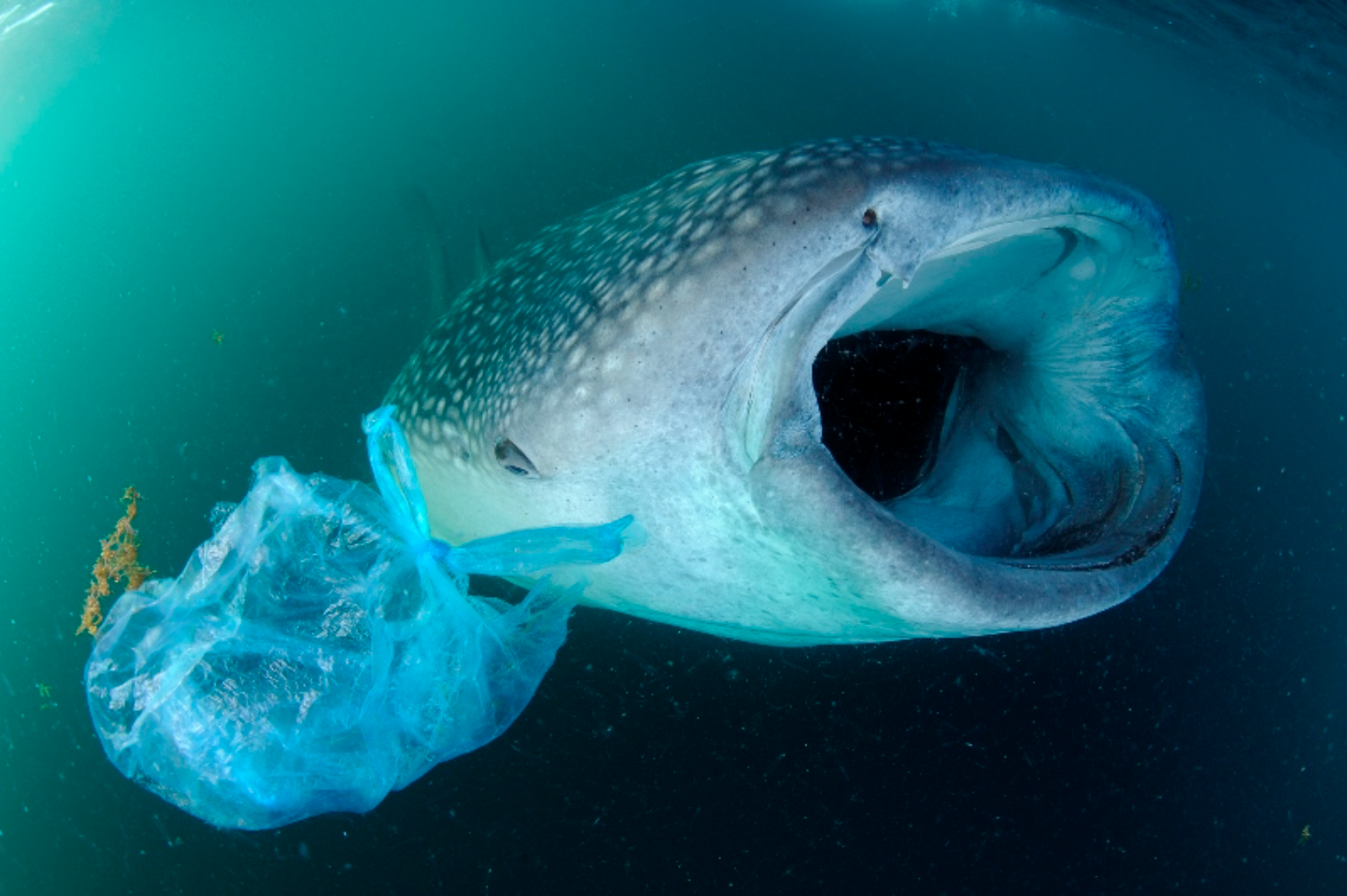
5 incredible underwater photographers
There’s so many inspiring photographers documenting the beauty and plight of the ocean. We decided to make a list of some favorites that are focusing on conservation and education.

2020 Election: Aquatic Animals and the Seafood Industry
What would the election of Joe Biden or reelection of Donald Trump mean for aquatic animals and industry over the next four years?
Introduction to ALI
We support research to compare potential welfare interventions and then advocate for the most promising initiatives’ implementation, with the aim of positively impacting the lives of aquatic animals.
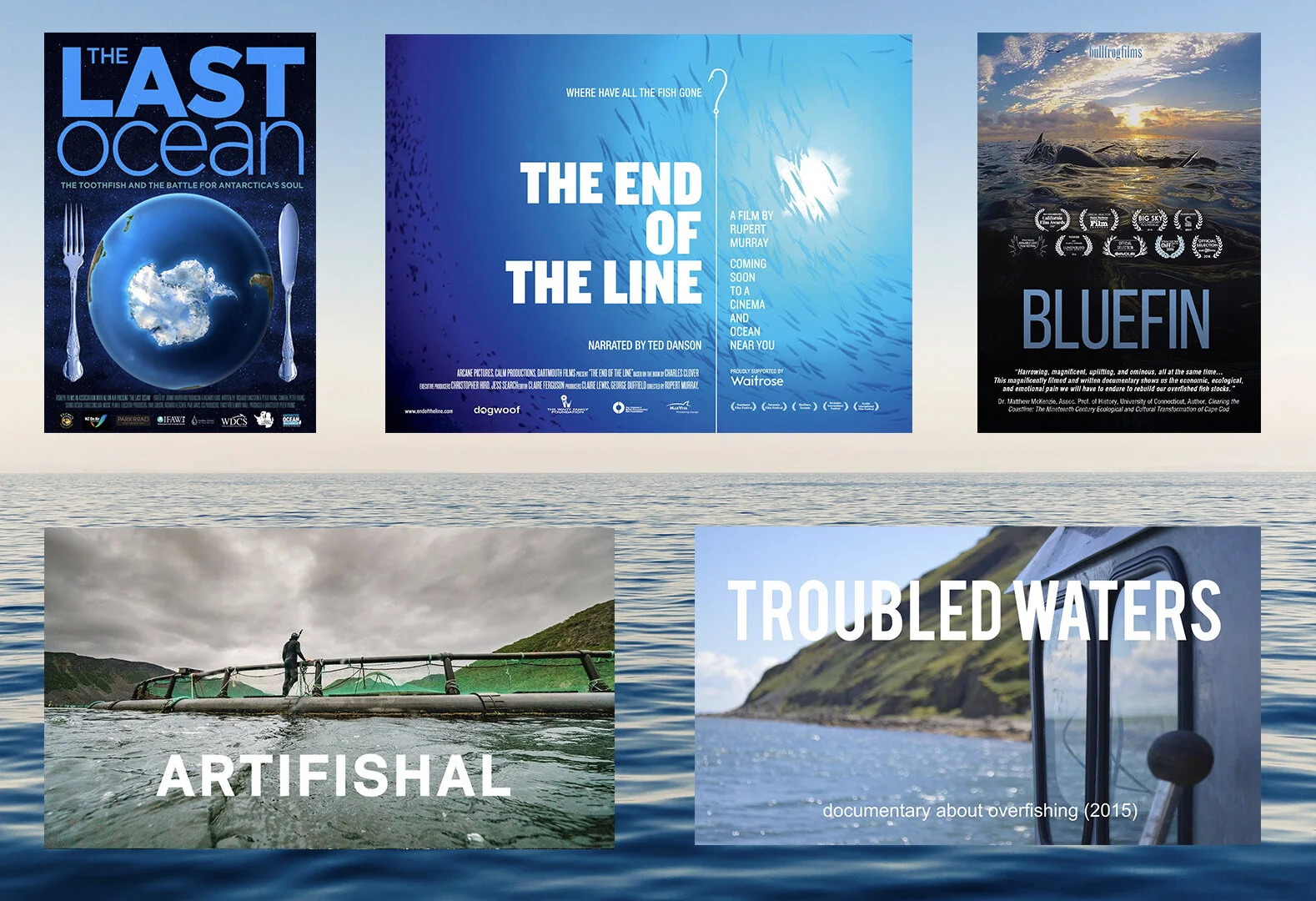
5 fish documentaries to watch
These films offer an insight into the reality of the oceans and the fish that live there focusing on various ways we can support marine animals.

What is Aquaculture?
Aquaculture is the farming of aquatic animals, plants, and other organisms through cultivating freshwater and saltwater. The other main alternative is commercial fishing which involves the capture of animals from the wild.
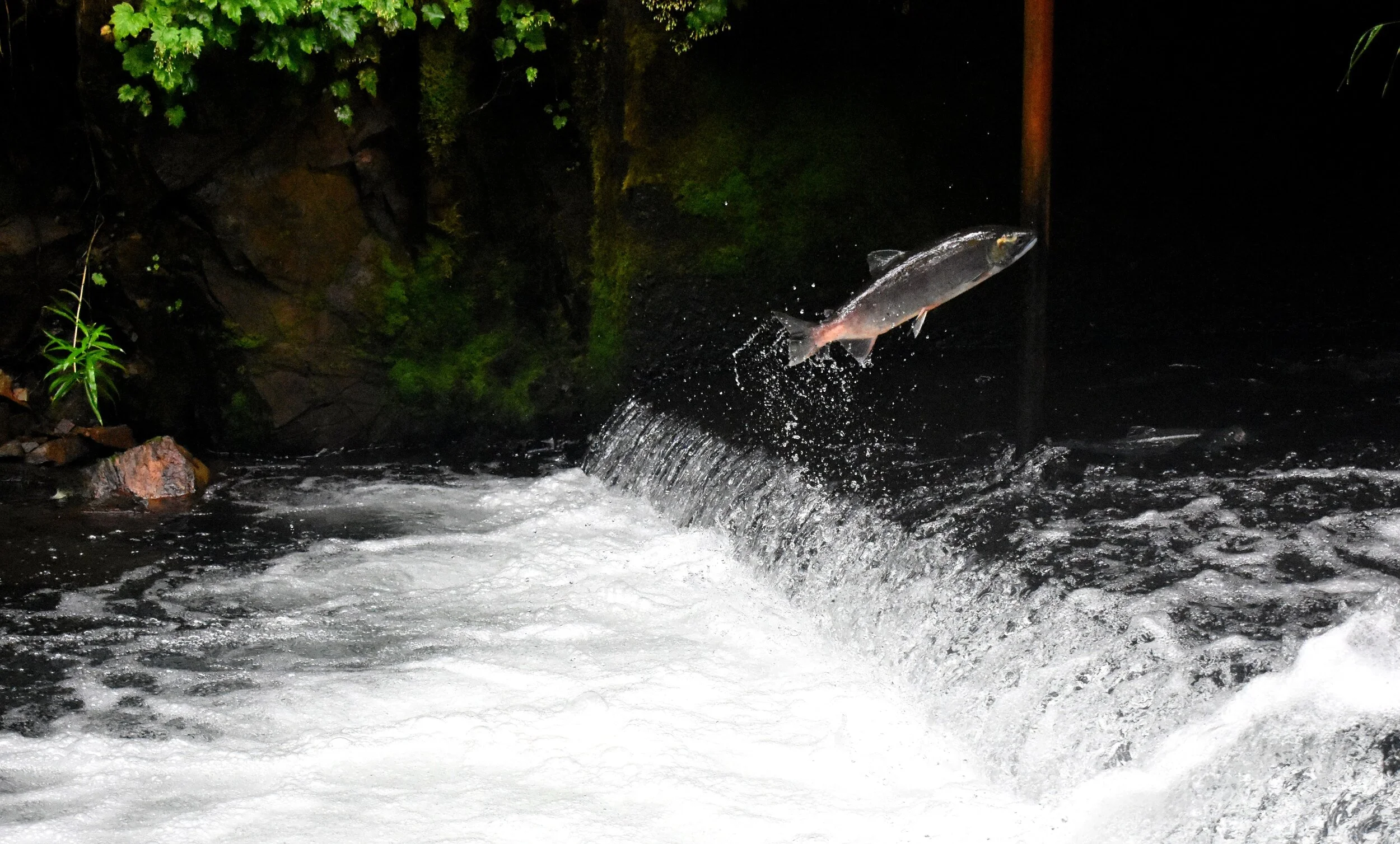
World Salmon Day
The 8th of October marked the fifth annual 'World Salmon Day'. This holiday was proposed by the food brand 'Chicken of the Sea' in 2015 to highlight the dietary benefits of the popular fish, in the hope that it would lead to "a long-term increase in [the public's] heart and nutritional health.”

Aquaculture-fishing with Selene Magnolia
The neglect is probably what shook me the most from this experience. I learned that such a thing as fish welfare simply does not exist, and that all regulations are blurry.
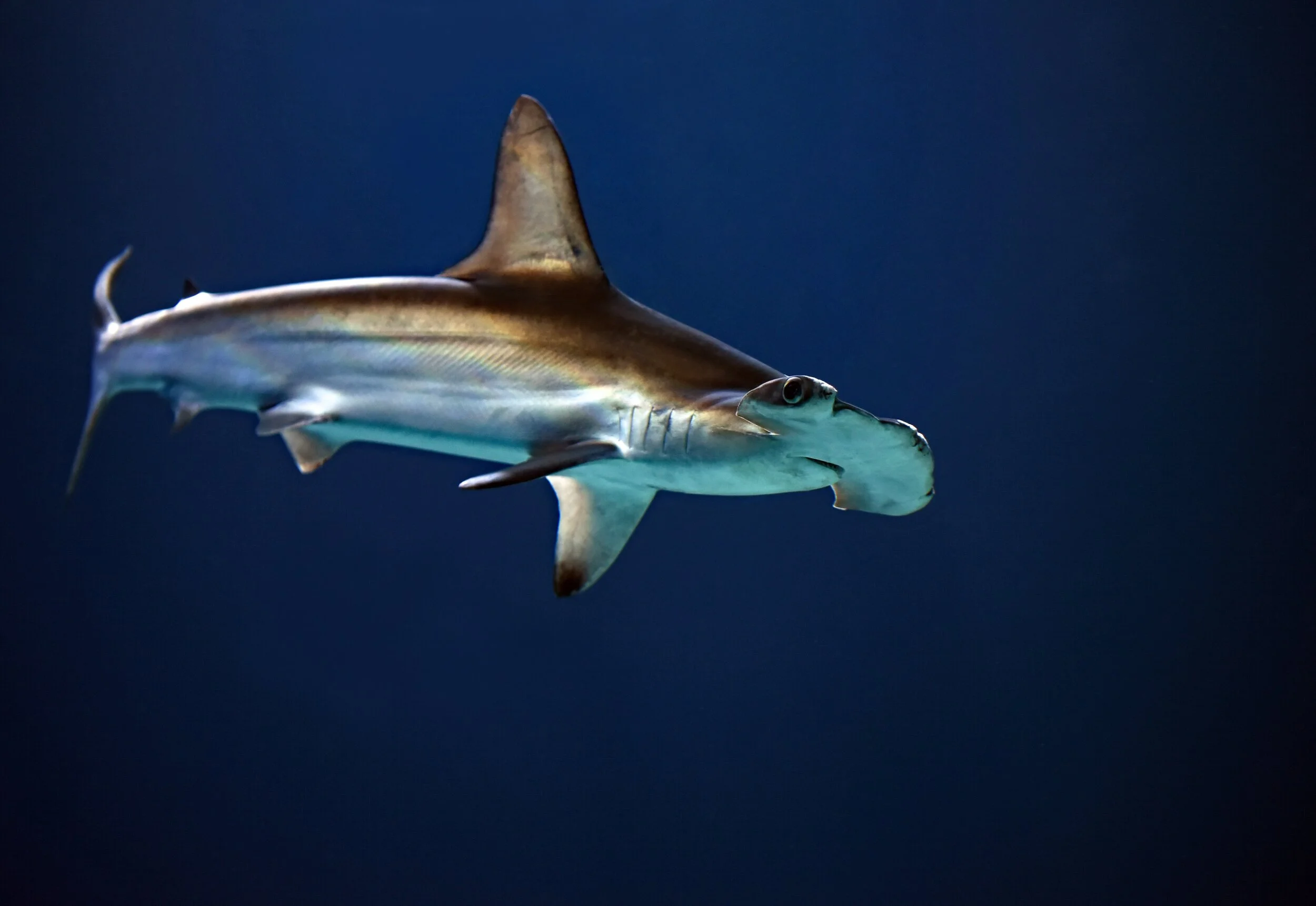
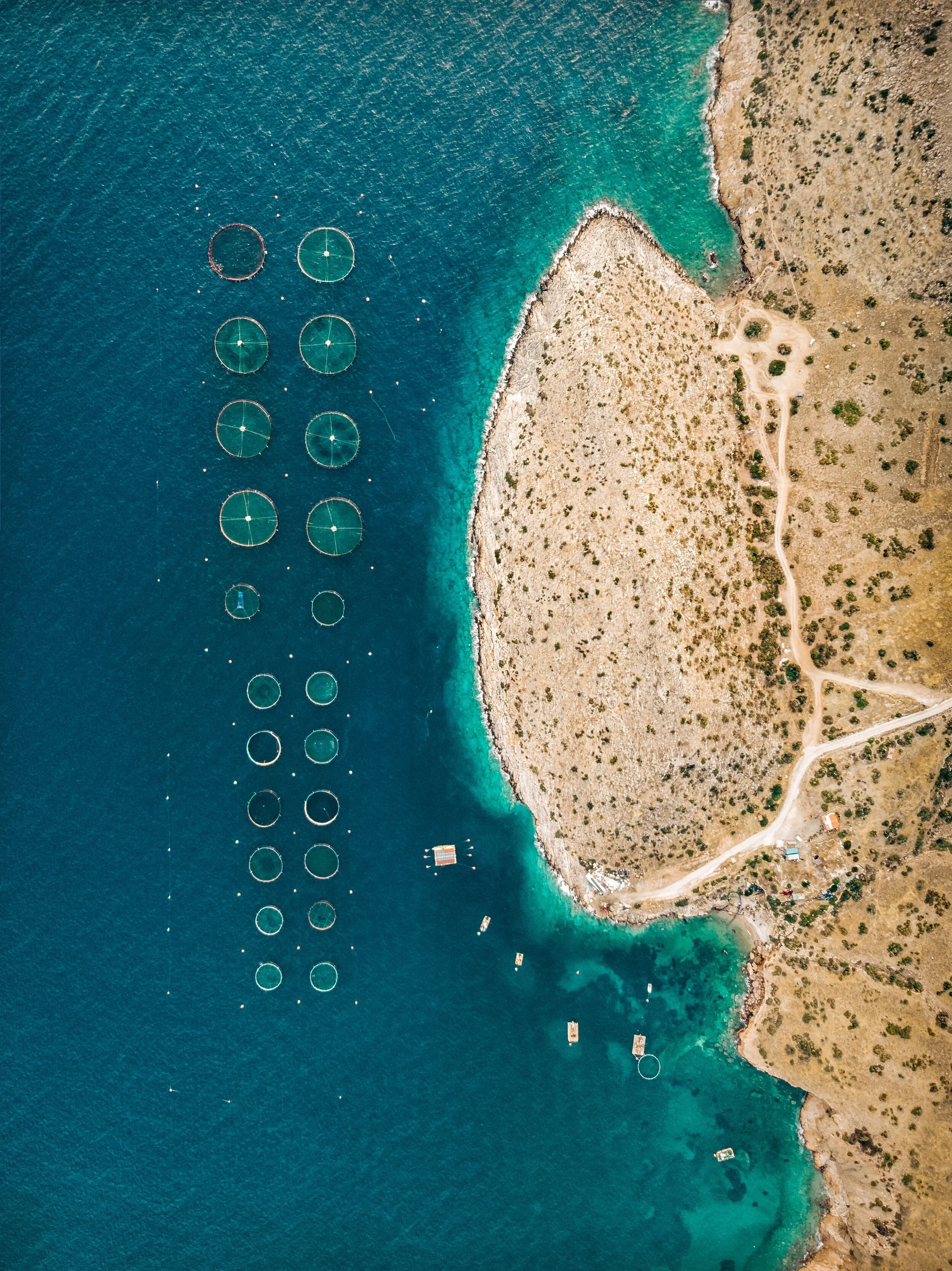
A Major Step Forward for Farmed Animals
People don’t often think of fish when it comes to farm animals. But fish are the most farmed animals on earth. Today, they receive critical support from conservation stakeholders in Asia.
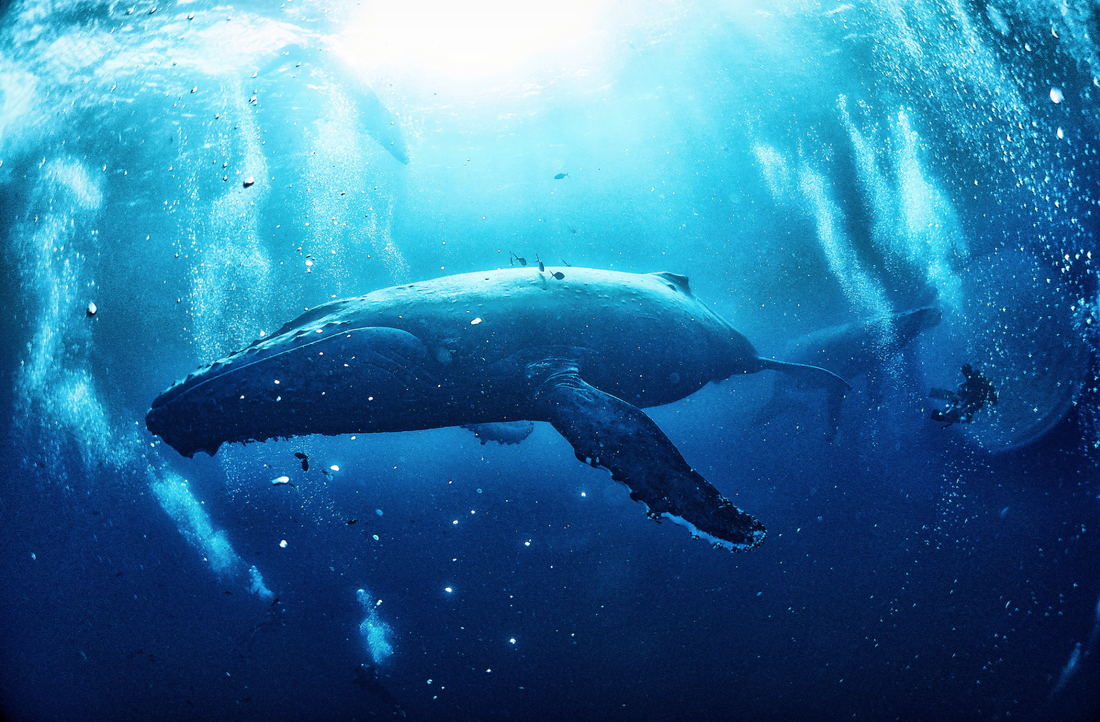
Underwater Realm - Anuar Patjane Floriuk
We are not familiar with this environment because we don’t see what we destroy, and this needs to change very quickly so we can reverse this course. By sharing the beauty of our oceans we might start to care more and build or strengthen the connection between us and the sea.

Marine Ecology with Morgan Bennett-Smith
As humans, we don’t connect on an emotional level to fish in the same way that we might to a dog, or cat, or some other mammal, so it’s easy to assume that fish don’t feel pain or react to stimuli in ways that we understand.