
Fish Welfare over the Holidays
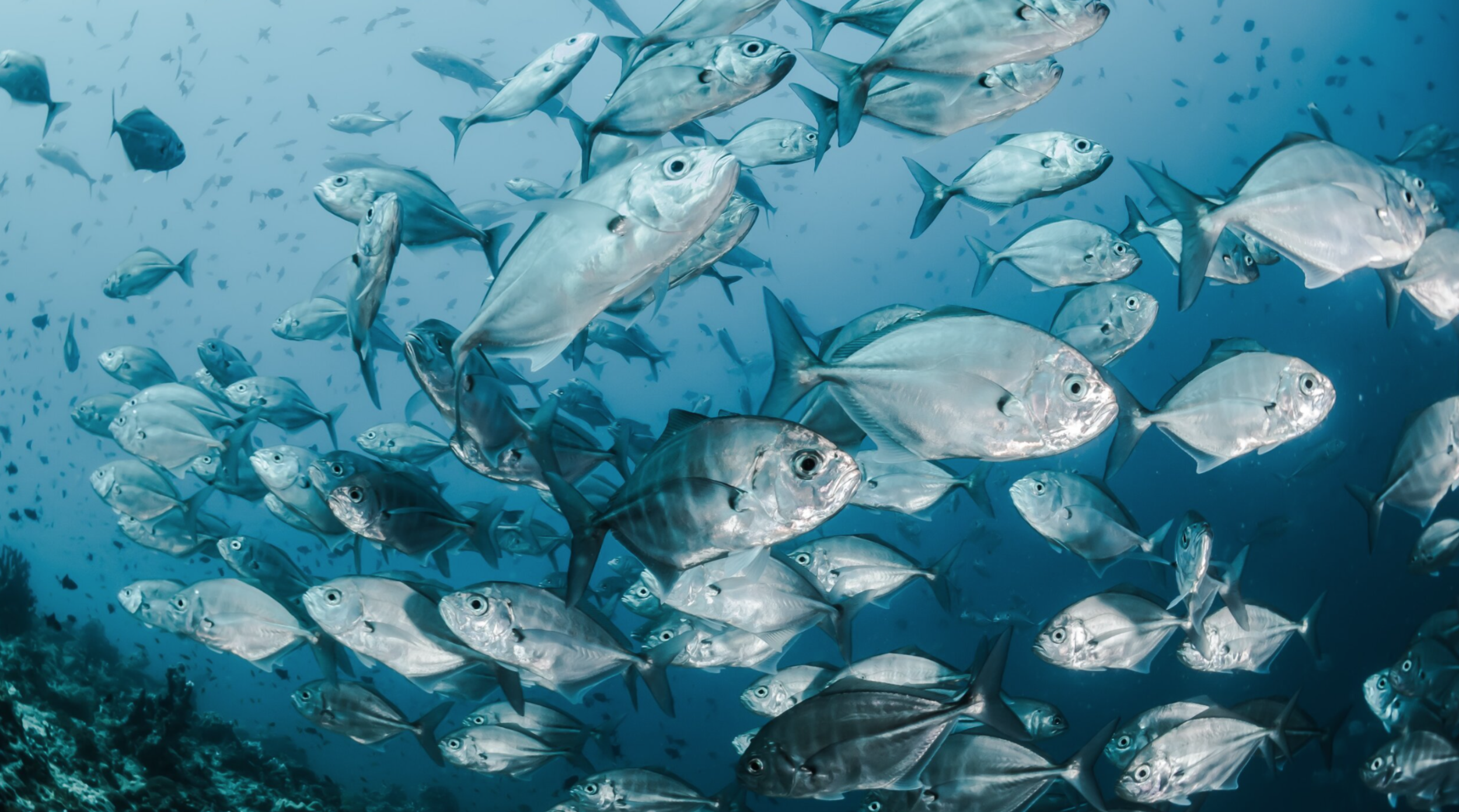
Let’s talk about fish. Fish have been proven to be sentient creatures, meaning, they feel pain subjectively and can suffer. Yet, billions of fish are farmed in high suffering conditions, often crammed in small pens and surrounded by filth and disease. In intensive fish farms, in which the fish are kept at an extremely high stocking density, the three components of good animal welfare - physical well-being, mental well-being, and natural living - are highly compromised. Overcrowded farms lead to increased disease, stress, aggression levels and physical injuries. Certain fish species, such as salmon that are meant to swim upriver and migrate freely, suffer from extreme disruption to their natural behavior when farmed. Lastly, farmed fish are often slaughtered by a range of cruel methods that lead to suffering, such as cutting the gills off without properly stunning the fish, leaving the fish in air or on ice to suffocate or processing them while they are still alive.
Additionally, each year millions of fish are used in cruel experiments for scientific research. These experiments include having their skulls drilled, being subject to painful toxicity tests and killed by harmful chemicals. The exact number of fish killed in laboratories each year is unknown since the Animal Welfare Act does not provide protection to fish or regulate these experiments. Although fish are consistently ranked high in animals used in lab experiments, fish welfare is rarely discussed. Fish are small, cheap and easy to get, therefore it is simple to conduct tests on them in large quantities, where they are viewed as expendable.
Although scientists can conclude that fish do not feel the same pain as we do, they do feel pain. In order to determine if an animal can feel pain they must meet two criterias: they must respond to a painful event in a way that is different from how they would be in a pain-free stimulus, and they should change their behaviors based on the painful experience. Fish have been observed showing severe signs of stress such as rocking back and forth, losing their appetite, and changing their swimming behavior after they have been put in a painful situation. For example, when a fish’s lips are given a painful stimulus, they rub their mouth against the side of the tank similar to how humans react when we are physically hurt. Fish have also shown similar brain activity during these events that terrestrial vertebrates do.
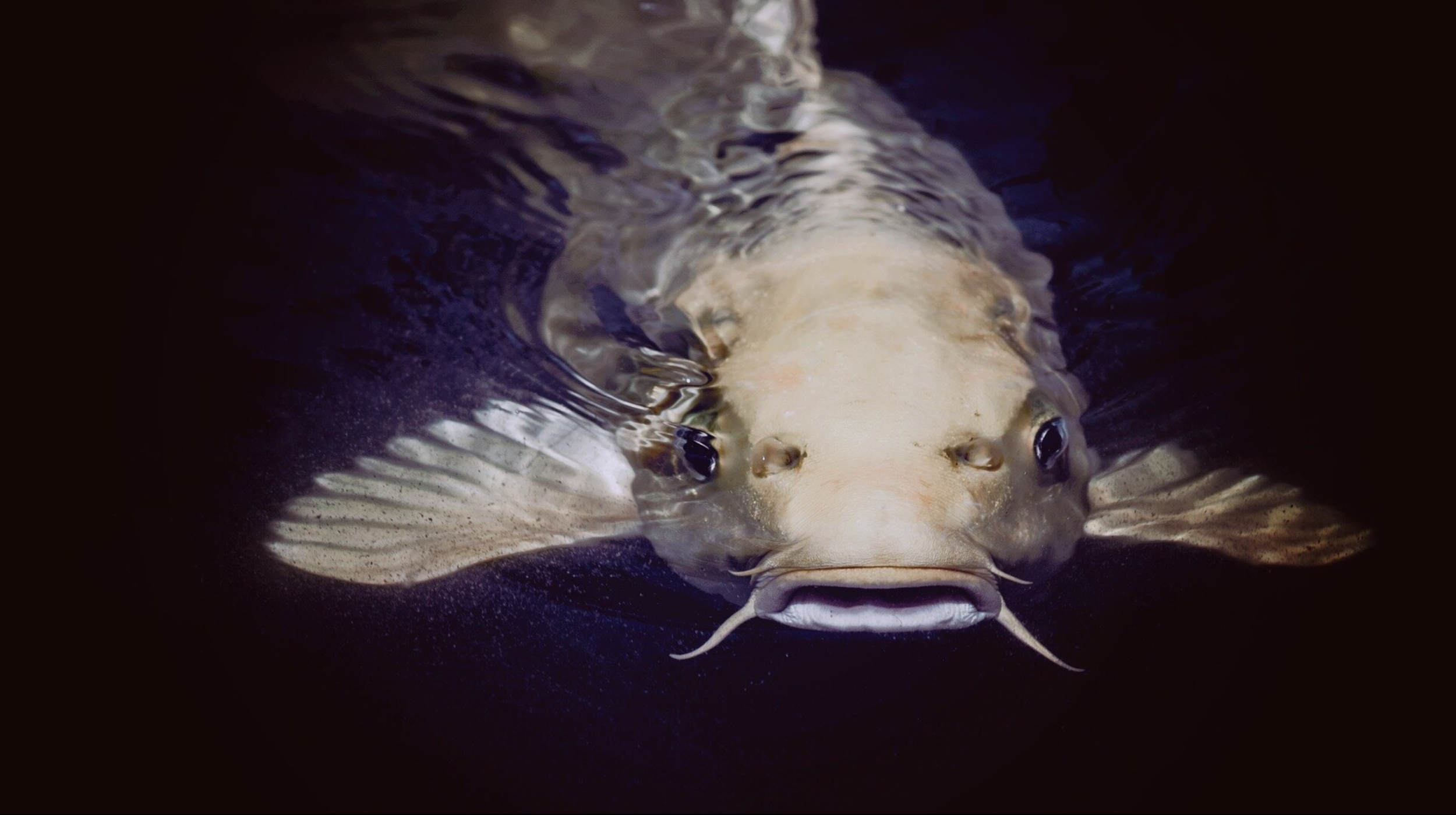
As we approach the holidays, I encourage you to help spread the word to your family and friends that fish are sentient beings and deserve welfare considerations just like terrestrial animals. One way is to show their individuality, if you’re into photography. Another way is to follow us on social media. These can be fun and visual ways to get people to care. You can also vote with your wallet by supporting only companies that do not fund or conduct cruel experiments on animals. A true improvement to fish welfare wouldn’t just mean keeping them alive—it would mean preventing them from suffering AND providing positive experiences in their lives. Follow along with Aquatic Life Institute’s progress in improving fish welfare.
Words by Taylor Tsacoumis