A Major Step Forward for Farmed Animals
People don’t often think of fish when it comes to farm animals. But fish are the most farmed animals on earth. Today, they receive critical support from conservation stakeholders in Asia.
By reading the headline, you might think, “Hooray! Animal rights groups have secured a win for pigs and chickens and cows!” But this time, we are talking about fish. Today, on World Day for Farmed Animals -- the first time it is being celebrated in Asia -- animal conservation groups in this important region have joined our global Coalition for Aquatic Conservation to coordinate efforts in improving the conservation and welfare of aquatic animals.
Aquatic animal suffering is widespread but not commonly-known by the general public. Every year, approximately two to three trillion aquatic animals are killed in the wild and 100 billion are farmed (the most farmed animals on earth). Yet, aquatic animals, who are intelligent, sentient beings, overwhelmingly live high-suffering, low-welfare lives, and have largely been neglected by animal rights advocates.
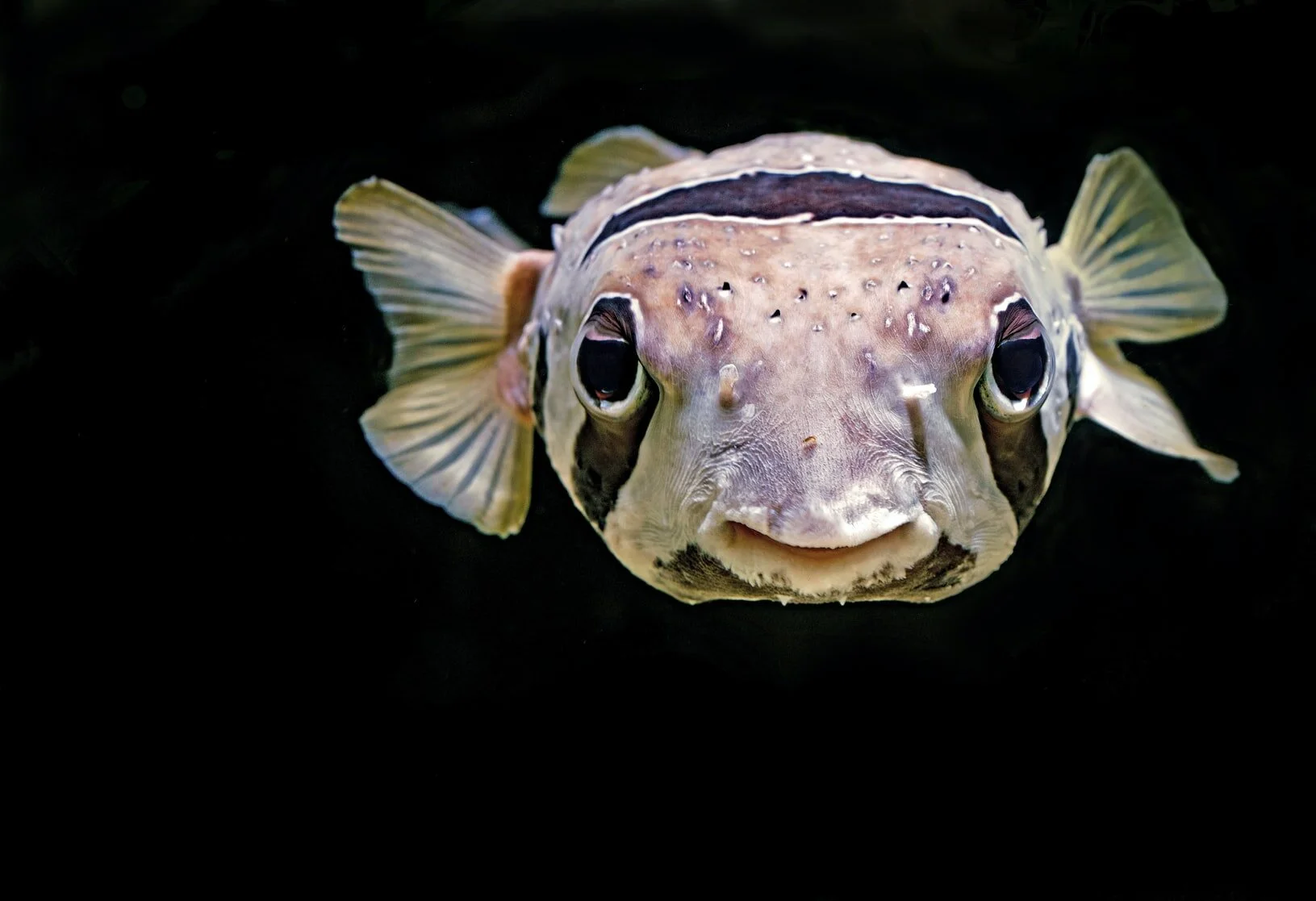
Photo by David Clode on Unsplash
Description: A black-blotch porcupinefish named E.T. by the staff at the Cairns Aquarium. When threatened, they can puff themselves up into a ball covered with spines to protect themselves.
The Aquatic Life Institute is determined to change this. We are directing the nascent aquatic animal welfare movement through five major pillars of work: coalition and movement building, research, key stakeholder campaigns, law & policy, and public education. Within our coalition pillar, we have already founded the Aquatic Animal Alliance, whose major work has centered around defining what aquatic animal welfare is by submitting joint comments to certification programs, which we will blog about in the future (spoiler alert: current “sustainable” seafood labels do not cover animal welfare).
Now, we have created the Coalition for Aquatic Conservation (CAC), a broader animal conservation coalition consisting of individual conservation experts and organizations that are working to protect marine life. Importantly, it will improve coordination on the nexus between farmed and wild capture fisheries, because not only are fish farmed in low-welfare conditions, but trillions of fish are caught using destructive fishing methods to feed not humans, but farmed fish, while many more non-target species, like marine mammals, are killed in the process.
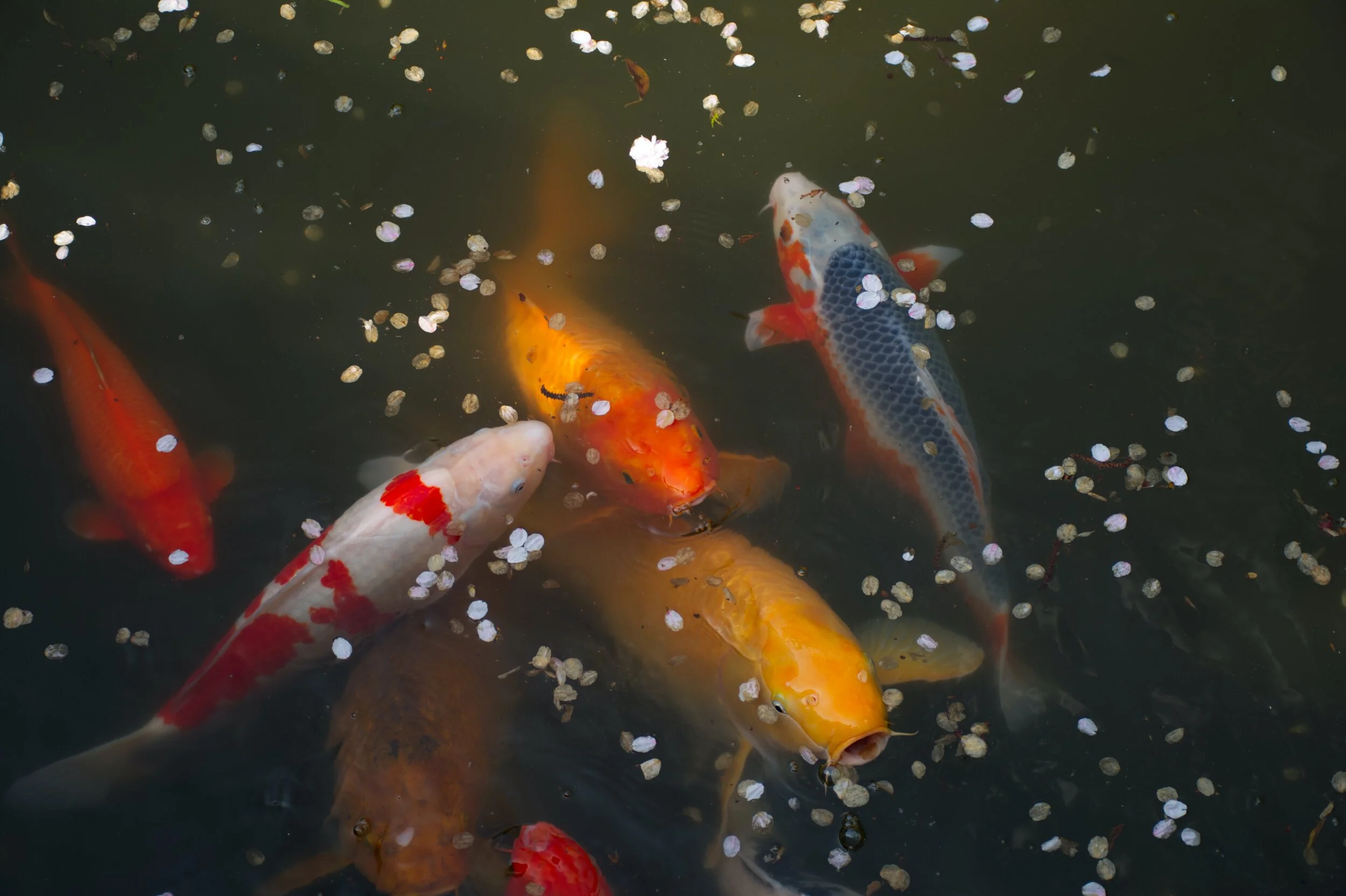
Photo by Joshua Slate on Unsplash
Asia is the leading producer for both aquaculture and capture fisheries, accounting for nearly 90% of global aquaculture production and possessing 68% of the global fishing fleet. Their participation is critically important in the global movement to improve aquatic animal welfare. Aquaculture is the fastest growing food production system and Asian countries will continue to rely on it more and more to feed a growing population. By joining the CAC, we take an important step towards a mutually-supportive and highly-coordinated network to ensure that this industry develops as sustainably and humanely as possible.
We at ALI are truly excited about this. We look forward to broadening and amplifying the great work already done by Asian conservation groups by providing the best science available that is species and life-stage specific to advance aquatic animal welfare, improve sustainability of the industry, and ensure food security and long-term prosperity for the entire region.
For a list of current members or to learn how your organization can be involved, email Chris, Head of Strategic Initiatives, at christine@ali.fish.