Introduction to ALI
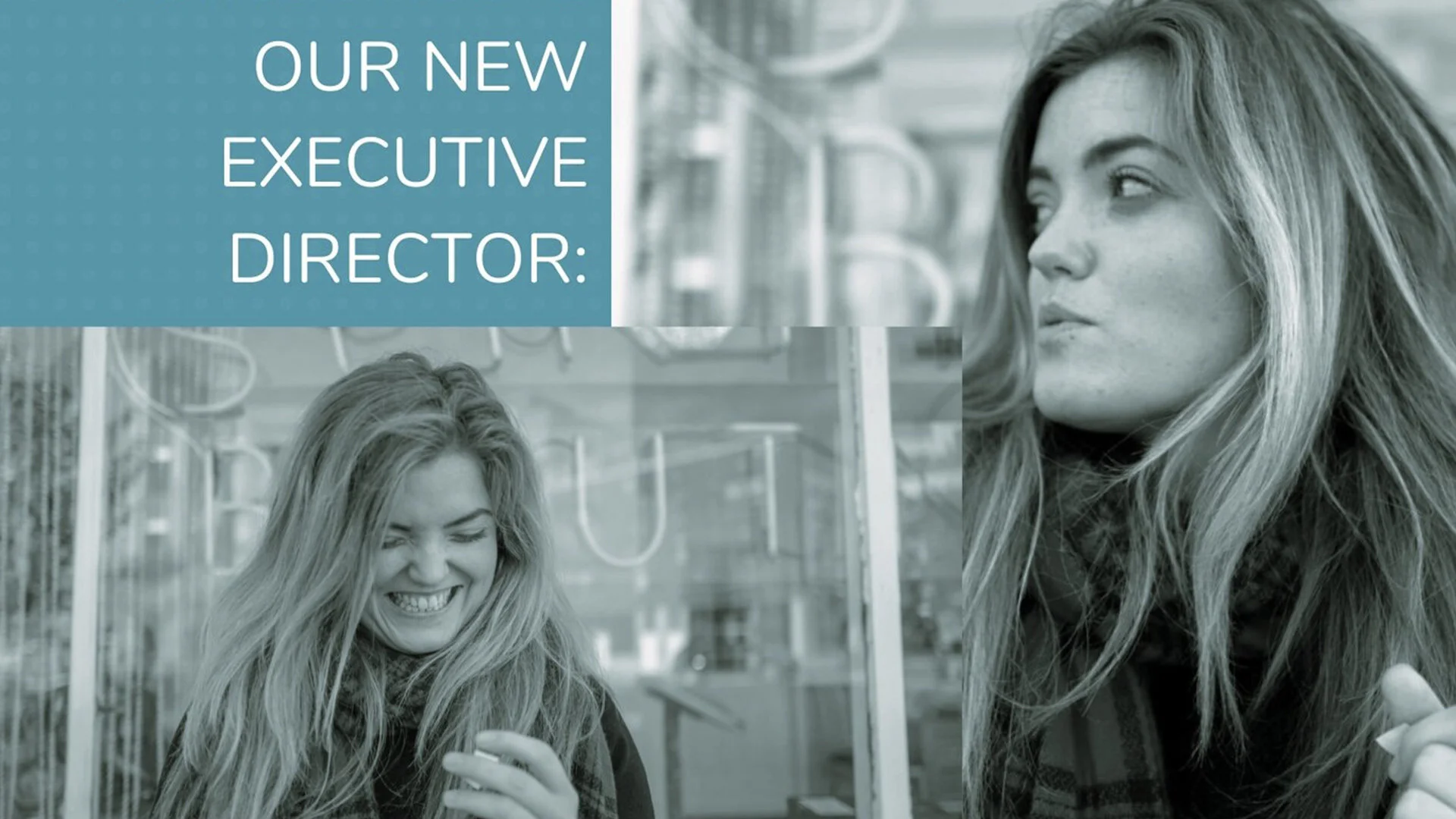
Words by Director of ALI, Rebecca Jenkins.
Well, my name is Rebecca, but most people call me Becky. I was born in a small town in Ireland called Wexford. I’m a lifelong animal lover, passionate about justice for all beings, human and non. This interest in and passion for social and economic justice brought me to study law in Trinity College Dublin. From there I spent some time working at the Green Party of Ireland before receiving a scholarship and relocating to Portland, Oregon in order to pursue a Masters Degree in Animal Law at Lewis & Clark Law School. It was there that I learned more about the plight of aquatic animals, especially farmed aquatic animals, in large part through the work of Professor Kathy Hessler. I’ve always had a place in my heart for neglected animals, and fish and other aquatic animals are some of the most neglected beings on our planet, so this really had an impact on me. Little did I know then that some years later I would be co-authoring the world’s first Aquatic Animal Law Textbook with Kathy and other aquatic animal experts I admire greatly. It was also in Oregon that I began to learn more about Effective Altruism, after attending a compelling talk by Peter Singer with some of my fellow classmates and Professors. I got to introduce Mr.Singer to Miyoko’s cheese that night, so it’s safe to say it was quite memorable for me. Effective Altruism is all about doing the most good we can, for the largest number of beings, so from an EA point of view, working to better protect fish seemed like a bit of a no brainer. I’m also a big music fan, meditator and rescue dog appreciator.
Why was ALI created?
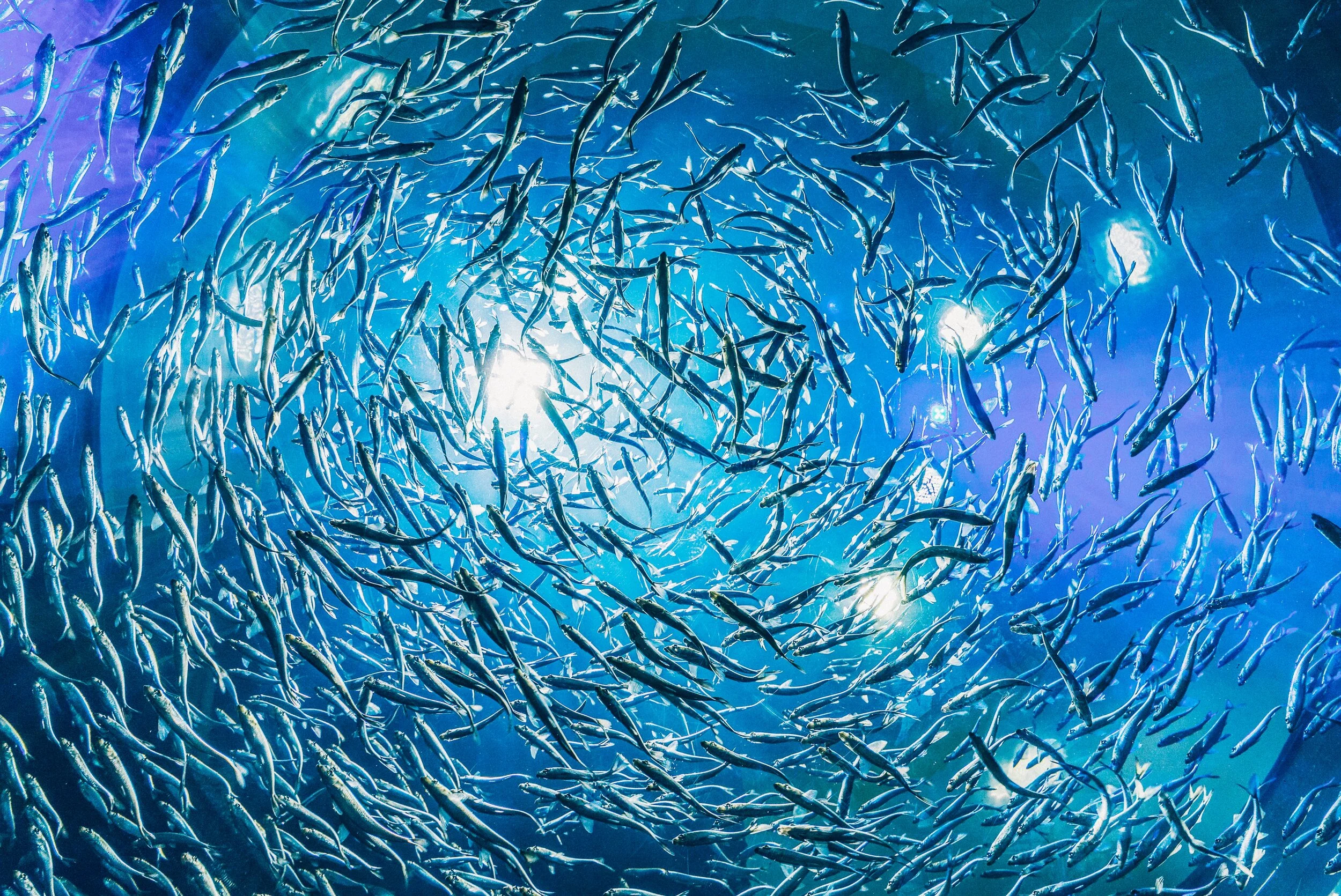
Well, I wasn’t around during the initial talks between William Bench and Prof. Becca Franks about the need for increased focus and resources to go to aquatic animal issues, but what I do know is that approximately 100 billion (yes with a B!) aquatic animals are farmed worldwide every year, and that attention to their wellbeing has been somewhat lacking as compared to other issues including endangered species conservation, farmed animal welfare or companion animal advocacy. Since, contrary to the lyrics of “Something in the Way” by Nirvana, the vast majority of available evidence shows us that fish (and many aquatic animals) do in fact feel, this is a huge problem and a hugely neglected problem at that.
What is our vision?
Our vision is a world where the public at large, and decision makers understand the complexities and welfare needs of aquatic animals and give them the ethical consideration they deserve.
What are we working on?
We use the resources we have to conduct research and take action to improve the lives of aquatic animals. We gather existing research, conduct or own research and fund other research and then we use this information to take action. We also work on coalition building in order to increase our ability to have an impact, aquatic animal suffering is a mammoth task and collaboration is necessary to make change. To this end we created the Aquatic Animal Alliance, a coalition of some of the world’s top animal welfare and protection organizations.
Our action through Aquatic Life Institute and the Alliance takes many forms, we lobby governments at all levels to make changes, we lobby certifier programs to include meaningful and impactful animal welfare standards, and we educate people about the fact the many aquatic animals have rich, complex lives and do have the capacity to have both positive and negative experiences.
What are some general plans for the future?
We believe in a multipronged approach, so we will be doing a number of different things. These include public education events such as our monthly Effective Aquatic Animal Advocacy events. We will continue to both conduct and then apply research, and we will continue to work with certifiers and governments around the world. We have a lot of exciting plans in store for our coalition building program, so stay tuned for that!