Defining “Welfare” for Aquatic Animals
Increasingly, researchers are finding that fish are sentient beings and deserve the same amount of welfare protections as land animals (e.g. Five Freedoms of animal welfare). While these Five Freedoms have been highly influential in the development of welfare standards globally, we want to do more than minimize the negative factors affecting animal welfare; rather, we aim to provide positive experiences that enrich their lives.
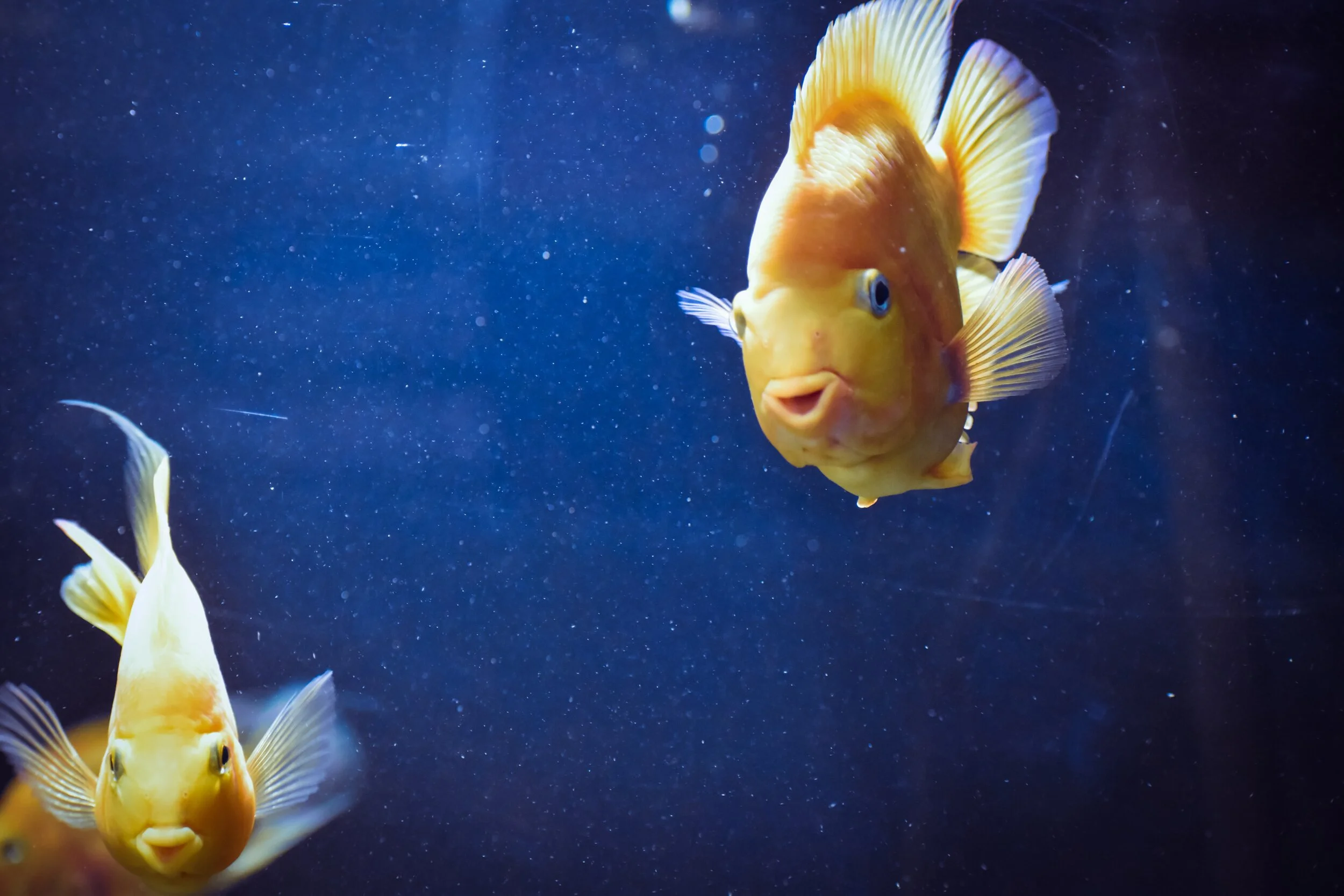
Photo by Aman Mahapatra on Unsplash
Similar to intensive livestock farming practices on land, fish suffer from crowded spaces, disease, antibiotic overuse, and inhumane slaughter practices. But unlike livestock, hundreds of species of aquatic animals are farmed each year and our understanding of what welfare means for them is extremely limited.
So, we created the Aquatic Animal Alliance (AAA) to pool research, resources and expertise together in setting welfare standards that are urgently needed for aquatic animals. In my previous blog, I highlighted one of our five pillars of work: coalition building. Inspired by what the Open Wing Alliance has done for the welfare of farmed chickens, the AAA is made up of leading animal protection organizations from around the world to coordinate welfare standards for aquatic animals and to ensure that industry follows them. You can find out more about our theory of change here.

Photo of Sockeye Salmon Swimming, from Wikimedia Commons
Since its inauguration in early 2020, the AAA has already taken swift and impactful action steps. The first major piece of work involved advocacy directed at aquatic product labeling schemes, because the majority of the world’s “sustainable” fish labels do not cover animal welfare. In fact, one of AAA’s members has a highly informative comparison of five of the largest fish labeling schemes in the world and reveals some shocking truths.
The good news is that between June and October, we have already submitted joint feedback to the following labeling schemes urging for the incorporation of aquatic animal welfare standards: GlobalG.A.P., Best Aquaculture Practices (BAP), and Aquaculture Stewardship Council (ASC). As consumers, you too can urge these labeling schemes to improve.
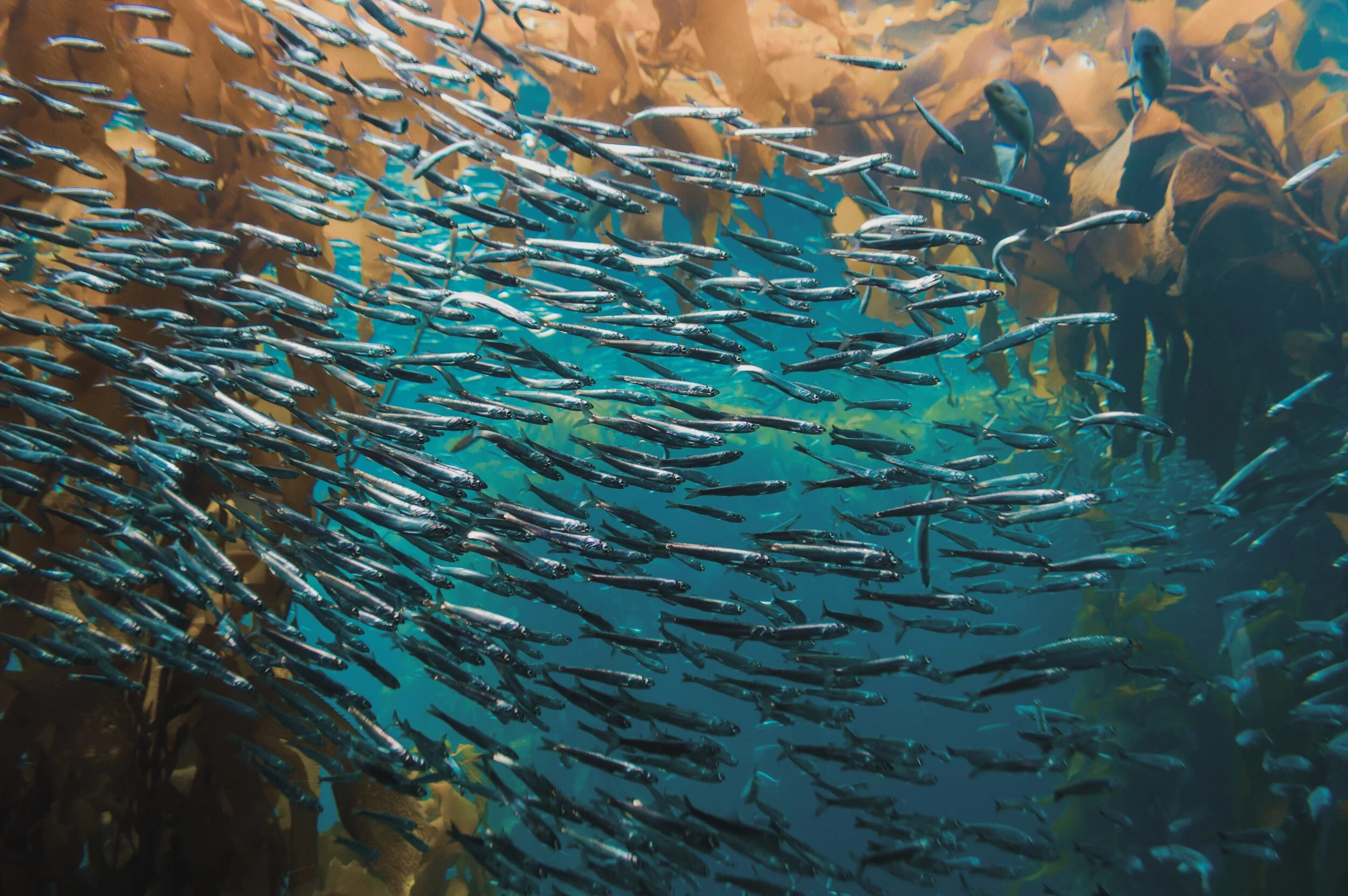
Photo by zhan zhang on Unsplash
We are proud to say that together, we have created the first, most comprehensive guide on what welfare means for aquatic animals. After consulting with global experts, we have identified five pillars of aquatic animal welfare and their key interventions. Below is a brief overview:
1. Enriched Environment: Create an environment that meets species-specific ethological needs analogous to their ideal habitat.
2. Feed Composition & Feeding: Reduce the amount of wild-caught fish required for aquaculture feed by researching alternative feed sources, improving feed conversion ratios, and substituting carnivorous farmed species with herbivorous species. Strive for the most optimal feeding times and quantities and avoid starvation periods exceeding 72 hours.
3. Space Requirements & Stocking Density: Maintain appropriate space by species and lifestage to avoid negative physical, psychological, and behavioural impacts.
4. Water Quality: Key water quality indicators should be monitored continuously or at least once a day.
5. Stunning & Slaughter: All animals must be effectively stunned before slaughter while the time elapsed between stunning and slaughter must be minimized in order to lower the risk of consciousness being recovered.
This is just the beginning of a coordinated movement to draw attention to and improve existing fish product certification standards. We urge all labeling schemes to take into account the welfare of aquatic animals required in the entire chain of aquaculture production, including cleaner fish, feeder animals, and broodstock, as well as the process of catching fish in the wild used for aquaculture and livestock feed.
The Aquatic Life Institute will continue to use the best available science to guide our coalition work as well as welfare standards that apply to both 1) all aquatic species, and 2) species- and lifestage-specific. Going forward, we would also like to engage corporate stakeholders to commit to sourcing only high welfare aquatic animal products. We hope you can consider supporting our work.