

Can You Fool a Fish?
Researchers at the University of Trento in Italy conducted a study to find out if a particular species of fish, the redtail splitfin, saw the Ebbinghaus illusion in the same way that we do.
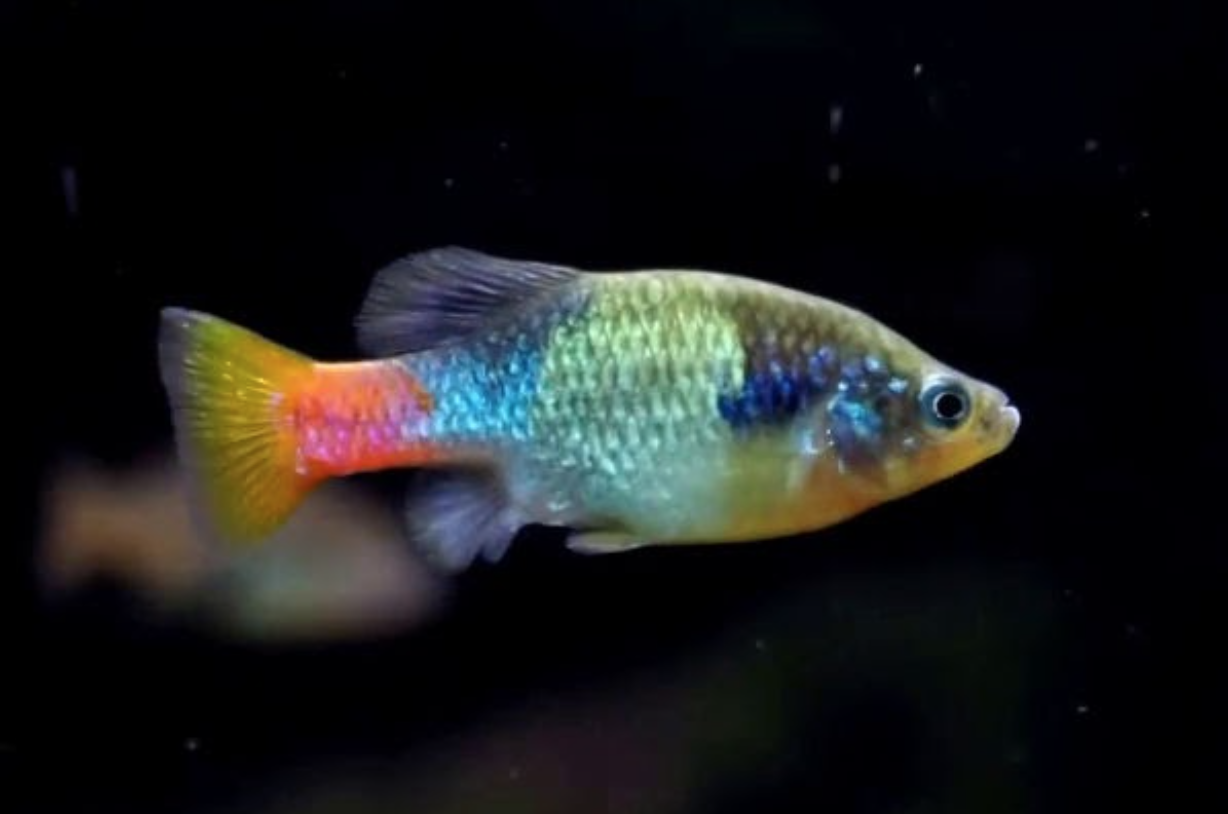
Photo of a Redtail Splitfin fish
An interesting study was conducted where fish were split into two groups and presented with two circles, each of different sizes. Group A was then conditioned to favour the smaller circle using food rewards while group B was conditioned to favour the larger circle.
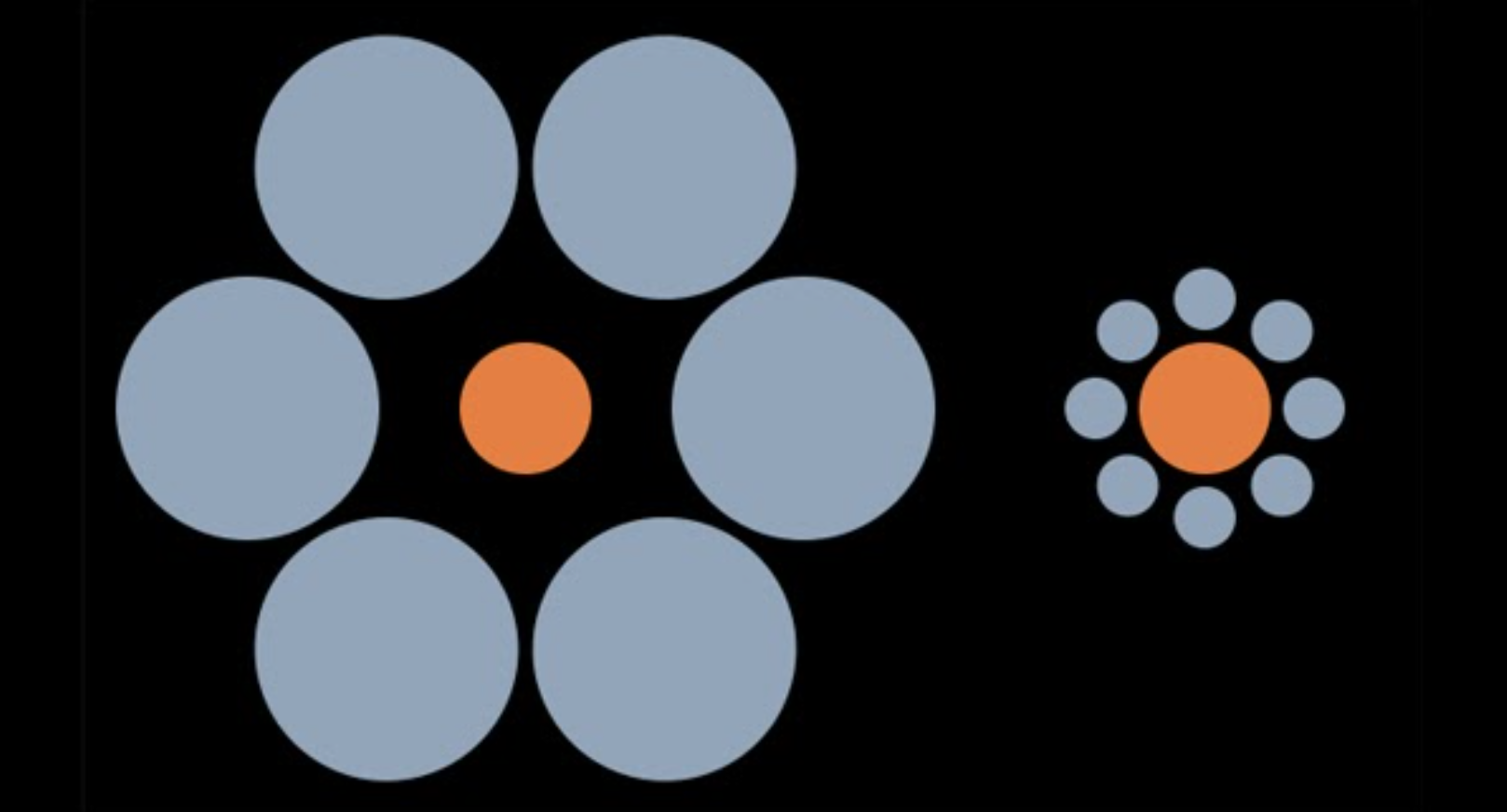
Once this conditioning had taken place, it was possible to find out if the fishes perceived the Ebbinghaus illusion in the same way that we do - and they did! The finding that someone, fish or human, falls prey to these kinds of visual illusions reveals a discrepancy between their perception and reality.
If the fishes were not fooled by optical illusions, we might conclude that they see in a mechanical, mindless way. But because they were indeed fooled, by responding to the illusion in the same way that humans do, suggests that they too form mental concepts based on what they see.
Since this experiment, the idea has been further tested with other fish such as goldfish and bamboo sharks, with various optical illusions. All reached the same conclusion - that fishes have mental concepts and perceptions.
If fish can create their own mental concepts and be fooled by optical illusions, is it such a stretch to assume that they also can perceive and form mental concepts about the world around them?
Blog by Abi Foster