
Aquatic Life Institute blog
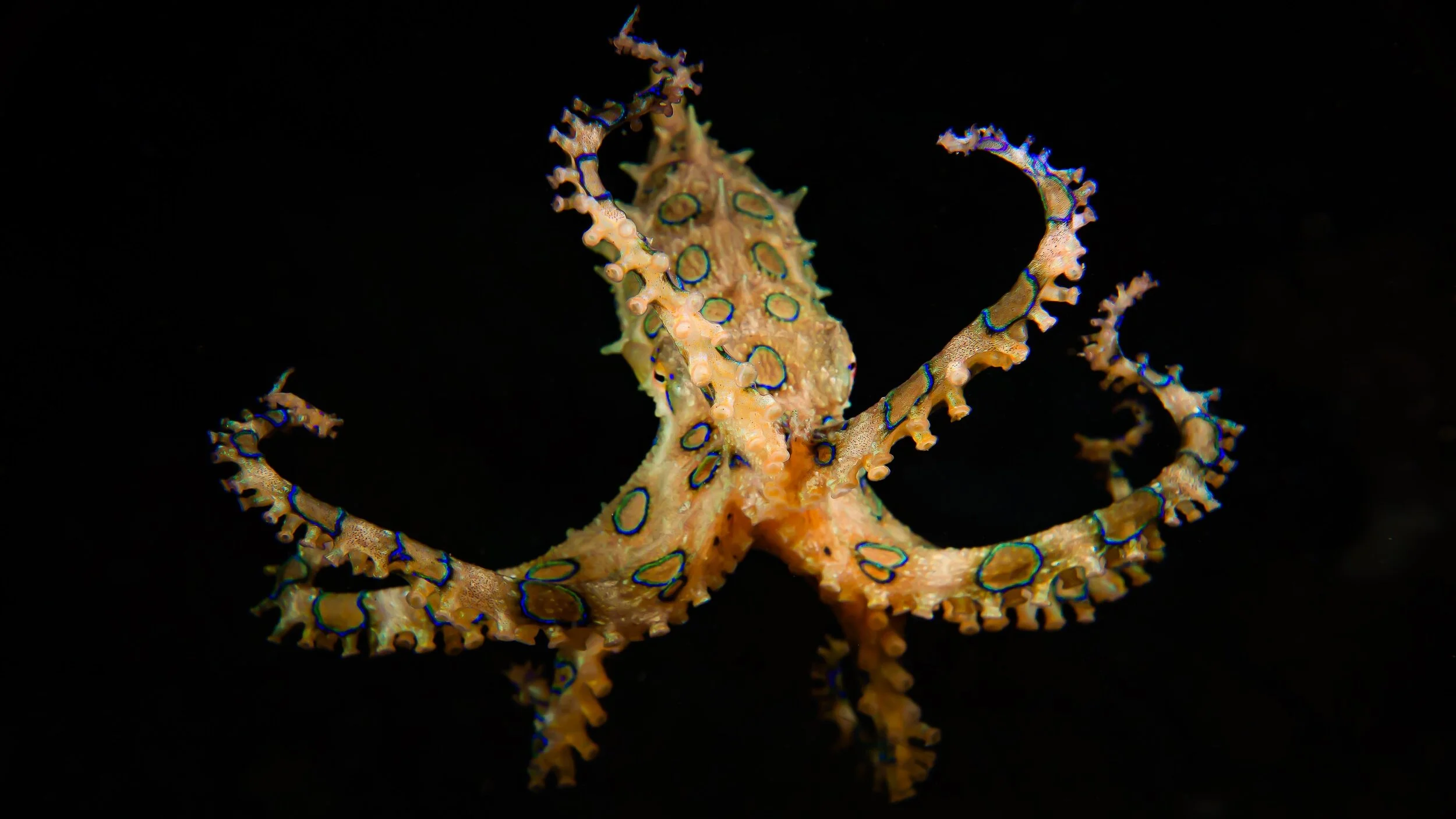
Lobsters and Octopuses Feel Pain, but are Excluded from Protections Under the Law
The UK has been historically known to be global leaders in terms of animal welfare legislation. After exiting the European Union, the UK is revising and updating many legislations, regulations and frameworks, and it appears that they want to continue spearheading the global trend of improving welfare conditions for animals in general. However, there are some key species that are missing from these strategies.
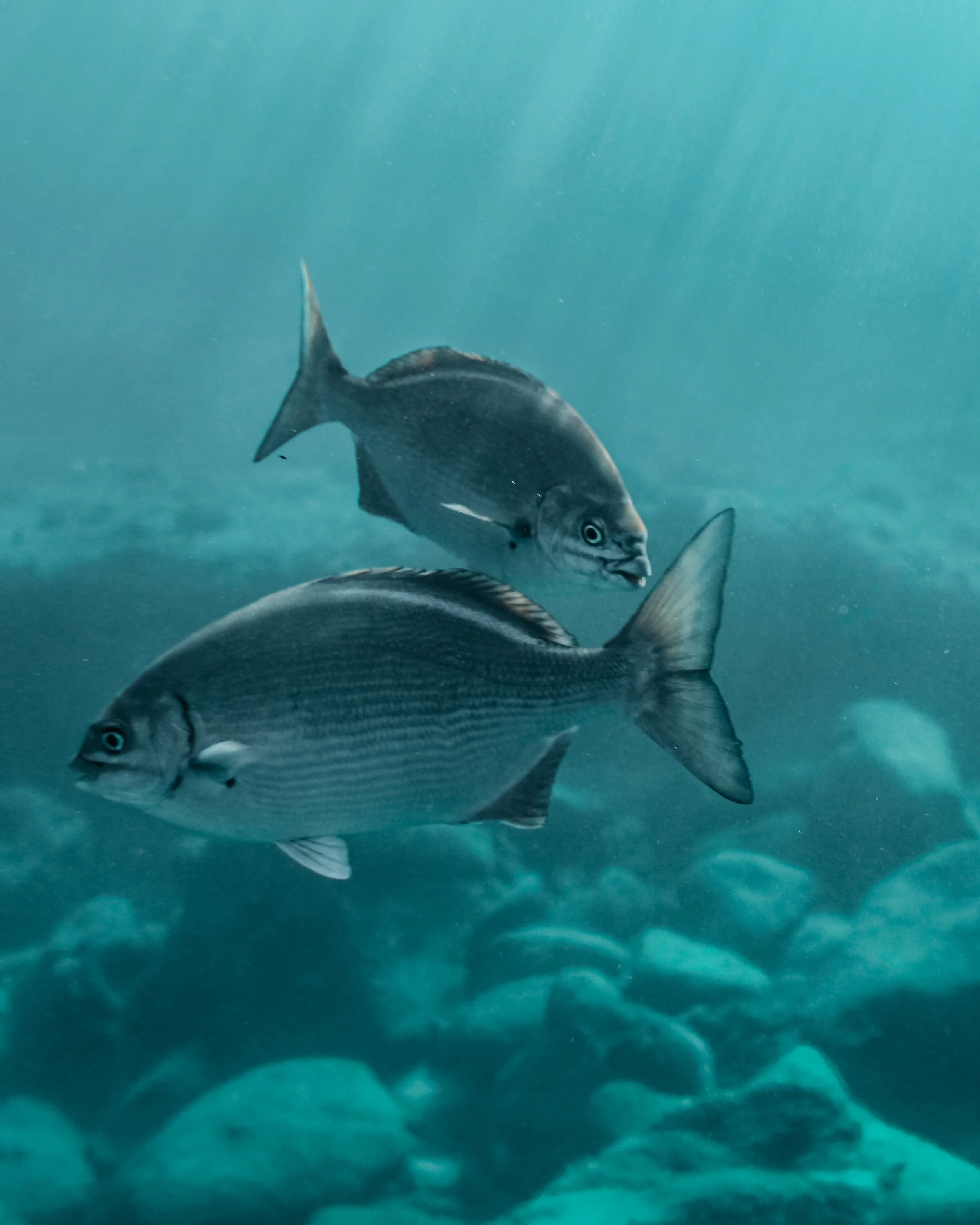
Why Fish Welfare Matters
The animal rights movement has grown into a global social movement that seeks to end the exploitation of animals by humans. Animals are subjected to suffering in a number of industries, including medical, food and entertainment industries. We have seen some improvement over the years for example in the conditions that some animals are kept, but still, the immense degree of suffering is indisputable.

The White-Spotted Pufferfish
The white-spotted pufferfish (Torquigener albomaculosus) is a type of pufferfish that was discovered around the Ryukyu Islands of Japan. Only recently have these fish been connected to a mysterious geometrical structure found on the seabed.
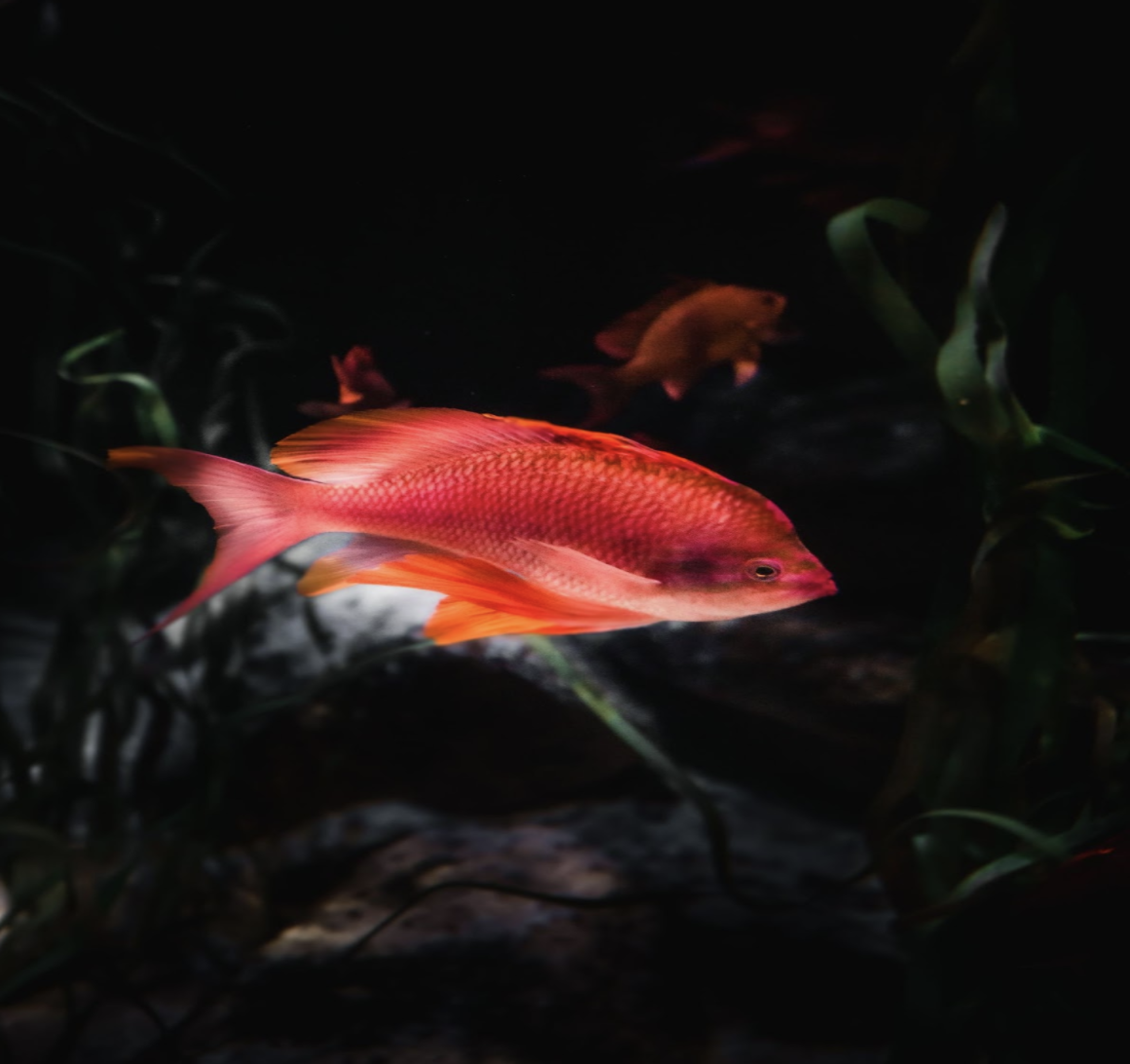
Second Annual ‘Respect for Fish Day’ - Show Your Support!
On the first of August, the second annual Respect for Fish Day will be celebrated. In Defense of Animals launched Respect for Fish Day to raise awareness about the sentience of fish and the concerns around their welfare. Despite scientific evidence confirming that fish are intelligent beings capable of feeling pain and emotions, fish are among the most abused animals and have been overlooked in animal rights discussions and animal welfare policies. Trillions of fish are caught and farmed each year and millions of others are exploited in laboratories, in the international aquarium trade, and for blood sports.

5 Plant-Based Sources of Omega-3 Fatty Acids
Contrary to the common assumption that you need fish or fish oil in your diet for an adequate supply of omega-3 fatty acids, they can actually be found in high concentrations in a number of plant-based foods. In fact, consuming fish will provide you with only some healthy fats, and the remaining fats are saturated. Fish and shellfish contain high amounts of cholesterol, and saturated fats and cholesterol increase the risk of heart disease. On a vegan diet, the risk of heart disease is minimised and heart disease can be reversed.
The main omega-3 fatty acids are alpha-linolenic acid (ALA), eicosapentaenoic acid (EPA) and docosahexaenoic acid (DHA). ALA is primarily found in plant oils, and EPA and DHA are primarily found in seafood. ALA is an essential fatty acid which means that the body cannot produce it on its own, so we need to get it from the foods we eat. The body naturally converts ALA into longer-chain omega-3 fatty acids, EPA and DHA.
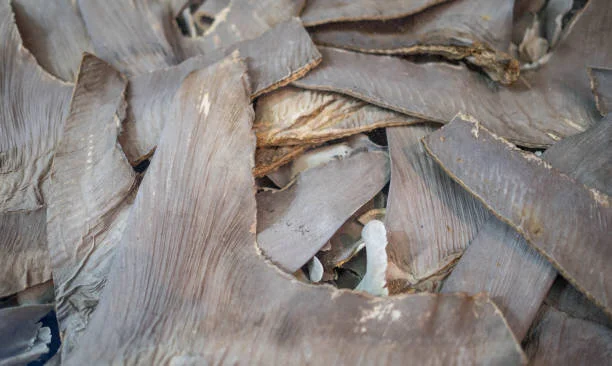
The Shark Fin Trade Around the World
The global shark fin trade is driving sharks to the verge of extinction. But there is an opportunity for US citizens to act. Read more to find out how! Happy Shark Week!
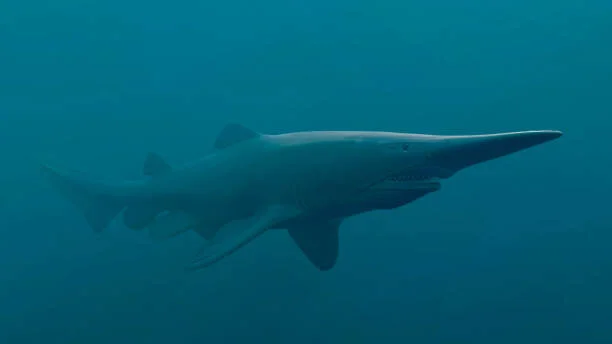
Shark Senses
Sharks have survived every mass extinction event, making them the most successful creatures in evolutionary history. But do you know what makes them so successful? Learn about their extraordinary senses and also some common myths busted! Happy Shark Week!
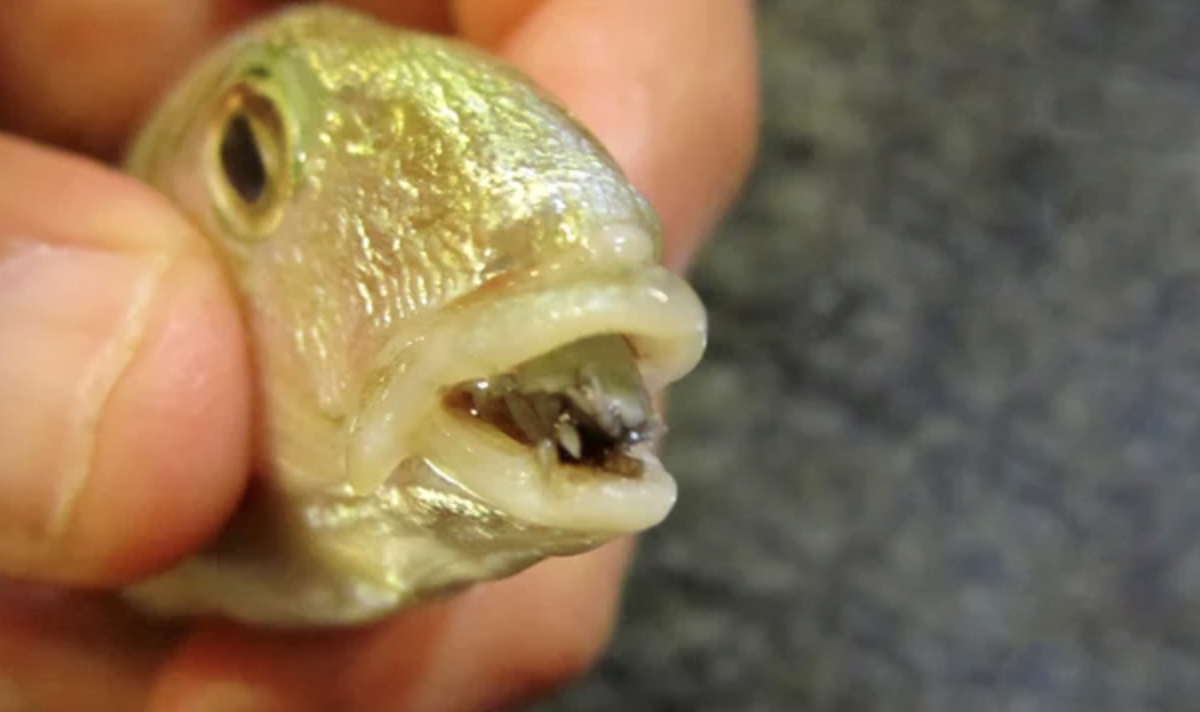
Disease in Fish Farms
Globally, the most traded food commodity is fish. Just as we see land animals farmed in major factory settings, fish farming is a very similar concept, with aquaculture fish production reaching 82.1 million tonnes in 2018. Aquaculture is the practice of farming aquatic fish, molluscs (such as oysters), crustaceans (such as shrimp) and plants in controlled environments in order to stretch the production of these commodities.

Consumers’ Role in Improving Aquatic Animal Welfare
Annually, around 100 billion aquatic animals are farmed with a further 2-3 trillion caught in the wild to satiate our growing demand for seafood. By comparison, this is about 35 times more than all farmed land animals. Yet, the welfare of aquatic animals has been historically neglected.
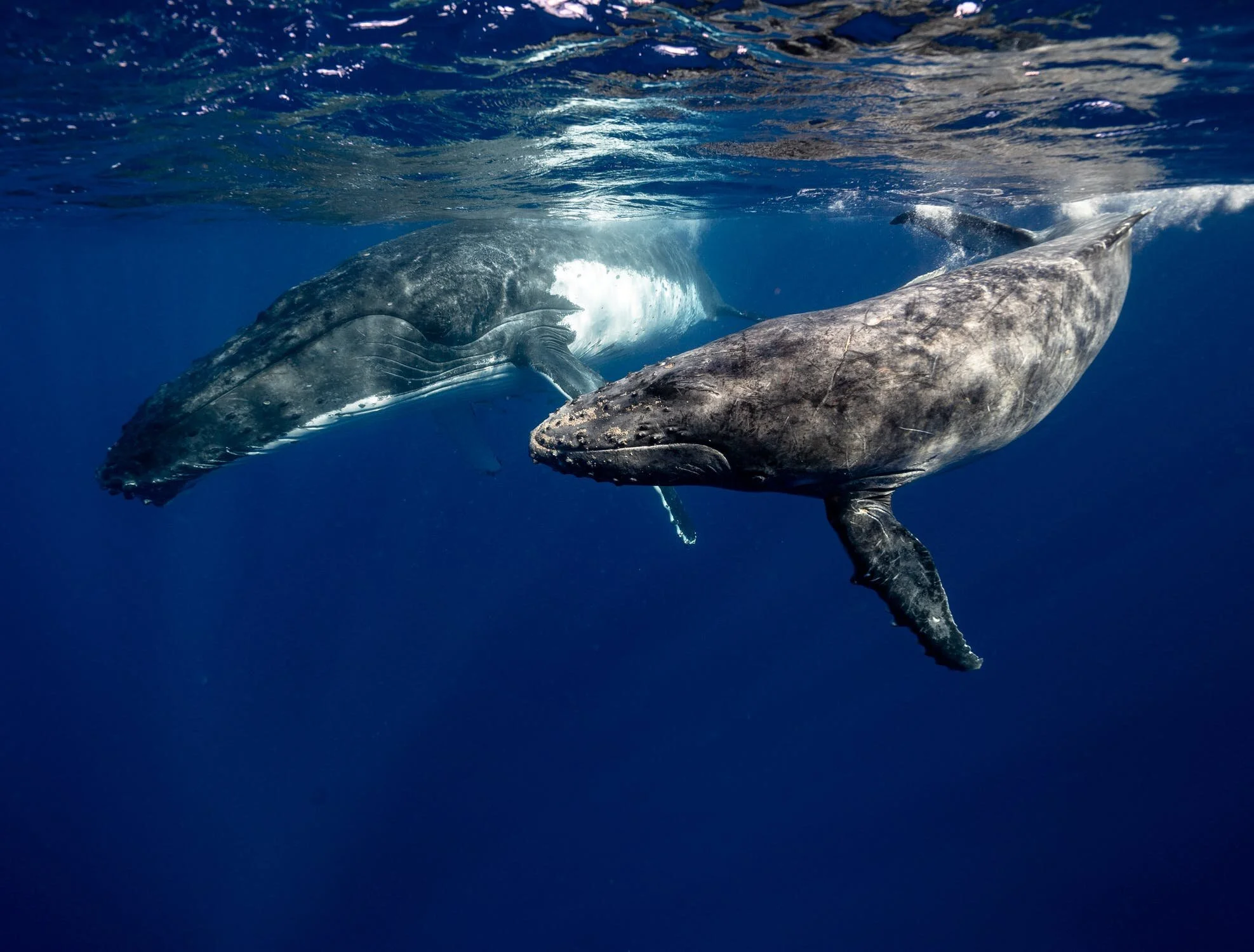
Symphonies of the Sea
Communicating underwater is challenging as light and odors do not travel well. But, sound moves 4x faster in water than air. As a result, most marine animals depend on vocalizations to communicate. A chorus of sounds fills the ocean, and a lot of this noise comes from whales. Whales have one of, if not the most, sophisticated form of communication ever existed. They are able to hear one another from hundreds or even thousands of miles apart, which is crucial because they are very social creatures that travel, live and hunt in groups called ‘pods’. Each pod has a unique ‘language’ that helps researchers identify where their pod originated.
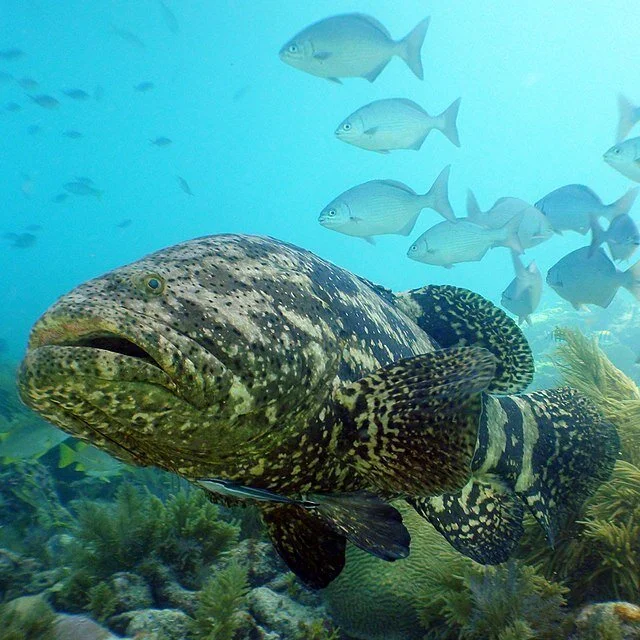
The Goliath Grouper, a Key Stone Species
Top predators like the Goliath Grouper (Epinephelus itajara) are considered a Key Stone Species because they are essential in maintaining a balanced ecosystem by controlling mid-level predator populations, such as the invasive lionfish. The Goliath nearly faced extinction in the 1980’s due to overfishing. As a result, in 1993 a harvest moratorium was put in place for the Goliath in Caribbean waters.
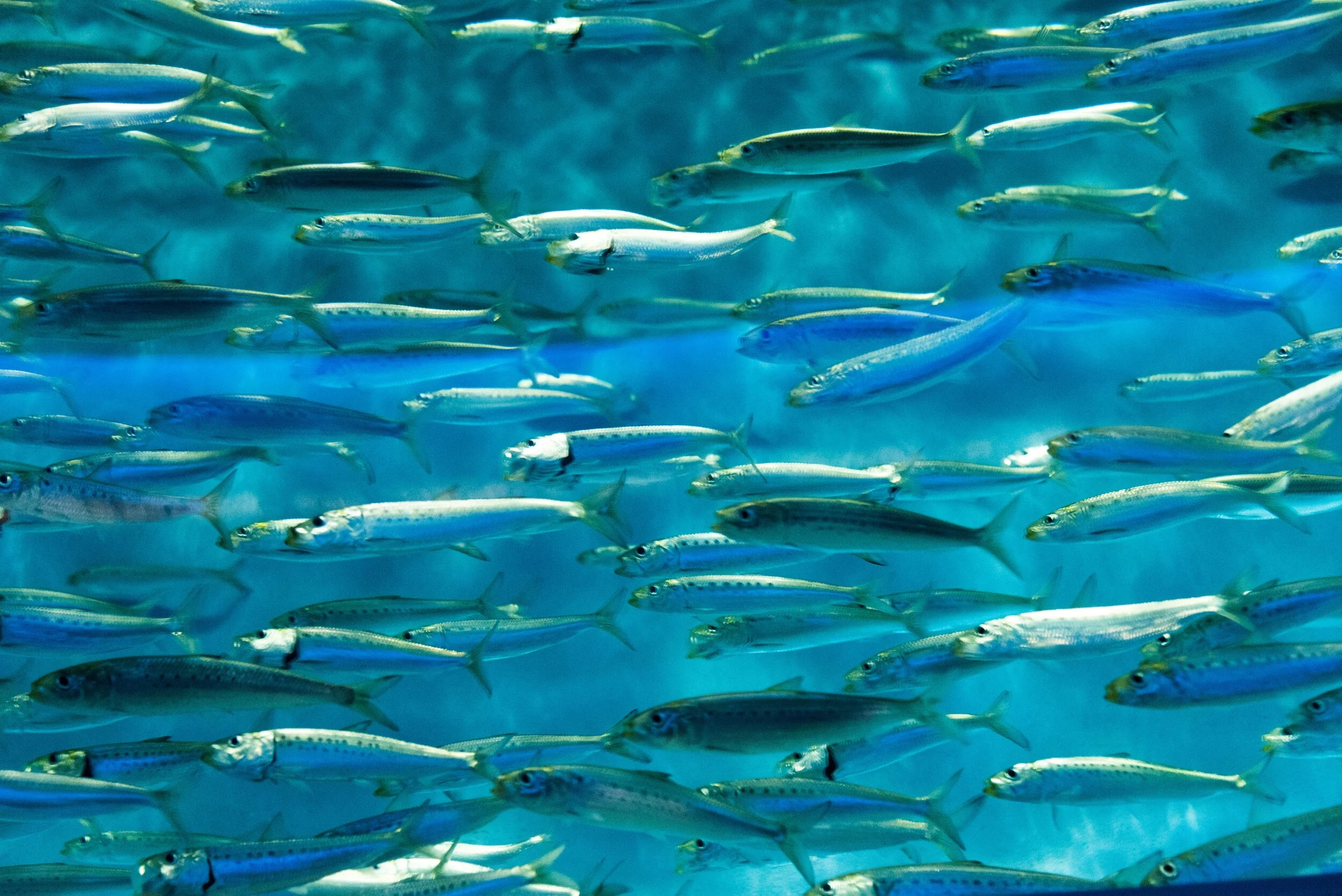
New Strategy Propels International Community to Improve Aquatic Animal Health and Welfare Worldwide
The World Organisation for Animal Health (OIE) launches an unprecedented global strategy on aquatic animal health with the support of its 182 Members. Our goal: to protect the health of life below water and ensure a sustainable future for all.

The EU’s New 2030 Aquaculture Strategy
On May 12, the European Commission published the new Strategic Guidelines on Sustainable and Competitive Aquaculture, setting the stage for aquaculture development between 2021 and 2030.

European Commission Feedback (ALI France)
Historically, scientists, activists, politicians and industry have all referred to aquatic animal populations as “seafood” and “stocks.” When discussing the use of these extraordinary creatures, we think not of them as individuals, but as animals purely for human consumption, using terms such as “fish stocks,” “stock depletion,” and “seafood traceability.”
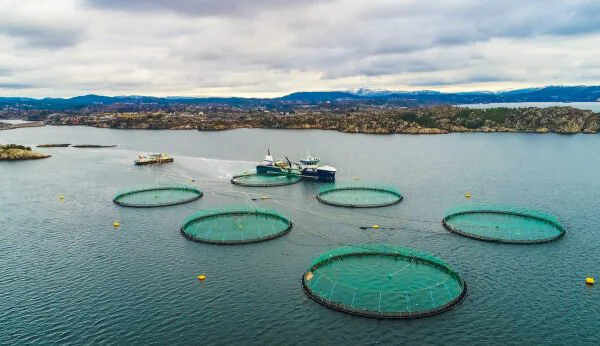
Animal Welfare Guide for Aquaculture Receives Support
ALI’s welfare guide for aquaculture receives support from both animal welfare and ocean conservation groups.
Animal Welfare Risks of Global Aquaculture
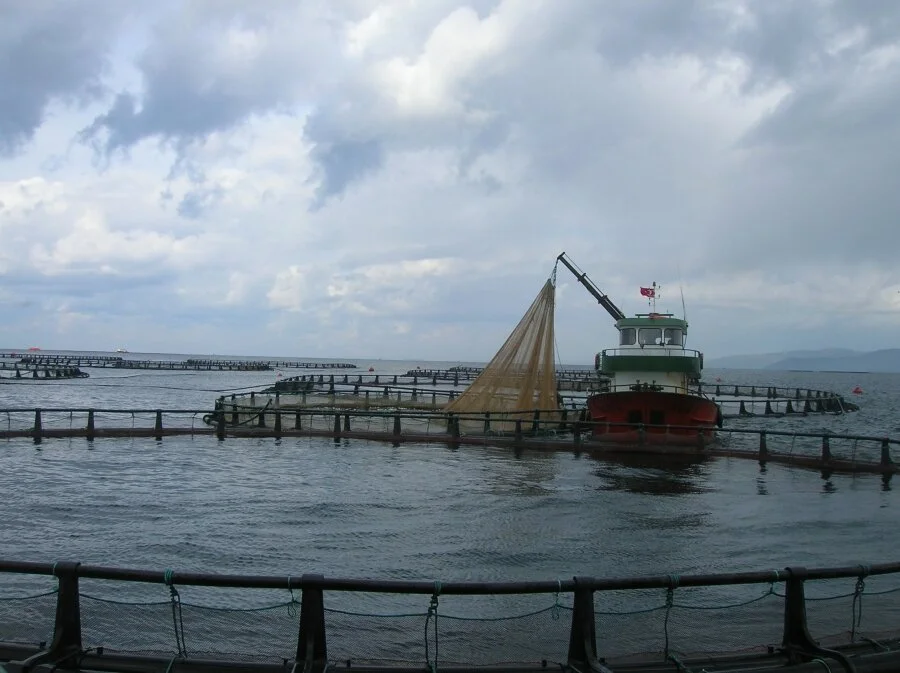
A new study by Becca Franks, Christopher Ewell and Jennifer Jacquet highlights the importance of aquatic animal welfare within the aquaculture industry -- an area that has been historically neglected by government, industry as well as animal welfare activists.
Until now.
A nascent movement for aquatic animal welfare has been growing in the past year, led by the Aquatic Life Institute, which founded the first alliance for aquatic animal welfare and issued the first comprehensive guide for welfare interventions in aquaculture. Since its publication, this guide has been endorsed by 25 (and counting) organizations.
Aquatic Life Institute in French newspaper "Le Monde"
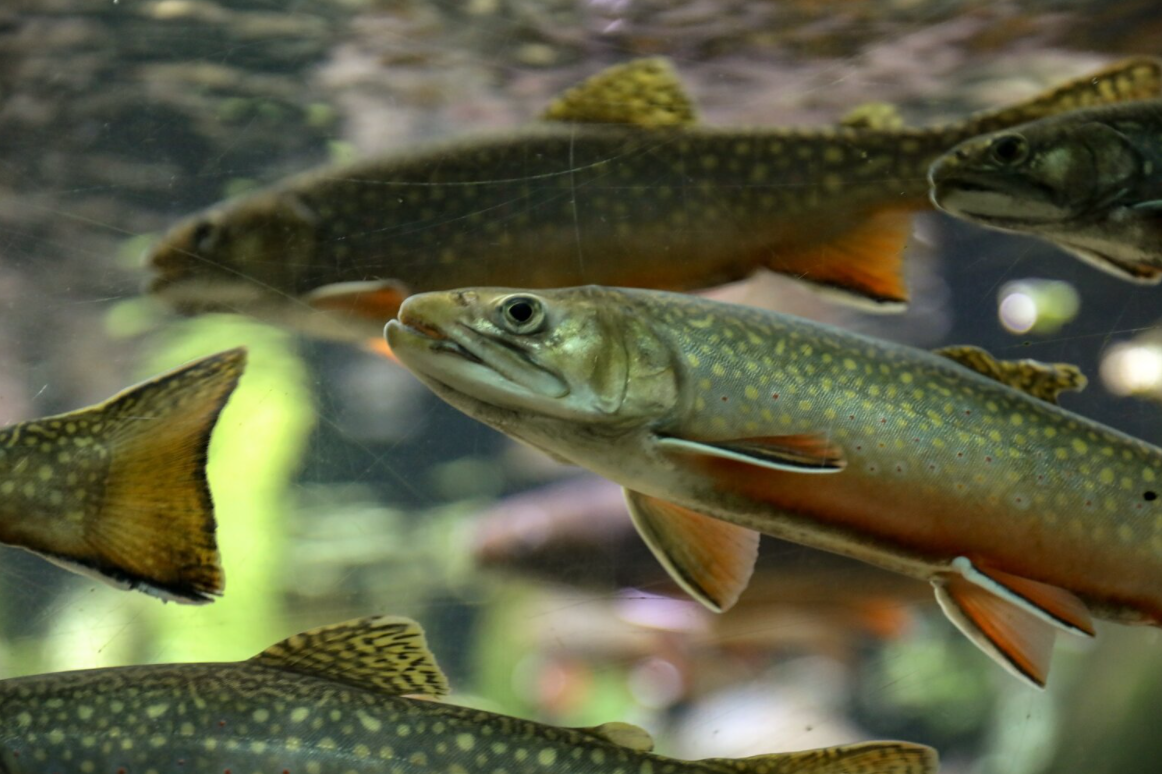
A group of researchers and members of associations is calling for a ban on the use of live fish as bait in recreational fishing. In addition to the cruelty of this practice, it would pose serious threats to biodiversity through the introduction of exotic species or the spread of viruses.

World Aquatic Animal Day
This year on April 3rd, the world celebrates World Aquatic Animal Day, a day dedicated to showing appreciation and highlighting the significance of aquatic animals. Launched by the Aquatic Animal Law Initiative as part of the Animal Law Clinic and Center for Animal Law Studies, this day is all about raising awareness through law, policy, education and advocacy to meet the immense challenges that aquatic animals face.
An Insight into Seaspiracy
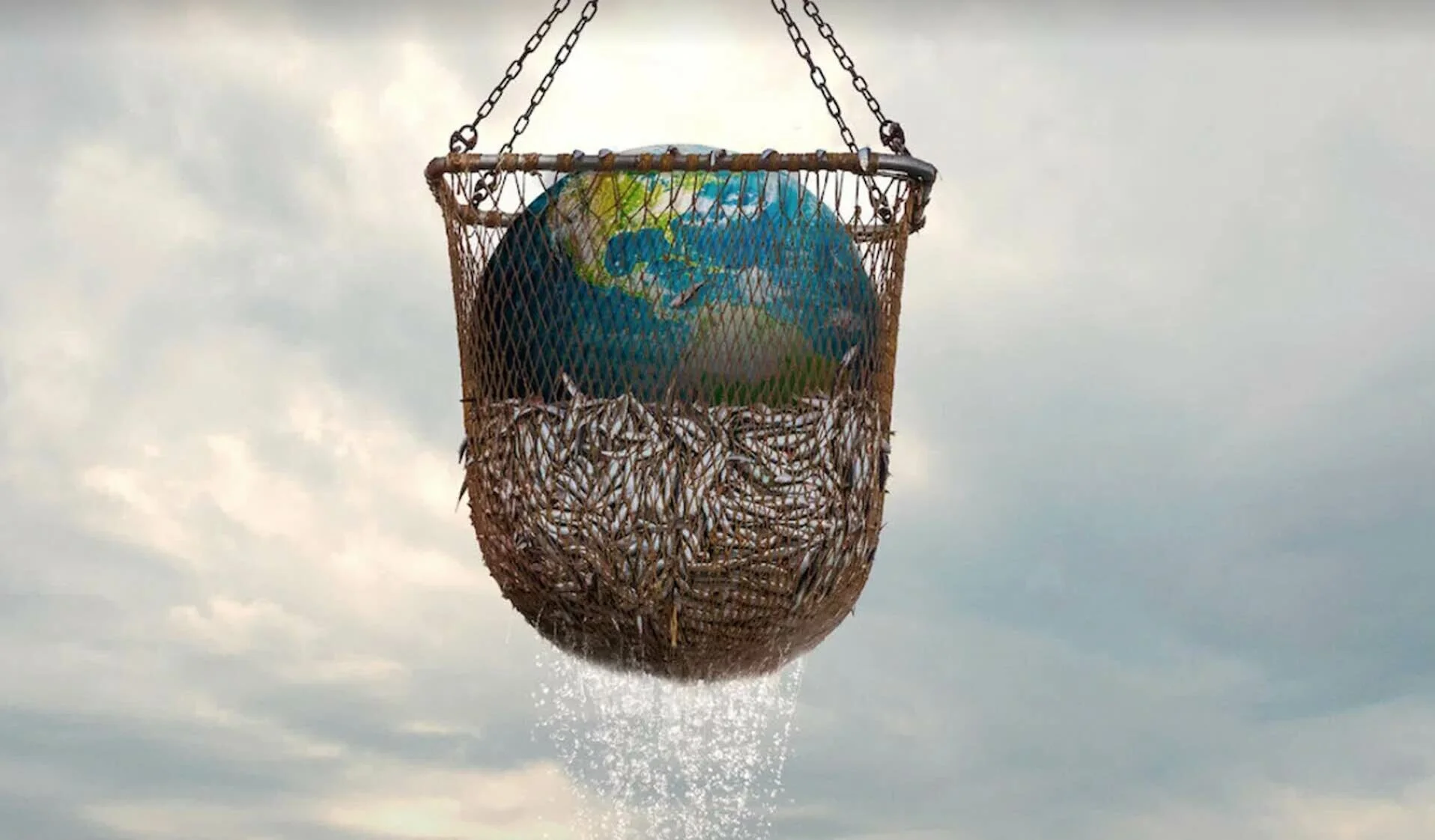
Passionate about ocean life, a filmmaker sets out to document the harm that humans do to marine species — and uncovers alarming global corruption.
Interpreting “Blue Loss”
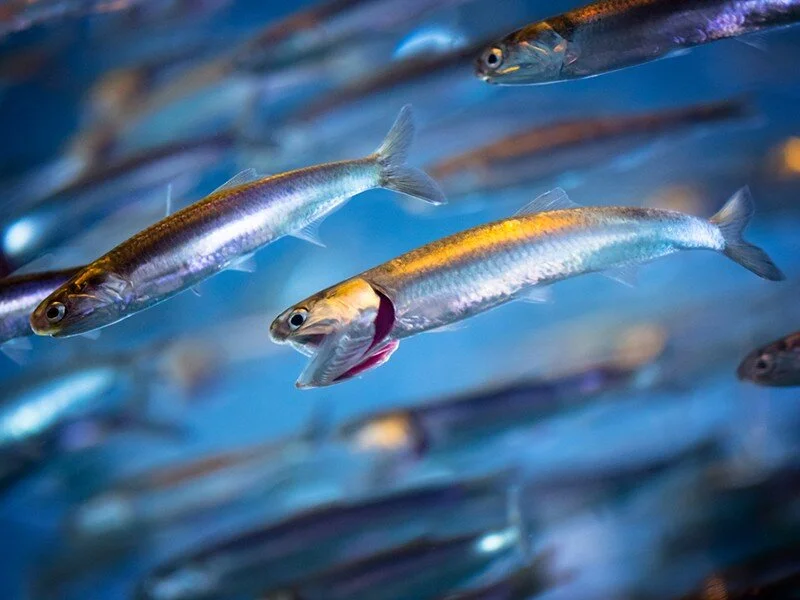
As an exhilarating month of feedback comes to a close, ALI is in the midst of shifting the spotlight to the release of our illuminating and striking report, “Blue Loss”: Estimating How Many Aquatic Animals are Hidden in the Food System, exposing a startling amount of aquatic animals that are habitually concealed from the public eye in our food system and therefore out of welfare considerations. In this report conducted by ALI’s research team, we have calculated that approximately 1.2 trillion aquatic animals comprise this “Blue Loss” every single year. In other words, between one-third to one-half of all wild-caught fish are ultimately fed to farmed aquatic animals.