
5 Plant-Based Sources of Omega-3 Fatty Acids
Contrary to the common assumption that you need fish or fish oil in your diet for an adequate supply of omega-3 fatty acids, they can actually be found in high concentrations in a number of plant-based foods. In fact, consuming fish will provide you with only some healthy fats, and the remaining fats are saturated. Fish and shellfish contain high amounts of cholesterol, and saturated fats and cholesterol increase the risk of heart disease. On a vegan diet, the risk of heart disease is minimised and heart disease can be reversed.
The main omega-3 fatty acids are alpha-linolenic acid (ALA), eicosapentaenoic acid (EPA) and docosahexaenoic acid (DHA). ALA is primarily found in plant oils, and EPA and DHA are primarily found in seafood. ALA is an essential fatty acid which means that the body cannot produce it on its own, so we need to get it from the foods we eat. The body naturally converts ALA into longer-chain omega-3 fatty acids, EPA and DHA.
In a study, vegan women were found with more long-chain omega-3s in their blood than other participants who consumed fish and meat. These vegan participants did not consume any long-chain omega 3s and consumed a lower amount of plant-derived fatty acids (ALA), but they were able to convert a significant amount of the shorter-chain fatty acids (ALA) into the long-chain fatty acids (EPA and DHA). Overall, vegans intake a higher amount of omega-3 fatty acids than the recommended amount.
Omega-3 fatty acids can help to:
Lower the risk of cardiovascular disease
Lower the risk of sudden cardiac death in individuals with heart disease
Lower blood pressure
Lower the risk of blood clots
Reduce triglycerides
Slow the rate of plaque build up in the arteries
Lower the risk of abnormal heart rhythm
Lower the risk of heart attack and stroke
Improve eye health
Reduce inflammation
Combat autoimmune disease
Improve mental health
Combat Alzheimer’s disease and age-related mental decline
Improve bone and joint health
Improve skin health
If you are interested in finding out how you can get your omega-3s from plant-based sources, here are some of the top foods:
1. Flaxseeds
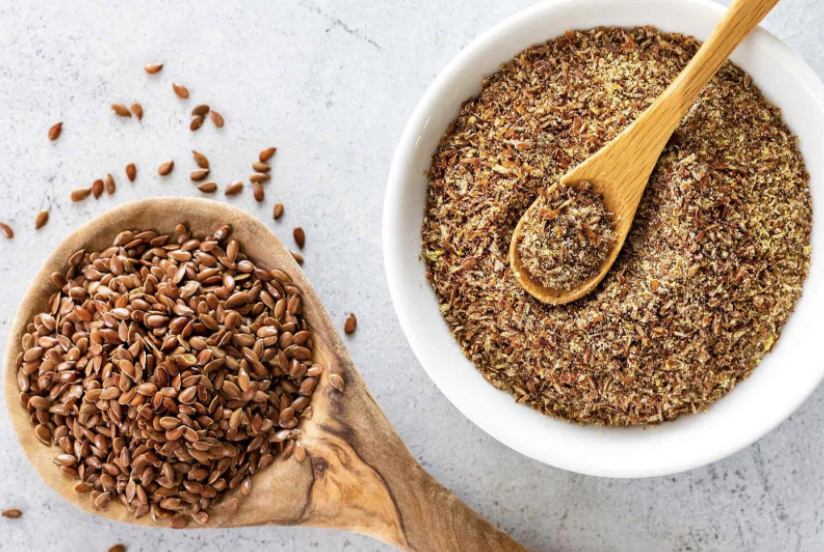
Photo: Jessica Gavin
Flaxseeds contain protein, fiber, magnesium and manganese, and are a great supply of omega-3 fatty acids.
Ground flaxseed can be added on top of salads or it can be mixed with water to create an egg substitute in baking. You can add flaxseeds to smoothies or baking batters, and flaxseed oil can be used in salad dressing and smoothies.
2. Chia seeds

Photo: DIAAFIT
Chia seeds are a great source of protein, fiber, calcium, magnesium, phosphorus, and omega-3 fatty acids.
Sprinkle chia seeds directly onto salads and yogurts or add them to smoothies. Chia seeds can be used as a replacement for eggs in baking or they can be made into a gel by mixing them with water for puddings or spreads.
3. Hemp seeds
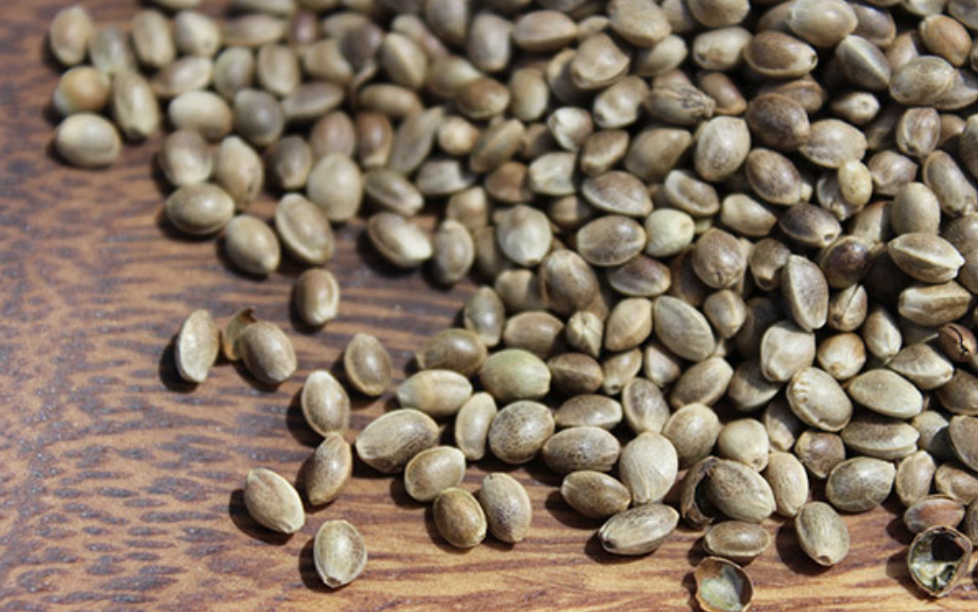
Photo: Superfood Evolution
Hemp seeds provide a great supply of omega-3s, protein, magnesium, iron and zinc.
These can be added to yogurts, smoothies and salads, or they can be blended with water to make hemp seed milk. You can also find hemp seed oil supplements at pharmacies or health stores which will give you a concentrated supply of omega-3 fatty acids.
4. Walnuts

Photo: Krasula/Shutterstock
Walnuts are rich in antioxidants, protein and omega-3 fatty acids.
Add walnuts to your oatmeal, cereal or salad, make your own walnut butter, or simply eat a handful of them as a snack.
5. Algal oil

Photo: ingredientsnetwork.com
Derived from algae, algal oil is an excellent plant-based source of EPA and DHA omega-3 fatty acids. Studies have found it to be comparable to seafood in its EPA and DHA supply.
Algal oil is another supplement you can find at the pharmacy or health store, and liquid forms can be added to drinks and smoothies.