The EU’s New 2030 Aquaculture Strategy

On May 12th, the European Commission published the new Strategic Guidelines on Sustainable and Competitive Aquaculture for 2021 to 2030. It is part of the EU’s plan to build a sustainable food system, chiefly under the European Green Deal and the Farm to Fork Strategy, which underline the potential of farmed seafood as a source of protein for food and feed with a low-carbon footprint.
According to the EU, the guidelines aim to help “build an EU aquaculture sector that: (i) is competitive and resilient; (ii) ensures the supply of nutritious and healthy food; (iii) reduces the EU’s dependency on seafood imports; (iv) creates economic opportunities and jobs; and (v) becomes a global reference for sustainability.”
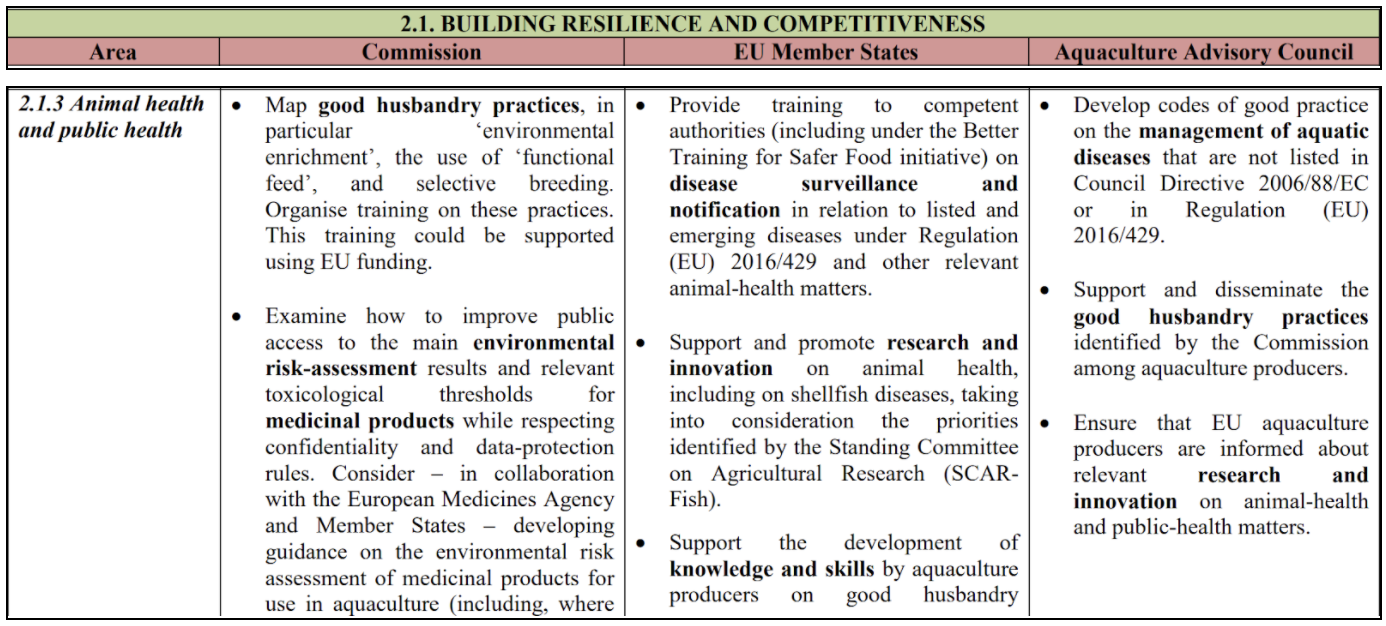
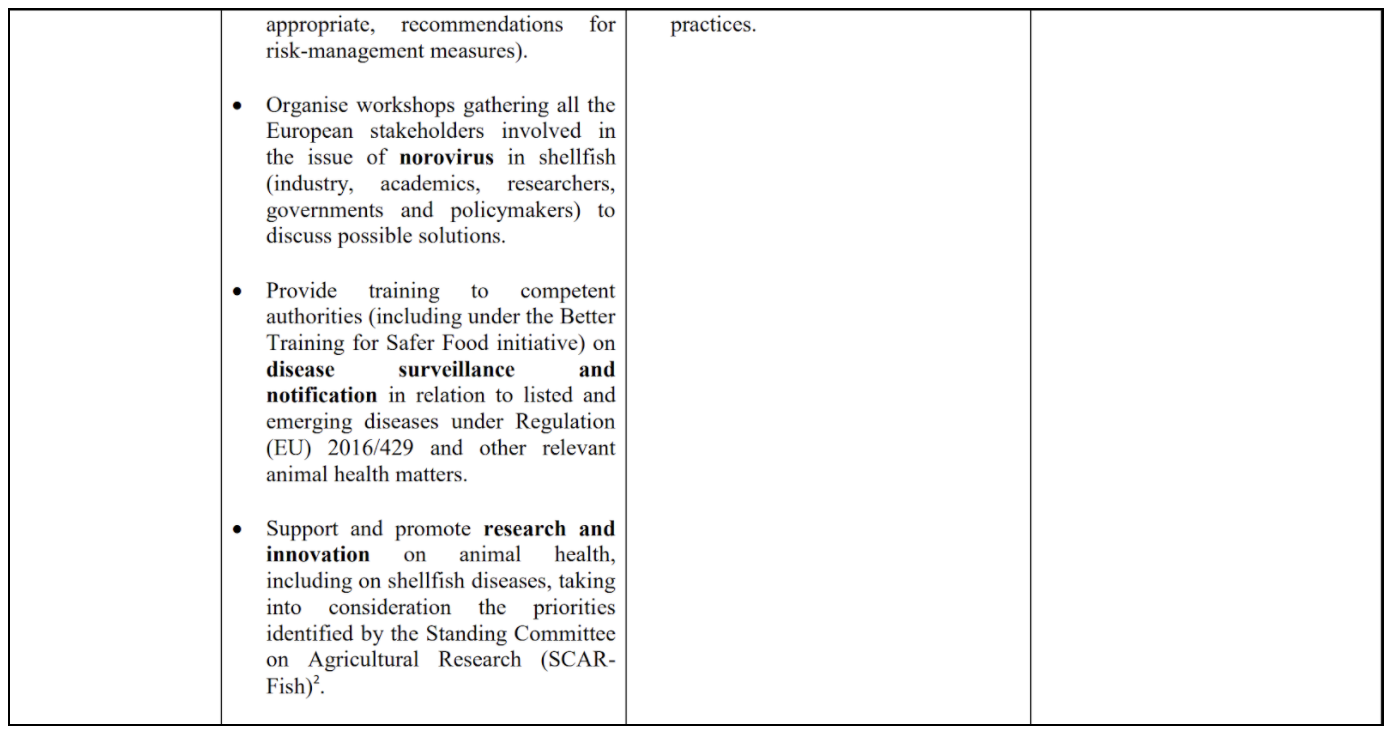
A section of the guidelines has been specifically dedicated to fish welfare (page 12). Among them, farming, transport and stunning are explicitly mentioned and also the need to further research and innovation.
In the Recommended Actions, a fish welfare strategy is detailed:
The Aquatic Life Institute is pleased to see that fish welfare has become a priority in future EU aquaculture development. As we have blogged about before, fish are capable of feeling pain and suffering, so their welfare must be taken into consideration as intensive aquaculture continues to grow globally.
Now, it is up to each EU Member State to update their national aquaculture plan to match the EU’s guidelines. At ALI, we will continue to advocate for detailed, species-specific welfare standards, such as environmental enrichment, with decision-makers around the world, including the EU. You can support our work here.