Disease in Fish Farms
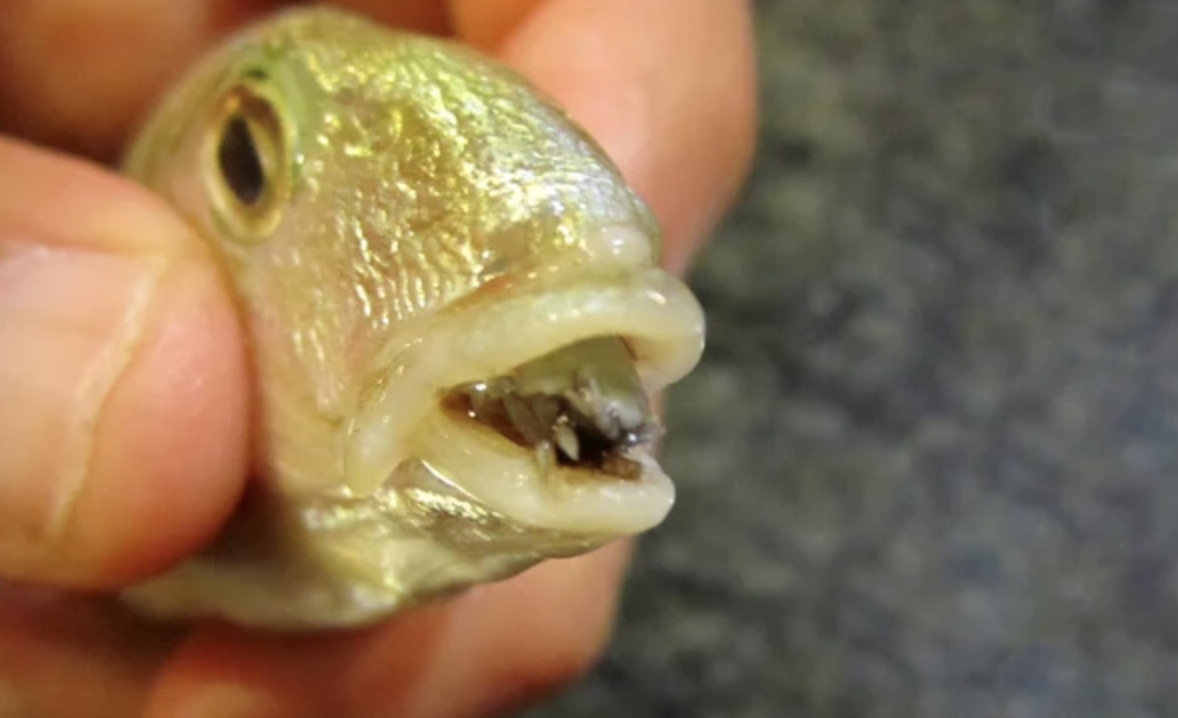
Photo: Animal Ethics
Globally, the most traded food commodity is fish. Just as we see land animals farmed in major factory settings, fish farming is a very similar concept, with aquaculture fish production reaching 82.1 million tonnes in 2018. Aquaculture is the practice of farming aquatic fish, molluscs (such as oysters), crustaceans (such as shrimp) and plants in controlled environments in order to stretch the production of these commodities.
Disease poses a major threat to these aquaculture environments with fish living in suboptimal conditions; overcrowding and low oxygen levels, poor nutrition, and living among zoonotic pathogens. Other factors that increase the risk of disease are, for example, the introduction of new species into existing aquaculture settings, poor monitoring of diseases, and climate change.
Common diseases in fish farms
Bacteria, viruses and parasites occur in natural aquatic environments but are more concentrated in fish farms. In fish that are under stress, naturally occurring bacteria in their digestive tract can become dangerous and lead to infections, and fish are often given food with high levels of lipids to augment their growth and lower costs of feed, which can lead to excessive fat in the liver. Lepeophtheirus salmonis, a parasitic sea lice in salmon, feeds on the skin, mucus and blood of salmon, causing weakening of the cardiac muscle, increased stress, and an imbalance in osmoregulation, which balances salt and water levels in a fish.
Veterinary antibiotics are used in farmed animals, both on land and in saltwater and freshwater environments to prevent disease and death, and therefore maintain and enhance production. However, antibiotics are often misused and overused, which can have an adverse effect, causing a microorganism to develop a resistance to a medication’s antimicrobial properties (antimicrobial resistance). In other words, antibiotics will kill some bacteria but leave behind resistant bacteria which then can multiply and modify to become more resistant to antibiotic drugs, heightening the risk of disease. Antimicrobial residues can be transmitted to consumers, increasing the chance of drug resistance and drug hypersensitivity in humans.
If antimicrobial resistance develops in fisheries, fish become ill and spread disease, elevating the risk of death. As a result, fish farms experience a decline in production, affecting producers and consumers, which can be detrimental to rural communities that rely on this practice for food security.
It is important however to note that there are implications for the environment and for the fish themselves. The waste given off by overcrowded fish populations, the discarding of dead, ill, or injured fish into the ocean, and chemicals to prevent disease and parasites all contribute to polluting the ocean. In an aquaculture environment, there are existing issues affecting the physical and mental wellbeing of fish, such as overcrowding and restriction of natural behaviour, and these welfare concerns are exacerbated with the presence of disease.
Of course the reason we have fish farms is to produce fish for human consumption, but a sense of self-interest has caused us to overlook the importance of taking care of our natural environment and the species we live among and consume.
Can we simultaneously tackle some of the concerns around disease, environmental pollution and fish welfare in aquaculture environments?
With the correct use of veterinary antibiotics in fish farms, the risk of disease will be lowered, however it is important that fish farmers consider all prevention strategies first. Sanitation practices, sufficient nutrient supply, vaccines and probiotics, biosecurity measures, and converting fish production waste into feed with antimicrobial properties, are all existing and emerging strategies that are useful for disease prevention. Creating cleaner environments through cleaner prevention strategies can also reduce some of the strains on the physical and mental wellbeing of fish.