
Aquatic Life Institute blog
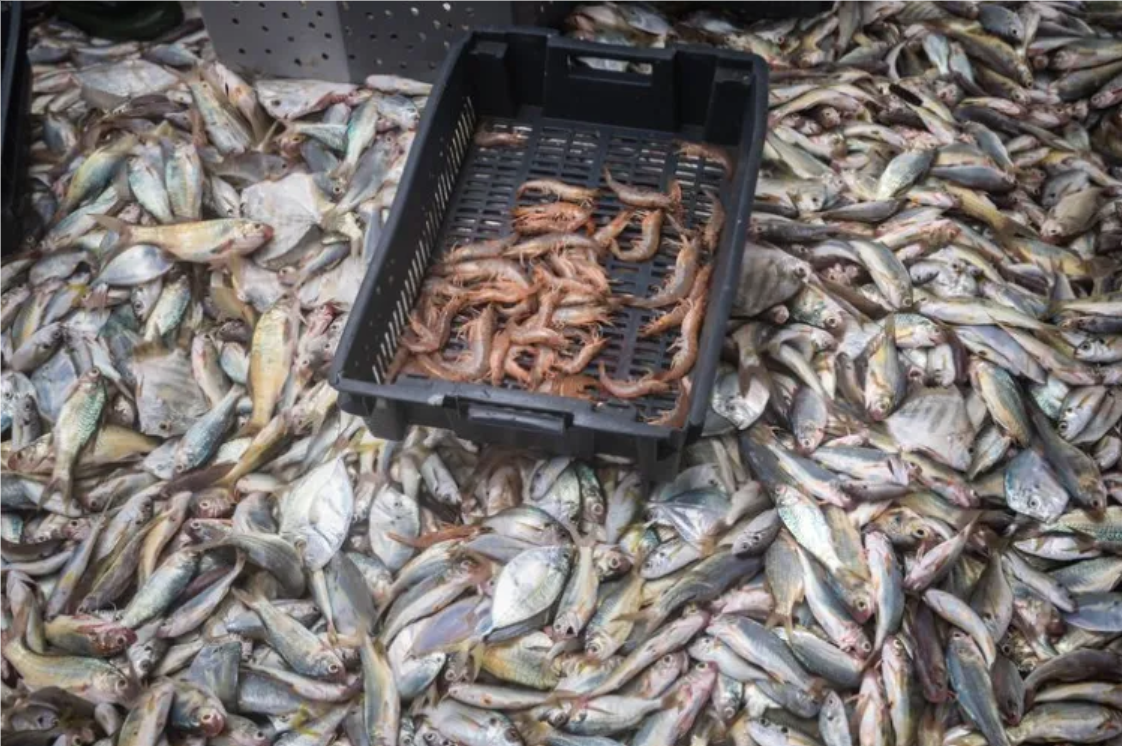
Shrimp Fishery Shut Down in Gabon
On September 17th, the Minister of Fisheries in Gabon, the Honorable Biendi Maganga-Moussavou, shut down the Gabonese shrimp fishery. The Minister joined Gabonese fisheries inspectors, national park eco-guards, Navy sailors and the Sea Shepherd crew on board the Sea Shepherd vessel Bob Barker for a three-day patrol to take action against illegal, unreported and unregulated (IUU) fishing.
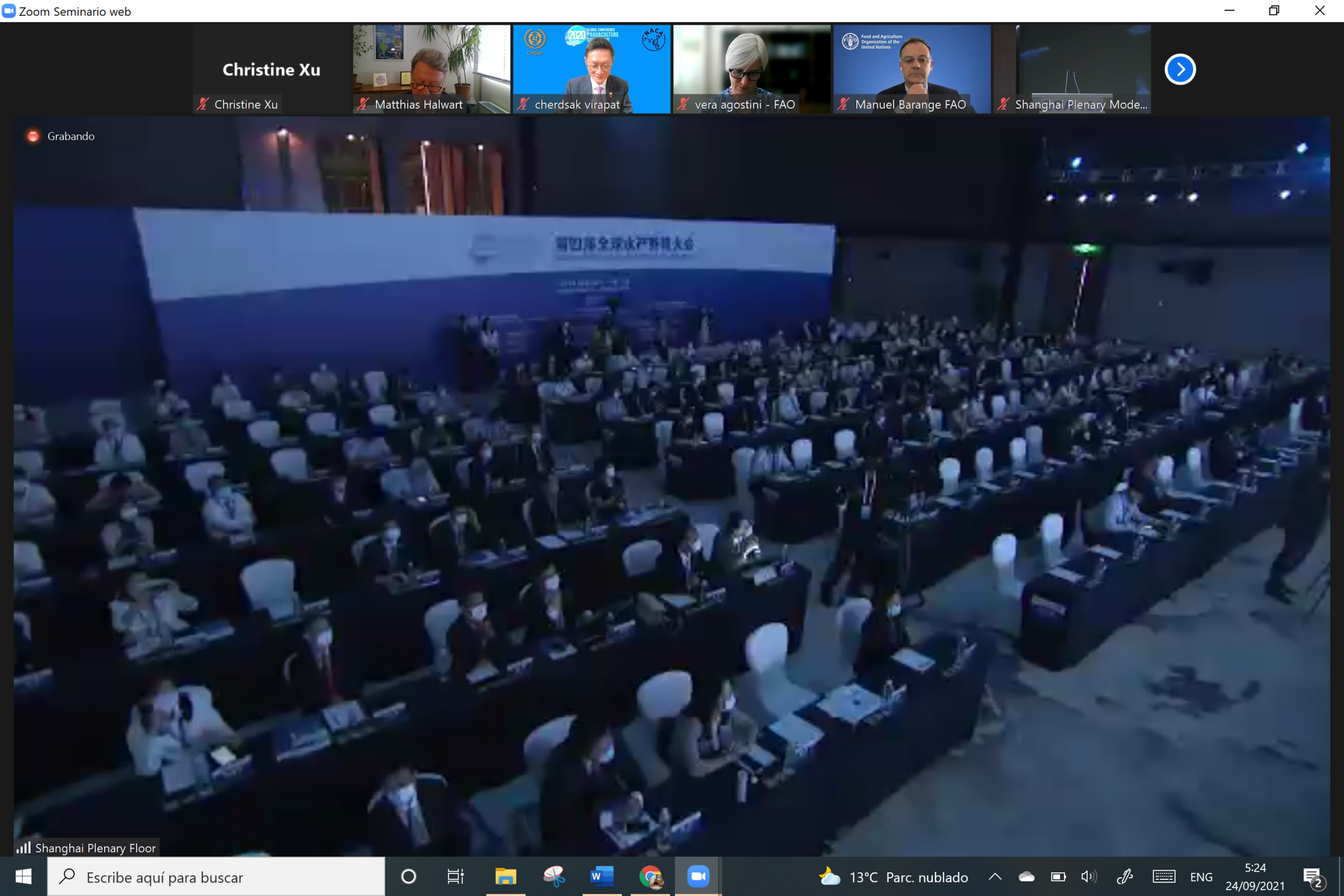
FAO Elevates Aquatic Animal Welfare
For the first time, aquatic animal welfare becomes a key focal point in high level global policy paper on sustainable aquaculture development, endorsed by the UN’s Food and Agriculture Organization.
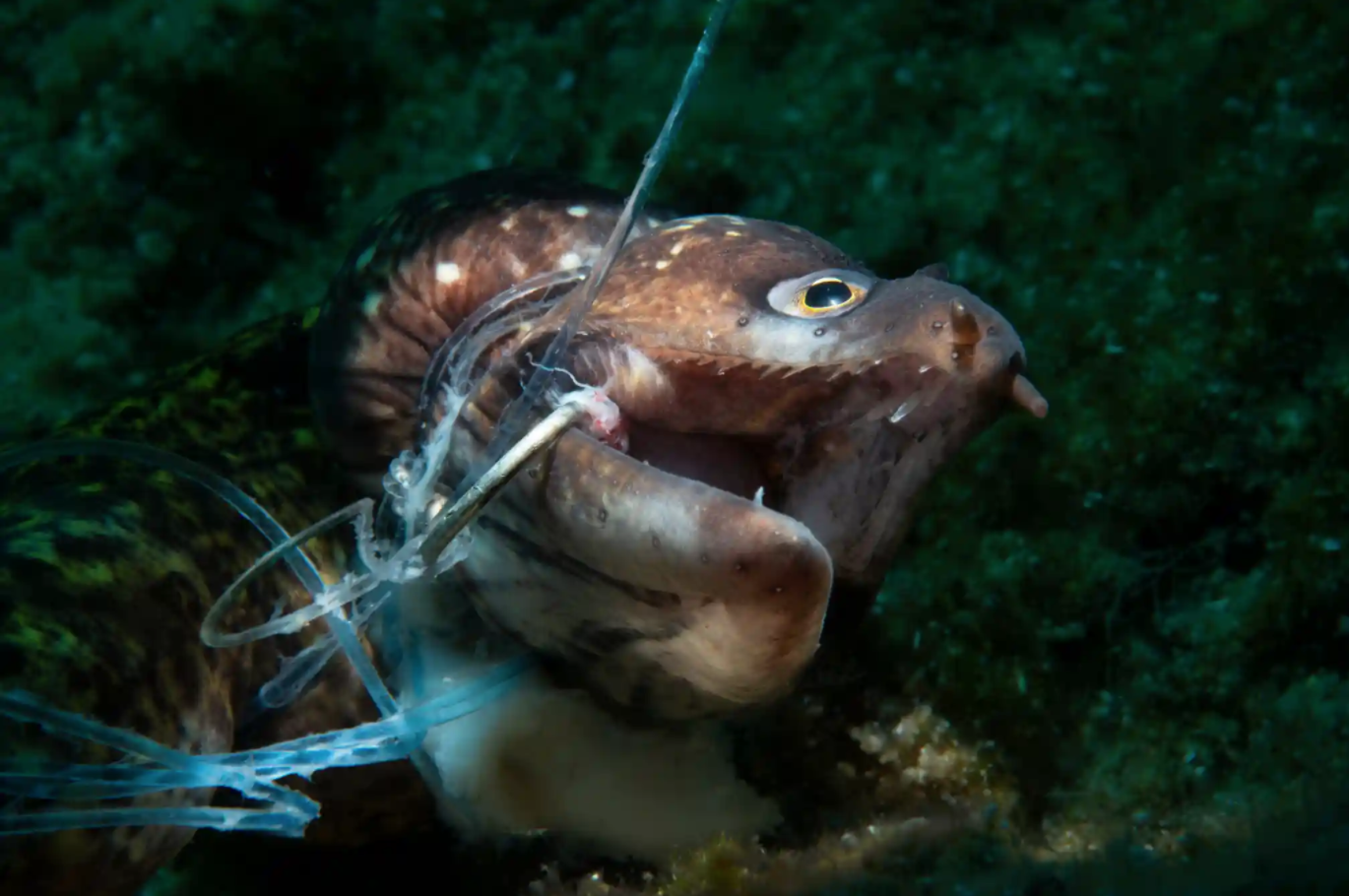
Ocean Photographer of the Year Winners 2021
The Ocean Photography Awards reveal life beneath the ocean surface; both its beauty and its distress. Photographers have captured extraordinary images of aquatic life and the plights that the ocean is currently facing, many resulting from human activity. The contrast between the two offers us a chance to recognise our harmful impacts on the environment and wildlife and how we are adversely changing their lives.

Combating Covid at the Expense of Wildlife
Since the start of the coronavirus pandemic, we have seen reductions in CO2 and NO2 emissions, but a new category of pollutants has set in. With the increased, and now widely mandatory, use of personal protective equipment (PPE), these materials are becoming a serious concern for the environment and may be an emerging source of microplastics. The materials that we are now using every day to protect us from this virus are in fact harming wildlife and there is growing evidence of this across the world.
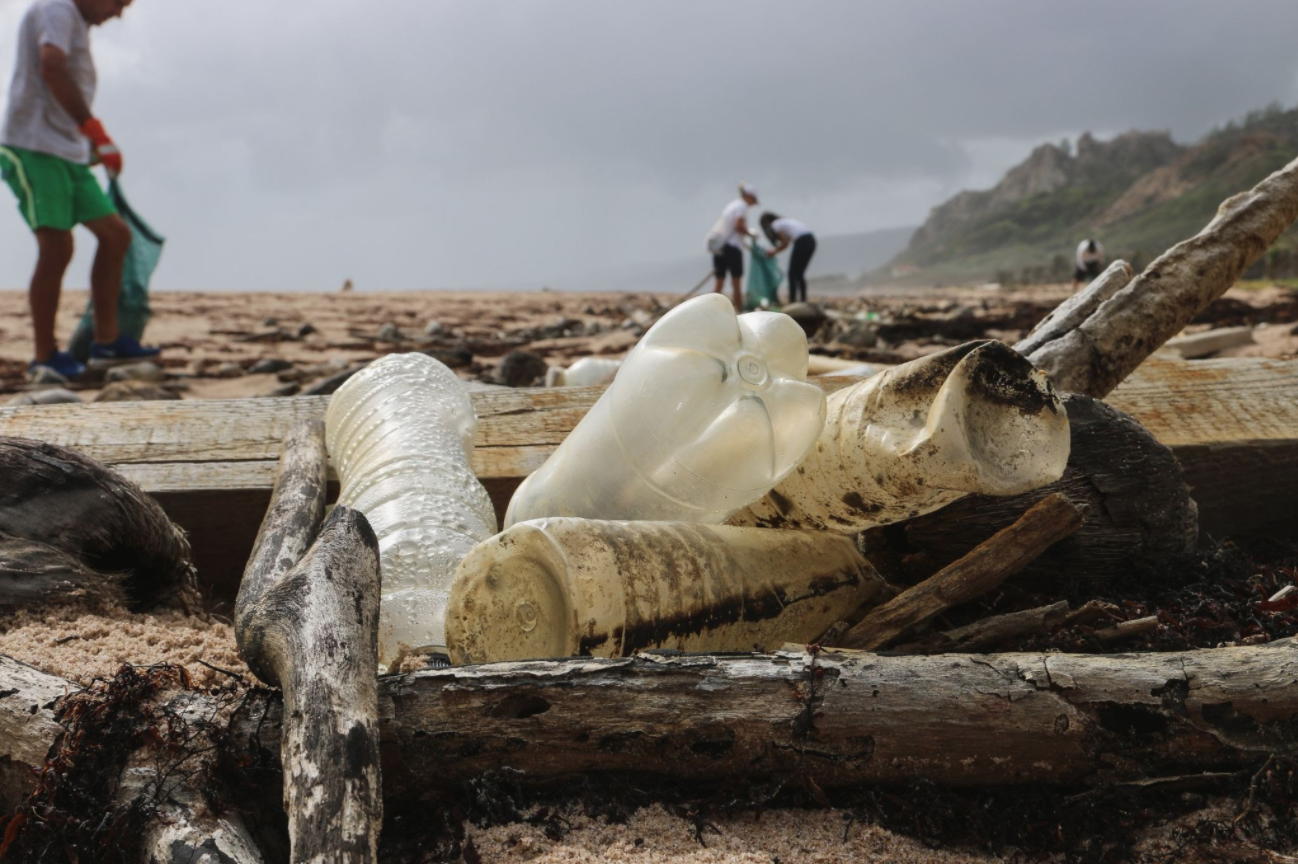
Take Part in the International Coastal Clean Up Day
On the third Saturday in September, volunteers around the world head to coastal areas for the International Coastal Clean Up (ICC) to help clean up the garbage that poses a major threat to the oceans and wildlife. The ICC started over 35 years ago by Ocean Conservancy, when communities came together to collect and document the litter found on their coastlines. This global event encourages humans to protect the oceans and waterways and to become aware of our impact on the planet.
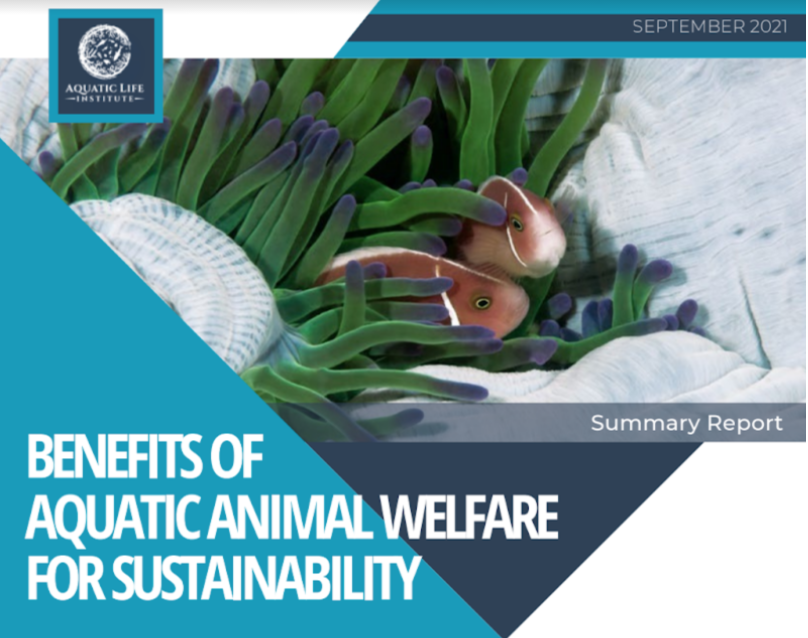
Benefits of Aquatic Animal Welfare for Sustainability
New report released by the Aquatic Life Institute underscores the importance of aquatic animal welfare in achieving global sustainable development goals.

Developing Guidelines for Sustainable Aquaculture at the FAO
The Food and Agriculture Organization of the United Nations (FAO) is in the process of developing new global Guidelines for Sustainable Aquaculture development and ALI is serving as a key stakeholder in the process.
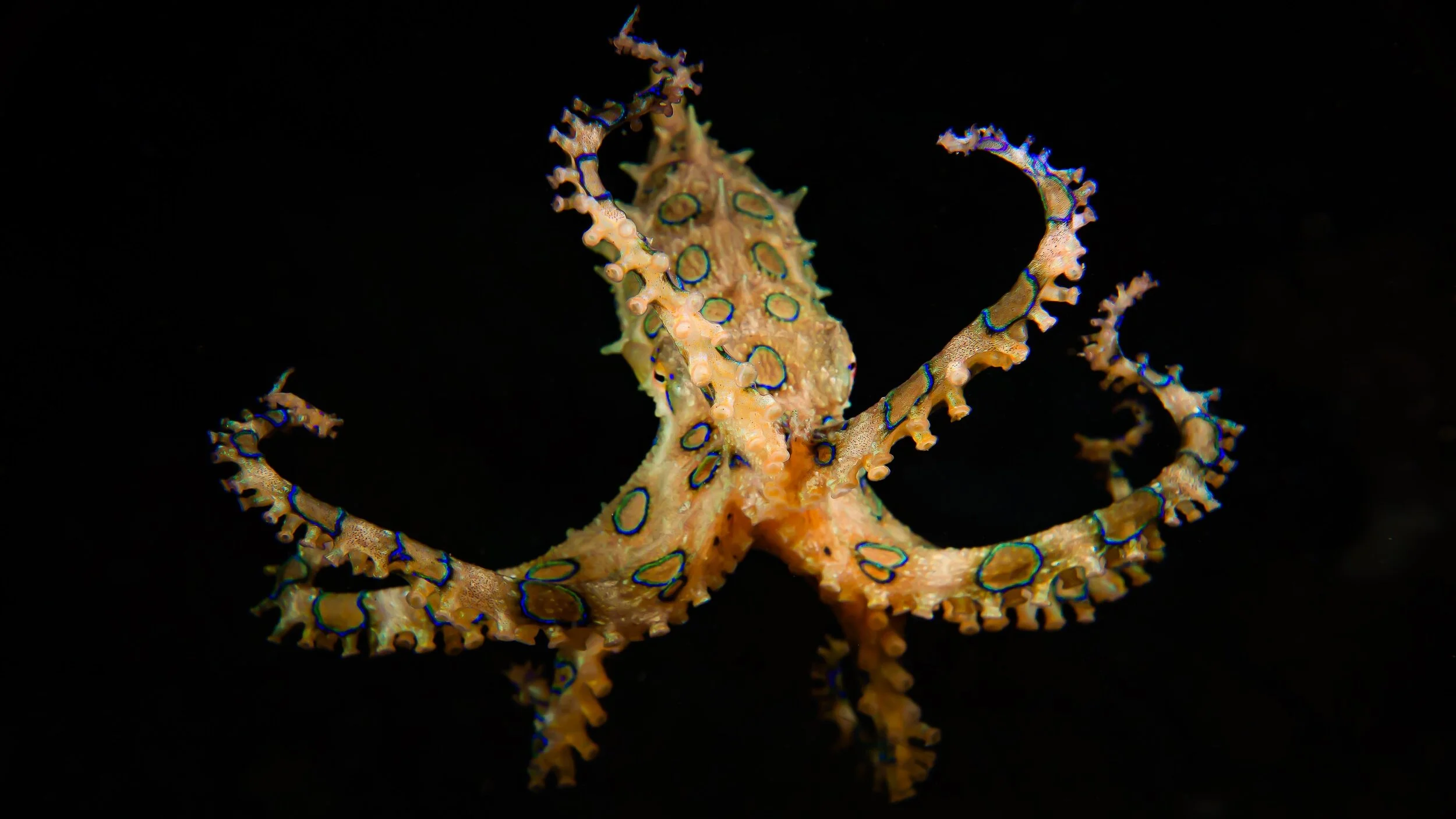
Lobsters and Octopuses Feel Pain, but are Excluded from Protections Under the Law
The UK has been historically known to be global leaders in terms of animal welfare legislation. After exiting the European Union, the UK is revising and updating many legislations, regulations and frameworks, and it appears that they want to continue spearheading the global trend of improving welfare conditions for animals in general. However, there are some key species that are missing from these strategies.
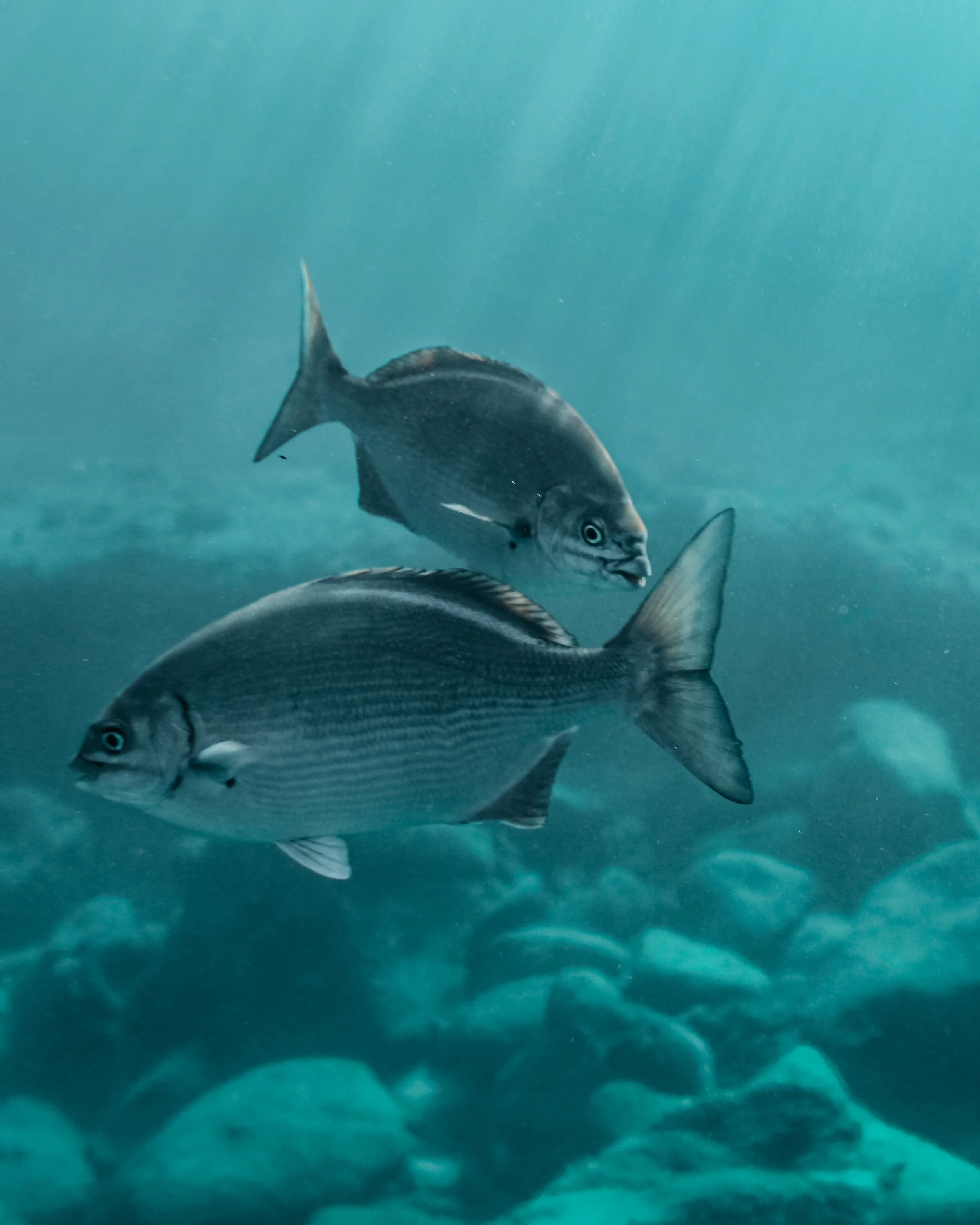
Why Fish Welfare Matters
The animal rights movement has grown into a global social movement that seeks to end the exploitation of animals by humans. Animals are subjected to suffering in a number of industries, including medical, food and entertainment industries. We have seen some improvement over the years for example in the conditions that some animals are kept, but still, the immense degree of suffering is indisputable.

The White-Spotted Pufferfish
The white-spotted pufferfish (Torquigener albomaculosus) is a type of pufferfish that was discovered around the Ryukyu Islands of Japan. Only recently have these fish been connected to a mysterious geometrical structure found on the seabed.
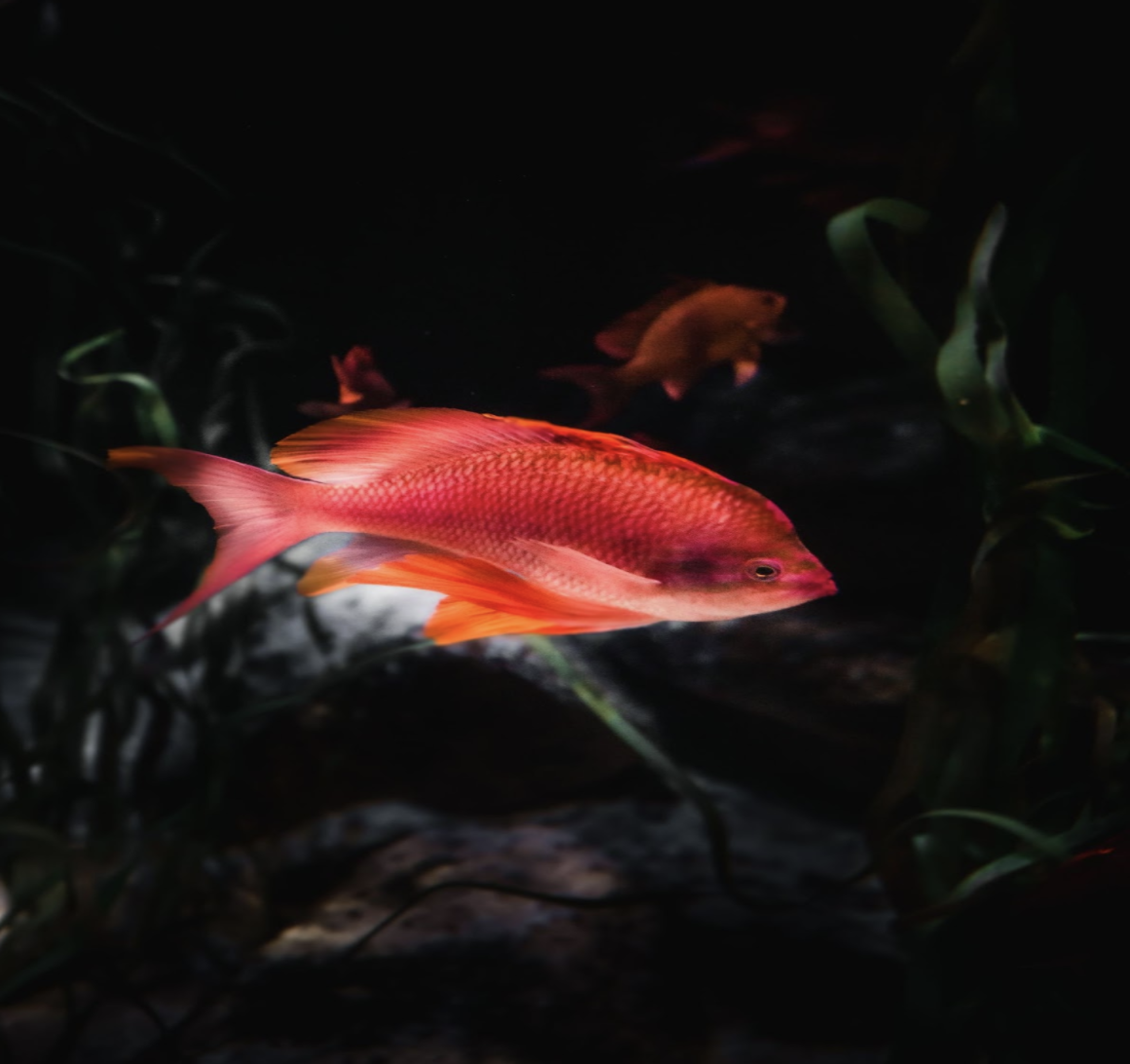
Second Annual ‘Respect for Fish Day’ - Show Your Support!
On the first of August, the second annual Respect for Fish Day will be celebrated. In Defense of Animals launched Respect for Fish Day to raise awareness about the sentience of fish and the concerns around their welfare. Despite scientific evidence confirming that fish are intelligent beings capable of feeling pain and emotions, fish are among the most abused animals and have been overlooked in animal rights discussions and animal welfare policies. Trillions of fish are caught and farmed each year and millions of others are exploited in laboratories, in the international aquarium trade, and for blood sports.

5 Plant-Based Sources of Omega-3 Fatty Acids
Contrary to the common assumption that you need fish or fish oil in your diet for an adequate supply of omega-3 fatty acids, they can actually be found in high concentrations in a number of plant-based foods. In fact, consuming fish will provide you with only some healthy fats, and the remaining fats are saturated. Fish and shellfish contain high amounts of cholesterol, and saturated fats and cholesterol increase the risk of heart disease. On a vegan diet, the risk of heart disease is minimised and heart disease can be reversed.
The main omega-3 fatty acids are alpha-linolenic acid (ALA), eicosapentaenoic acid (EPA) and docosahexaenoic acid (DHA). ALA is primarily found in plant oils, and EPA and DHA are primarily found in seafood. ALA is an essential fatty acid which means that the body cannot produce it on its own, so we need to get it from the foods we eat. The body naturally converts ALA into longer-chain omega-3 fatty acids, EPA and DHA.
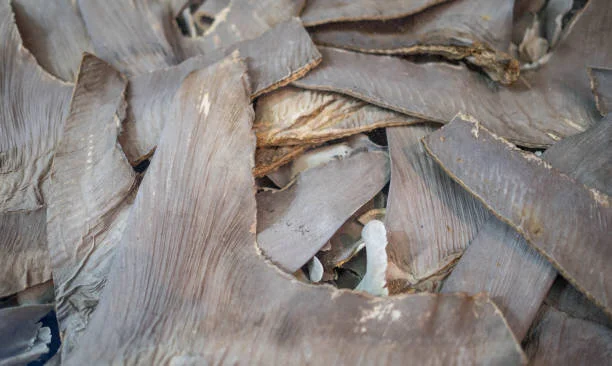
The Shark Fin Trade Around the World
The global shark fin trade is driving sharks to the verge of extinction. But there is an opportunity for US citizens to act. Read more to find out how! Happy Shark Week!
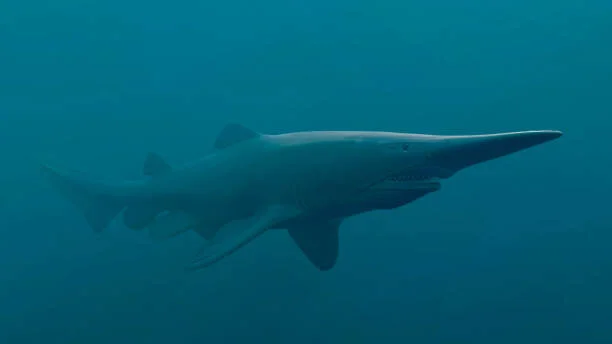
Shark Senses
Sharks have survived every mass extinction event, making them the most successful creatures in evolutionary history. But do you know what makes them so successful? Learn about their extraordinary senses and also some common myths busted! Happy Shark Week!
Disease in Fish Farms
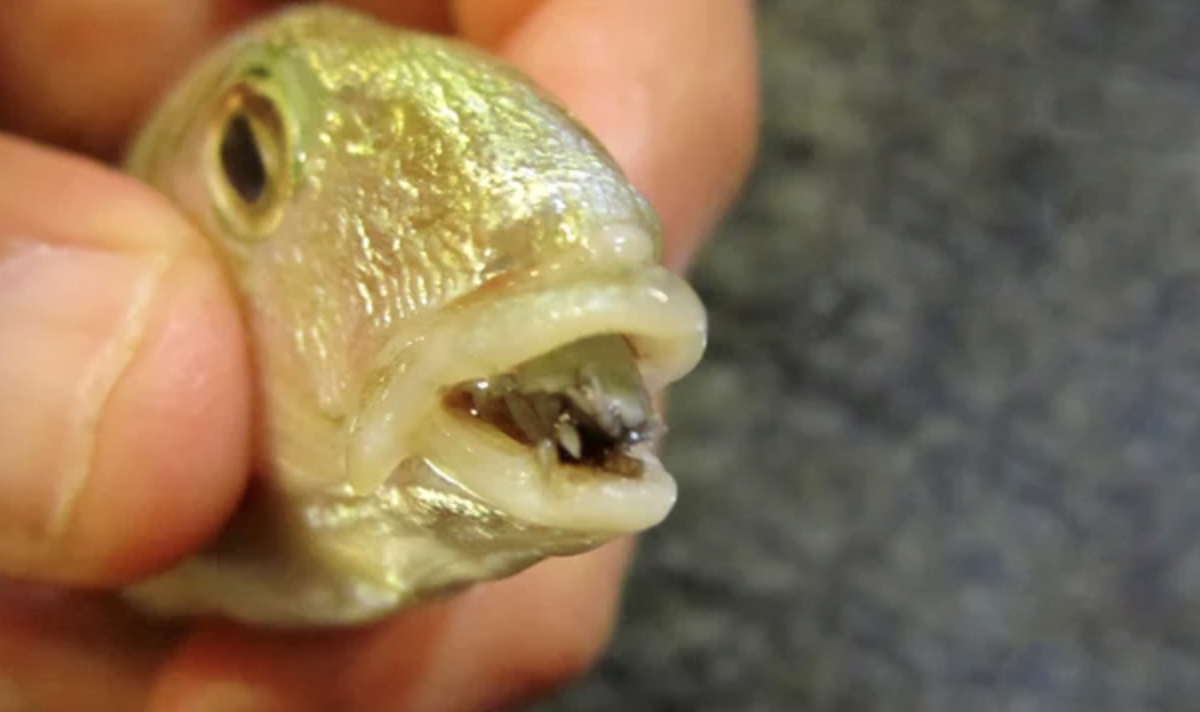
Globally, the most traded food commodity is fish. Just as we see land animals farmed in major factory settings, fish farming is a very similar concept, with aquaculture fish production reaching 82.1 million tonnes in 2018. Aquaculture is the practice of farming aquatic fish, molluscs (such as oysters), crustaceans (such as shrimp) and plants in controlled environments in order to stretch the production of these commodities.

Consumers’ Role in Improving Aquatic Animal Welfare
Annually, around 100 billion aquatic animals are farmed with a further 2-3 trillion caught in the wild to satiate our growing demand for seafood. By comparison, this is about 35 times more than all farmed land animals. Yet, the welfare of aquatic animals has been historically neglected.
Symphonies of the Sea
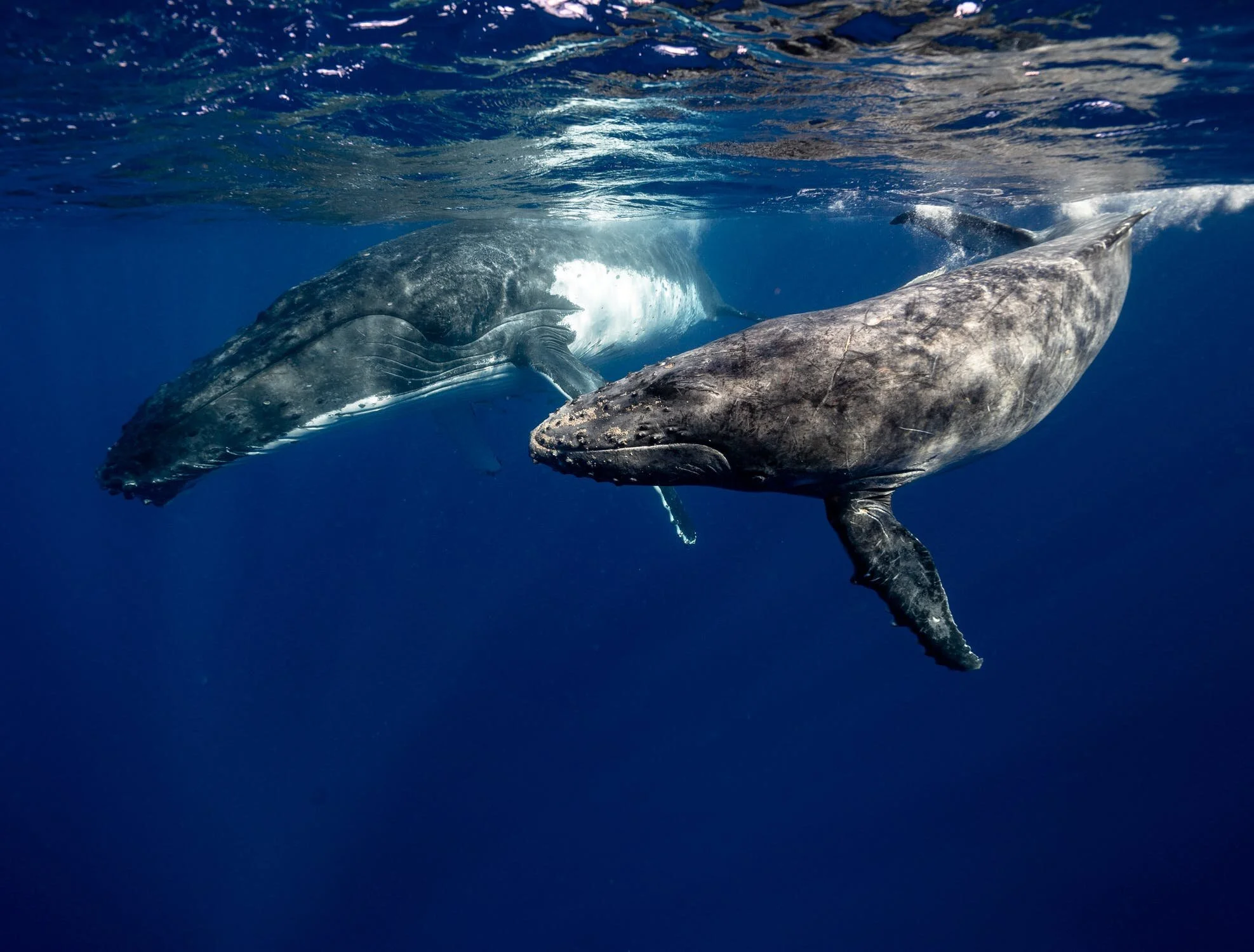
Communicating underwater is challenging as light and odors do not travel well. But, sound moves 4x faster in water than air. As a result, most marine animals depend on vocalizations to communicate. A chorus of sounds fills the ocean, and a lot of this noise comes from whales. Whales have one of, if not the most, sophisticated form of communication ever existed. They are able to hear one another from hundreds or even thousands of miles apart, which is crucial because they are very social creatures that travel, live and hunt in groups called ‘pods’. Each pod has a unique ‘language’ that helps researchers identify where their pod originated.
The Goliath Grouper, a Key Stone Species
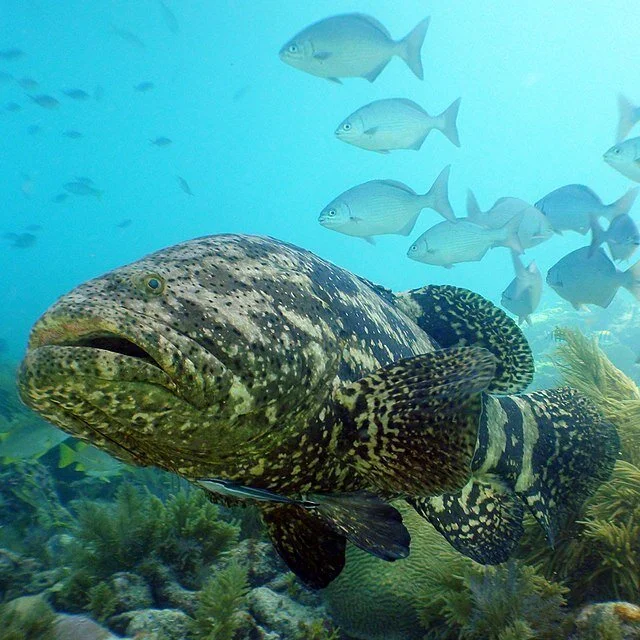
Top predators like the Goliath Grouper (Epinephelus itajara) are considered a Key Stone Species because they are essential in maintaining a balanced ecosystem by controlling mid-level predator populations, such as the invasive lionfish. The Goliath nearly faced extinction in the 1980’s due to overfishing. As a result, in 1993 a harvest moratorium was put in place for the Goliath in Caribbean waters.
New Strategy Propels International Community to Improve Aquatic Animal Health and Welfare Worldwide
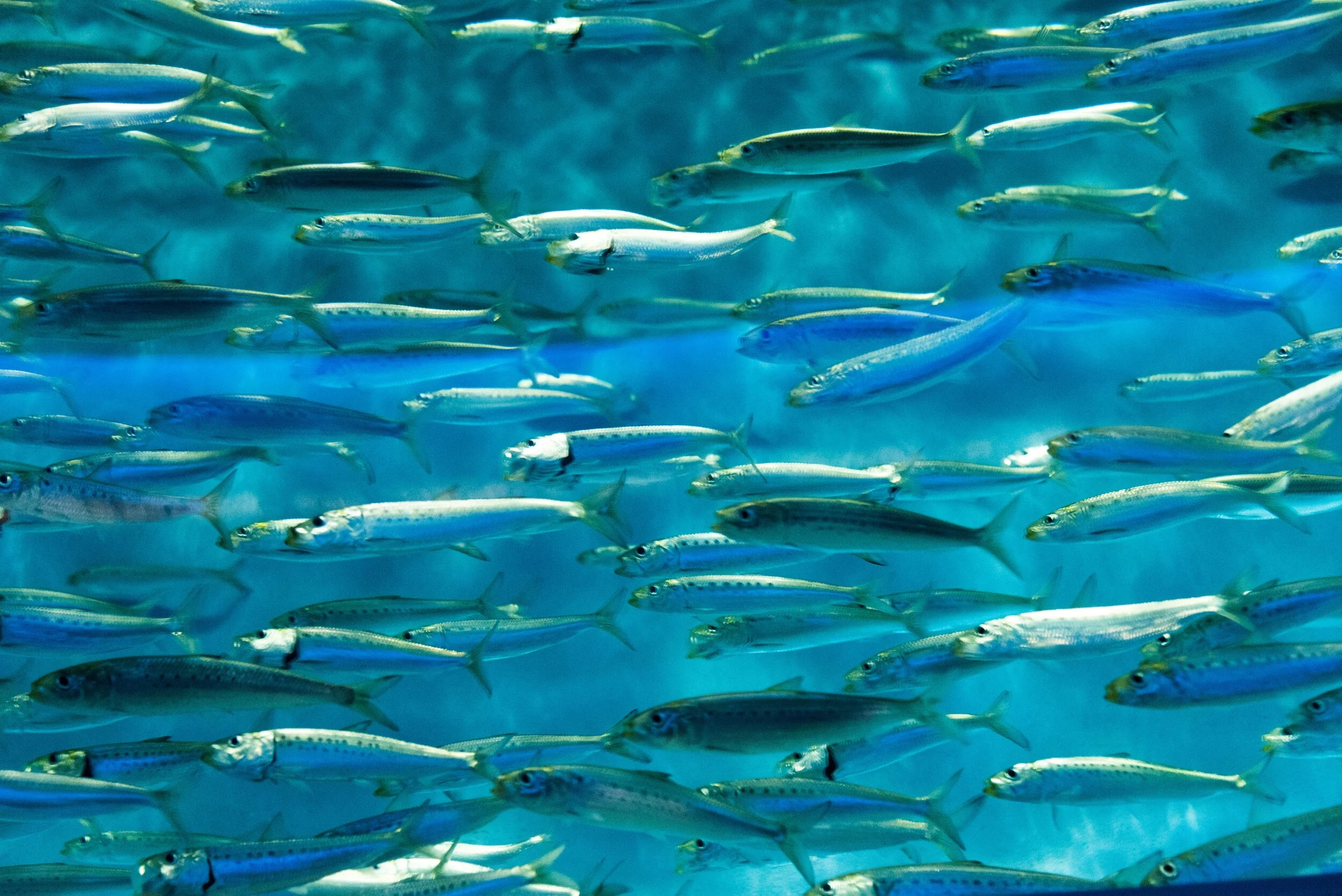
The World Organisation for Animal Health (OIE) launches an unprecedented global strategy on aquatic animal health with the support of its 182 Members. Our goal: to protect the health of life below water and ensure a sustainable future for all.
The EU’s New 2030 Aquaculture Strategy
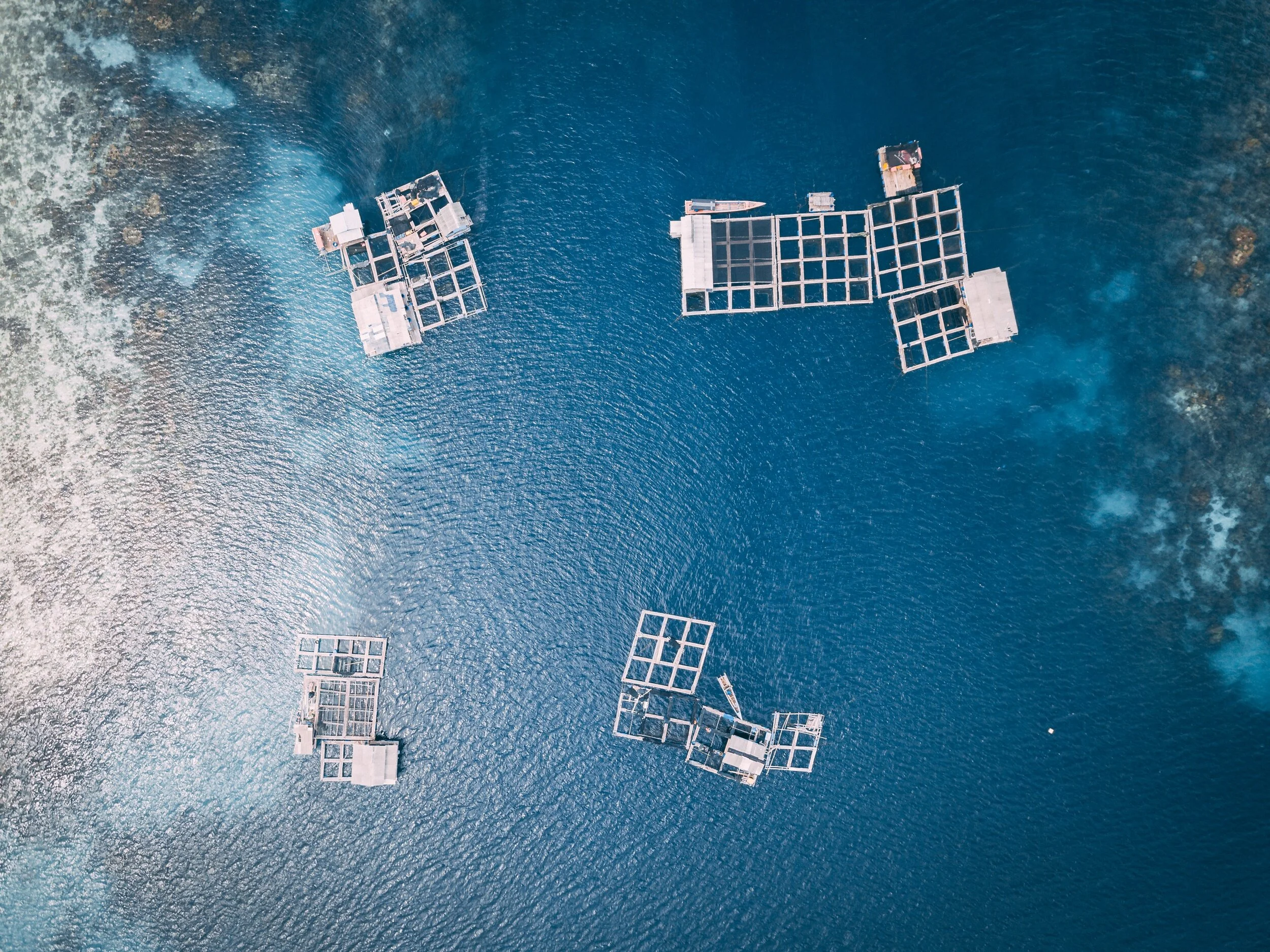
On May 12, the European Commission published the new Strategic Guidelines on Sustainable and Competitive Aquaculture, setting the stage for aquaculture development between 2021 and 2030.