
Aquatic Life Institute blog
2020 Review of Aquatic Animal Welfare from ALI
As the last blog post of 2020, we’d like to share our top stories for aquatic animal welfare from this year. In only a short few months, we have seen tremendous progress in this nascent movement, a testament to the foundational path that the Aquatic Life Institute (ALI) has been paving behind the scenes since its founding in mid-2019. Here are some highlights.

1.5 Billion Face Masks May Have Entered the Ocean in 2020
The report used a global production estimate of 52 billion masks being manufactured in 2020, a conservative loss rate of 3%, and the average weight of 3 to 4 grams for a single-use polypropylene surgical face mask to arrive at the estimate.
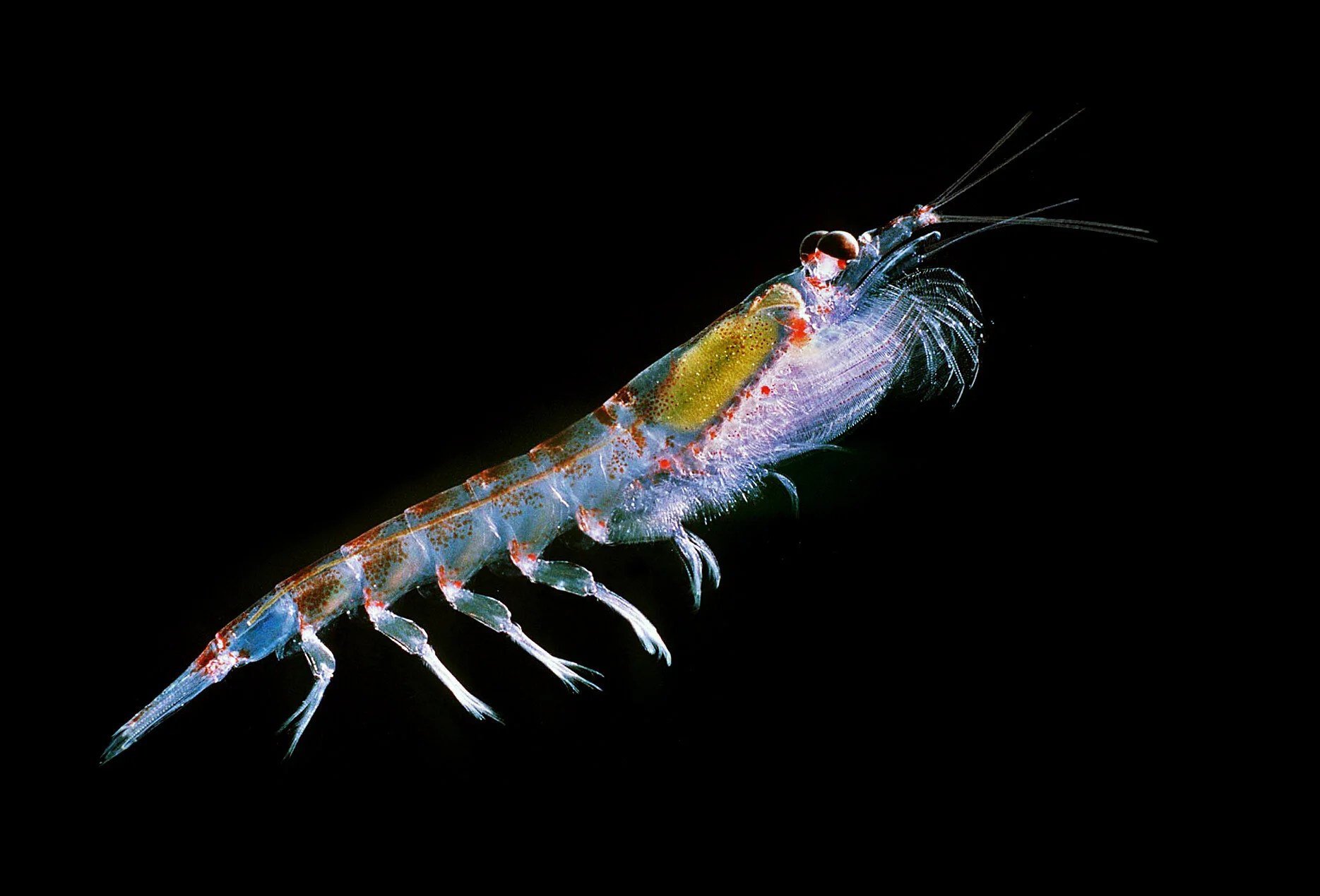
Krill Supplements for Cats and Dogs Threaten Food Supply for Seals and Penguins
Fisheries in the region operate under a quota, but the system is not sufficiently responsive to annual changes in condition, such as increasingly warming temperatures, which can leave krill in short supply, Mr Kirby said.

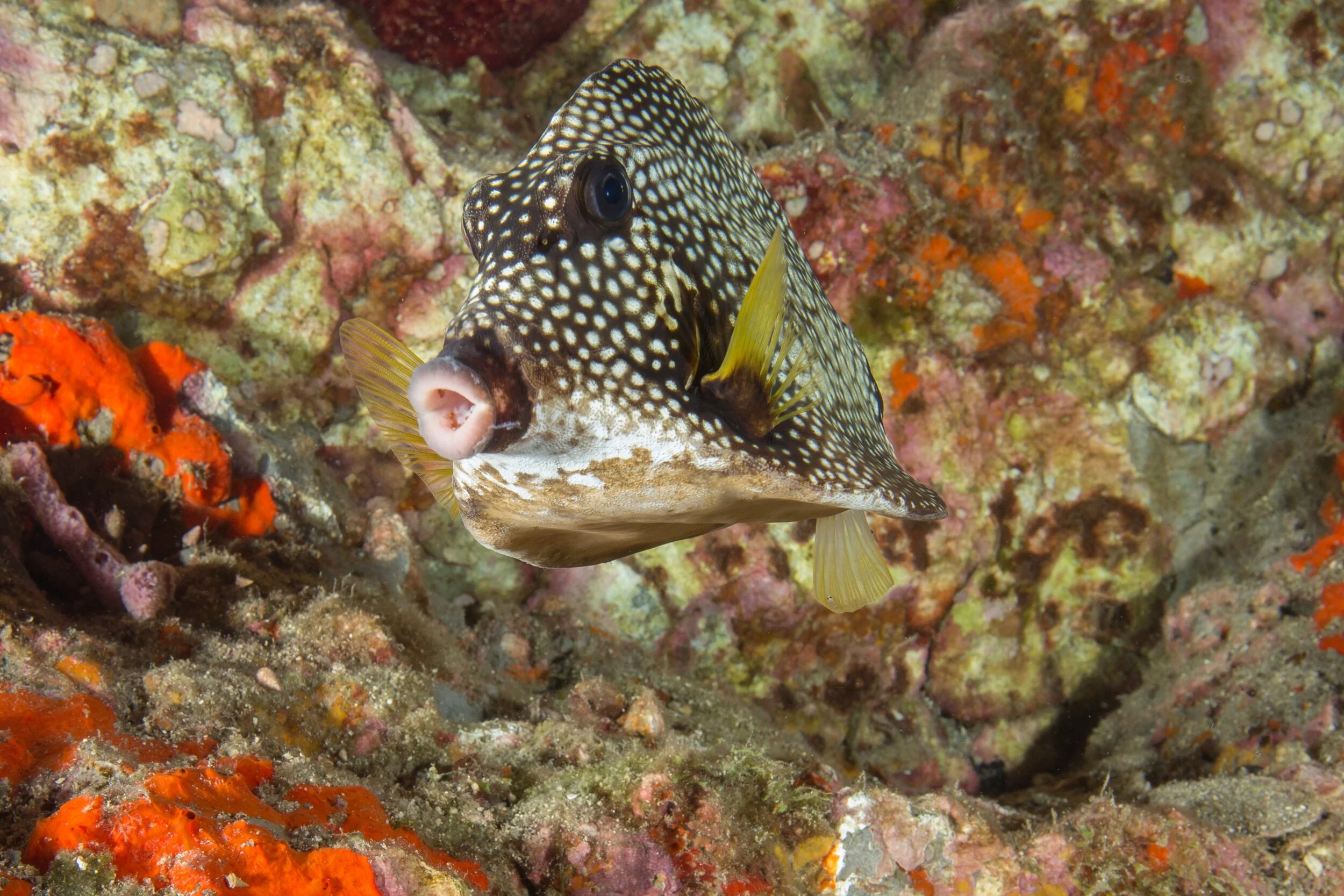
Beautiful Aquatic Photographs from NPOTY 2020
Here are a few of the incredible photographs from this years Nature Photographer of the Year 2020 competition. The winners and runners-up were announced at the Nature Talks photo festival in the Netherlands.
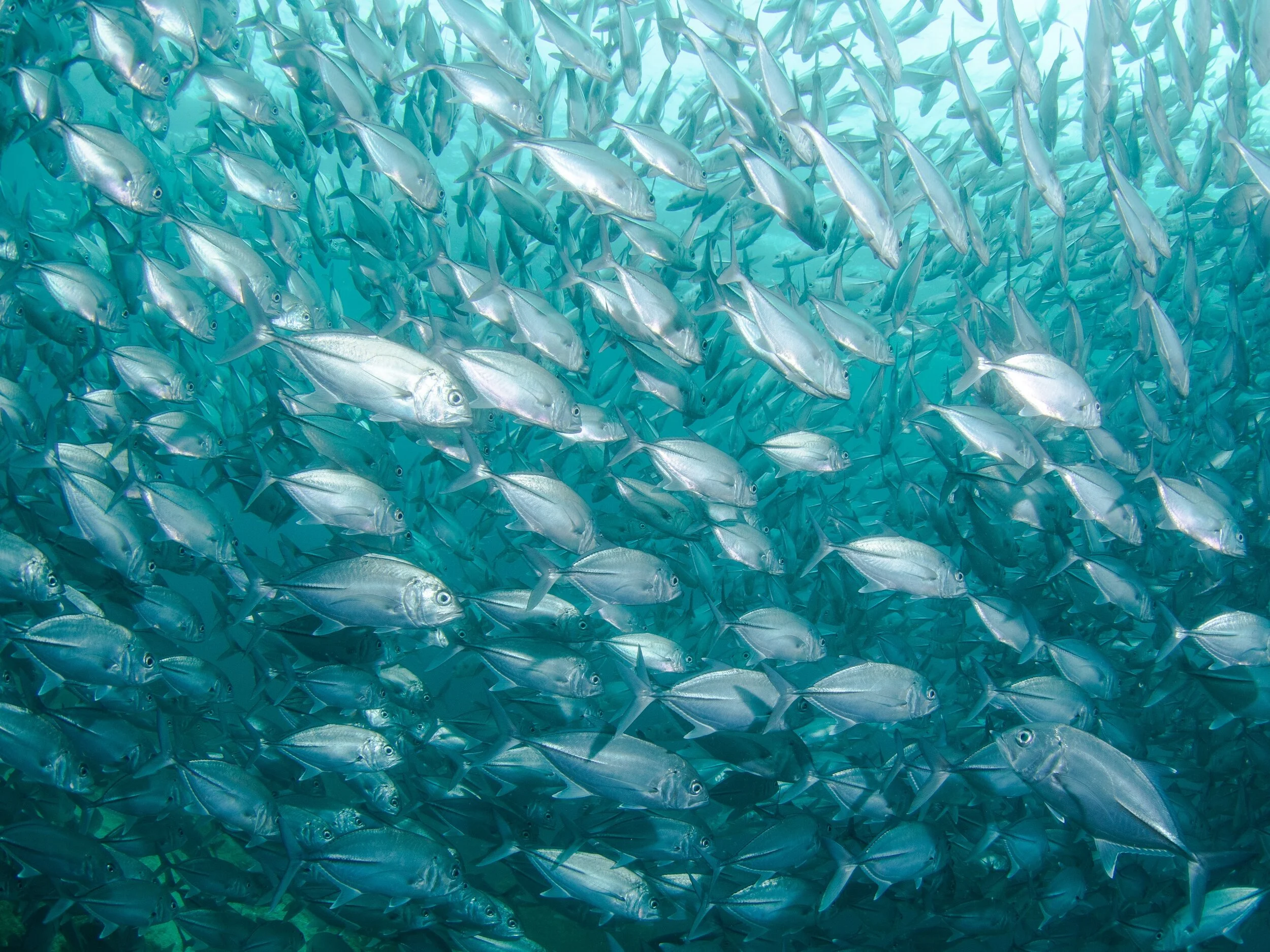
Animal Welfare: a Crucial Issue in Fish Farming
While this end of the year is crucial for the orientation of fish farming with the establishment of an operational program and a sector plan for the coming years, around twenty associations and around fifty personalities are pleading for better consideration of animal welfare and recall the challenges of fish farming in this area.
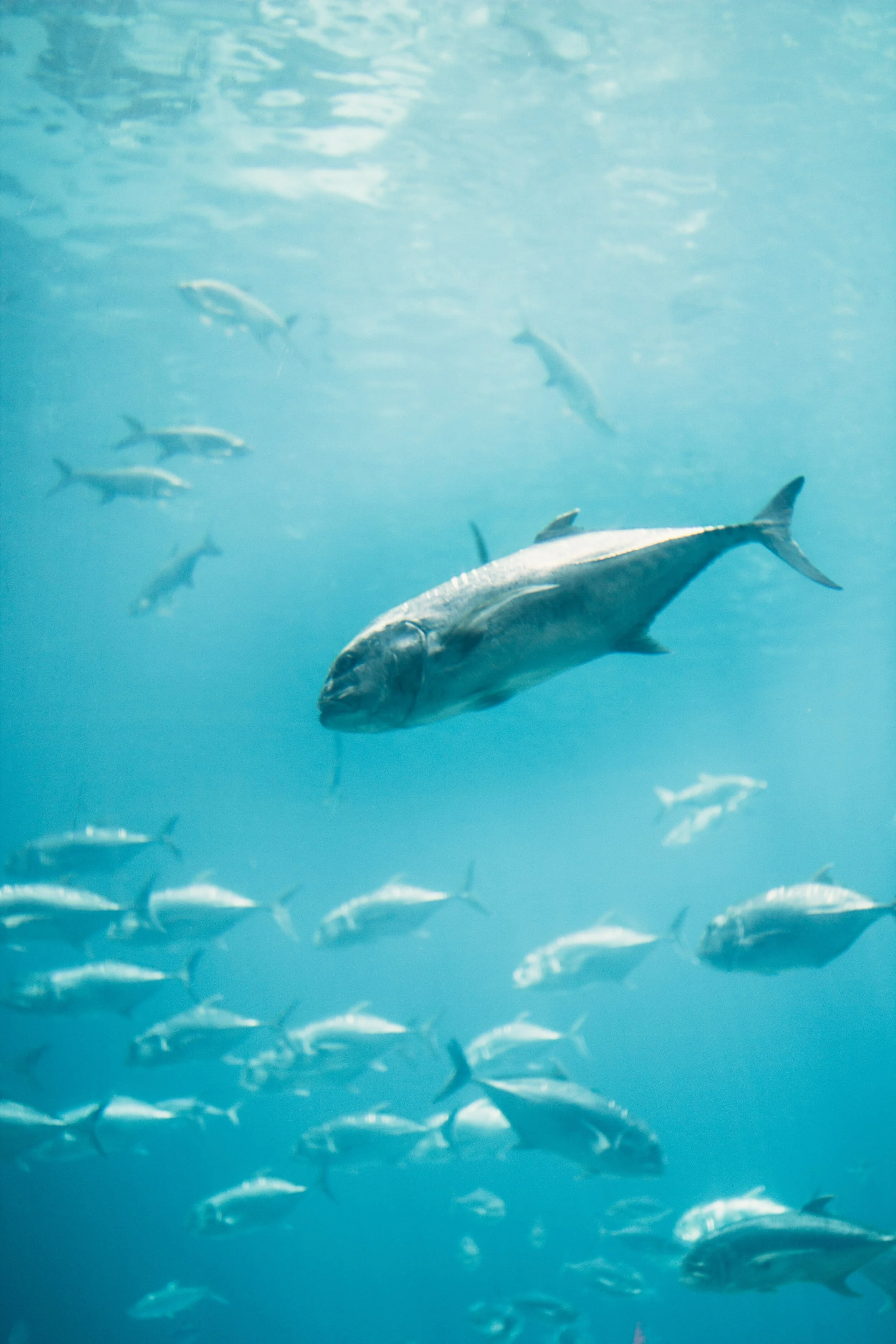
Policy Work in France
Scientific work seems to show that a stimulating environment has a positive effect on the well-being of the animals because it allows the expression of natural behaviours, cognitive development and seems to reduce stress.
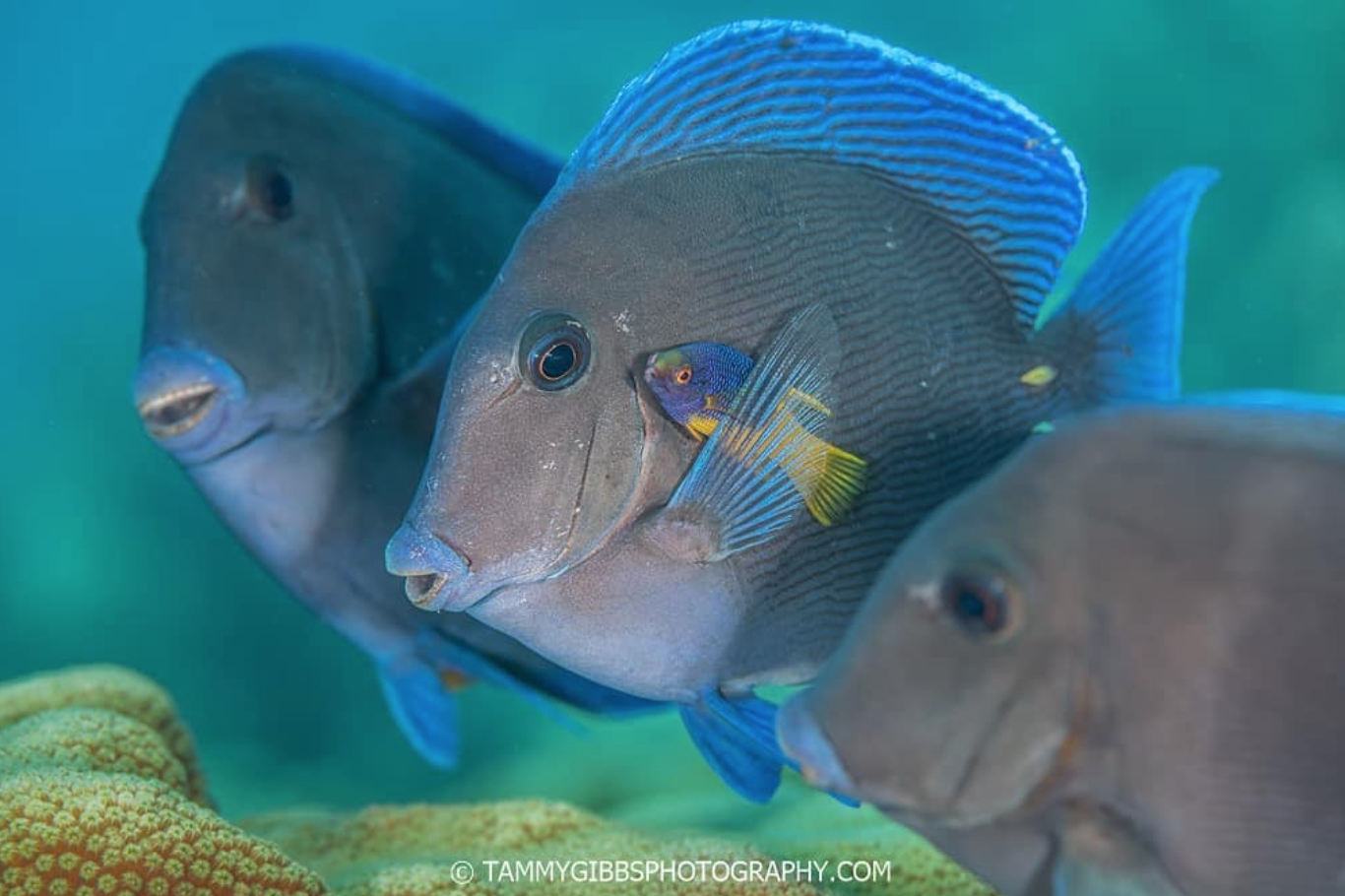
Are Fishes as Forgetful as We Think?
Studies have found this to be untrue, fishes who were taught specific tasks such as favouring certain objects or how to escape a trap remembered and could still complete the tasks months later.
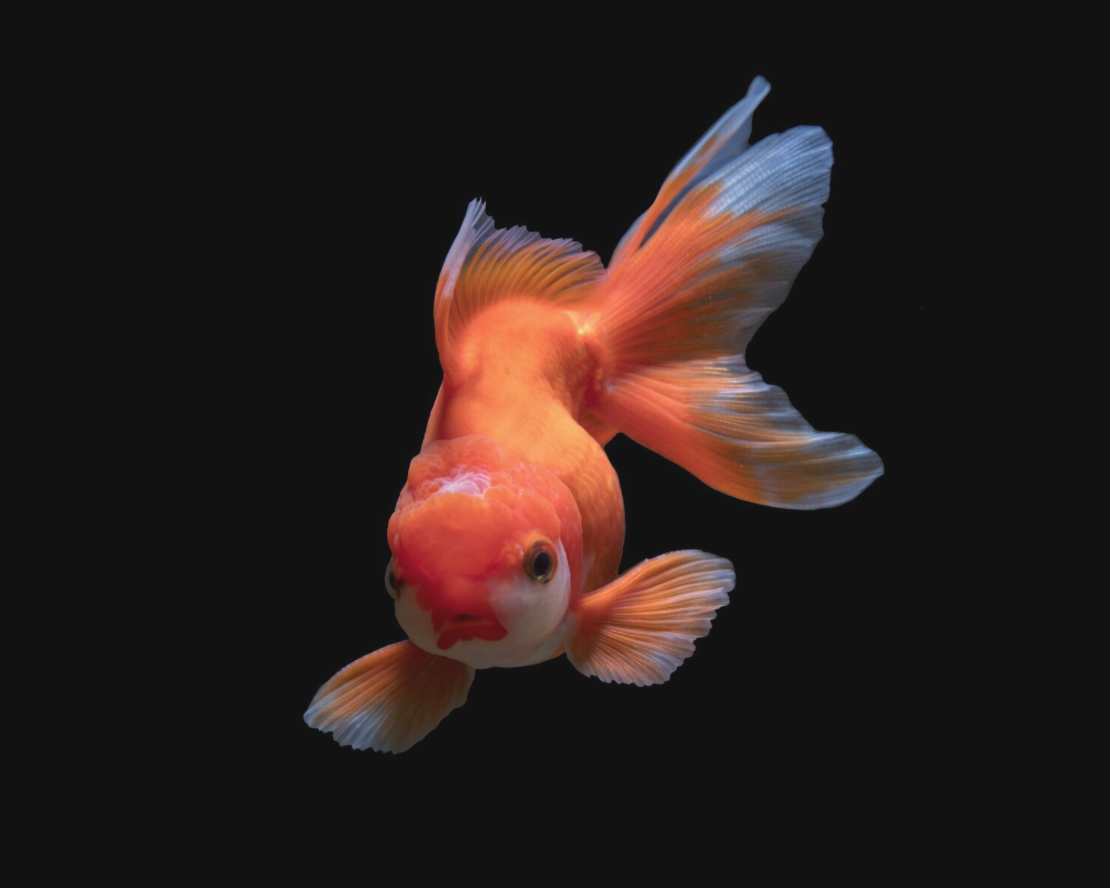
Fish Welfare over the Holidays
As we approach the holidays, I encourage you to help spread the word to your family and friends that fish are sentient beings and deserve welfare considerations just like terrestrial animals.
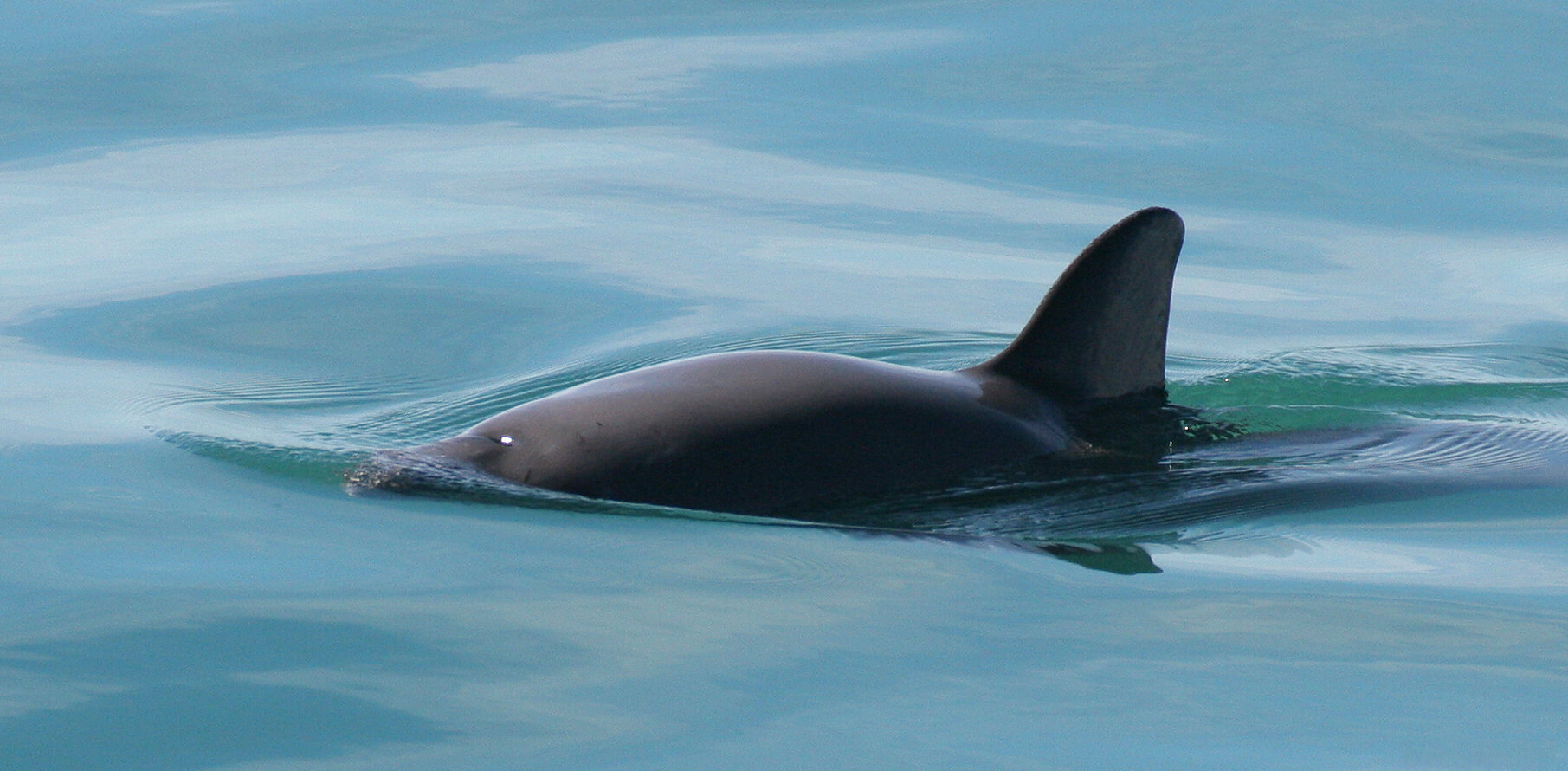
World’s First Hackathon to Save the Vaquita!
The Conservation Project International launches Vaquita Hacks, the first international hackathon designed to save the vaquita from extinction.
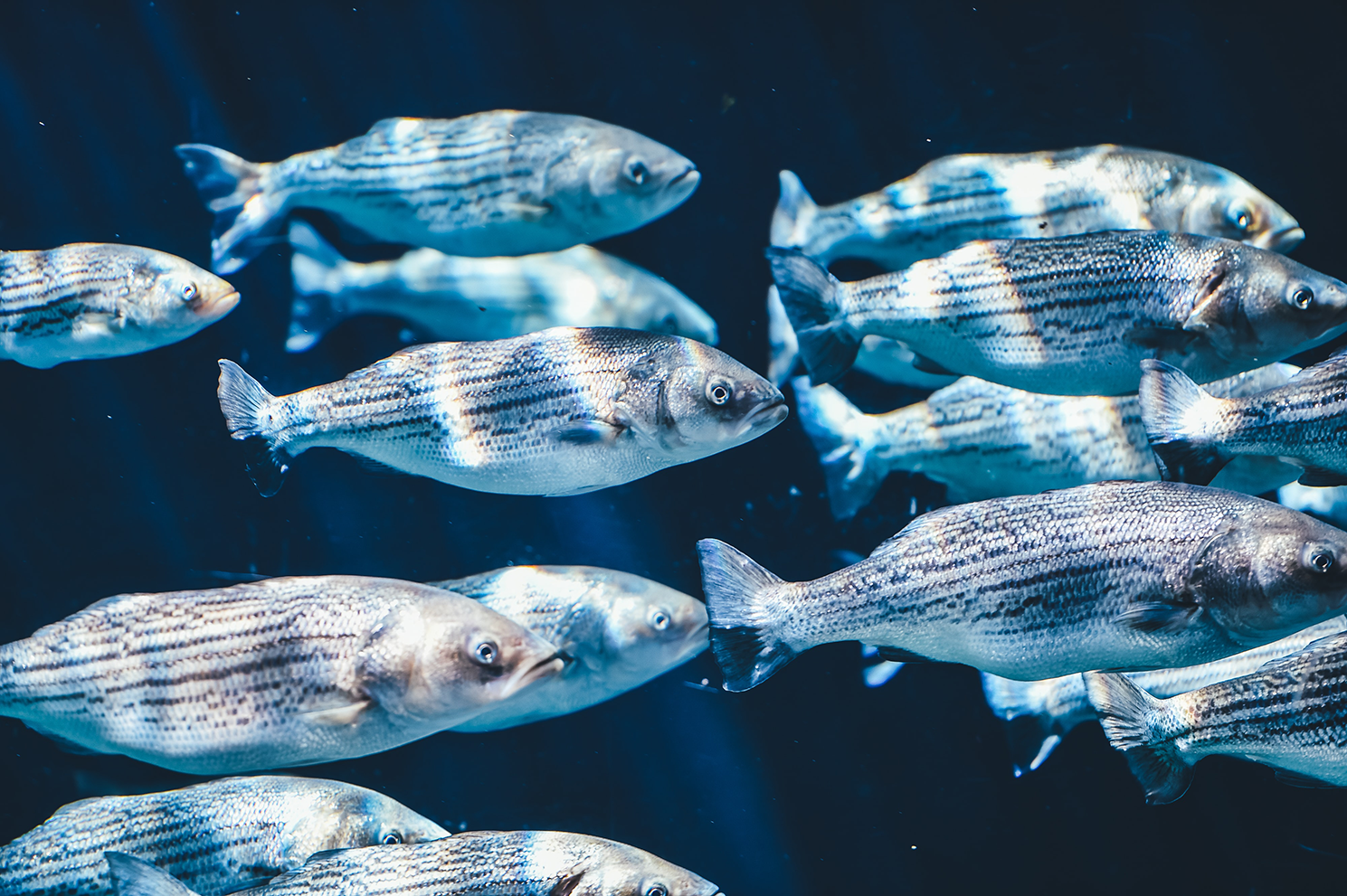
Governments Pledge to End Overfishing!
The leaders of the 14 countries set out a series of commitments on Wednesday that mark the world’s biggest ocean sustainability initiative, in the absence of a fully fledged UN treaty on marine life.

Announcing the Aquatic Animal Alliance!
We believe collaborative work as a coalition has the potential to be much more effective and impactful than multiple individual efforts by various animal protection organizations. We fear that if multiple organizations ask certifiers, labeling regimes and producers for many different standards, the effect may be that the lowest ask is what gets enshrined in the standards.
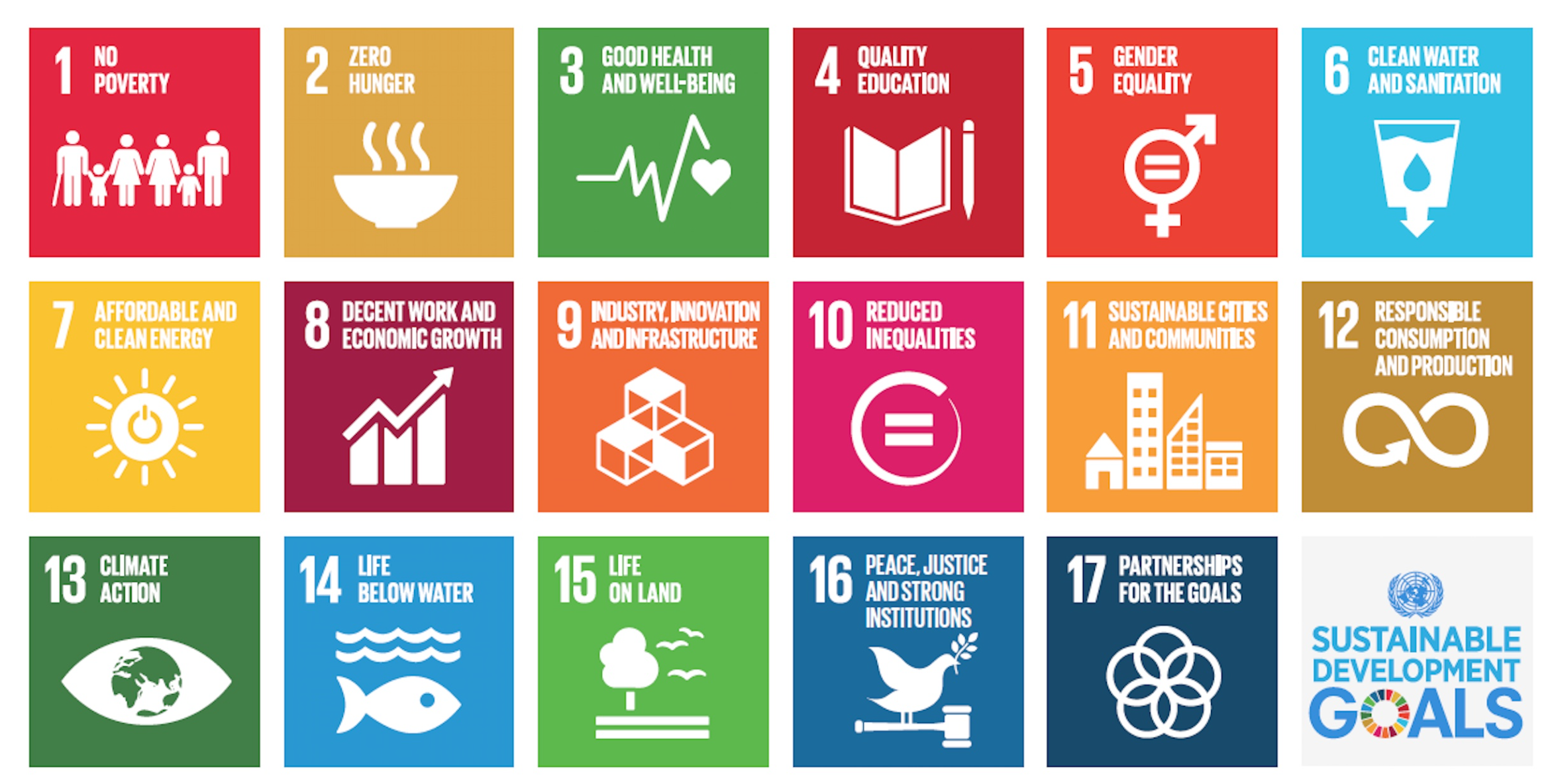
SDG 14 Life Below Water
Conserve and sustainably use the oceans, seas and marine resources for sustainable development.

Ending Harmful Fishing Subsidies
More than $22 billion of harmful 'capacity building' fishing subsidies contribute to overfishing, and lead to the loss of livelihoods and income for coastal communities. They have also been linked to Illegal, unregulated, and unreported (IUU) fishing activity.
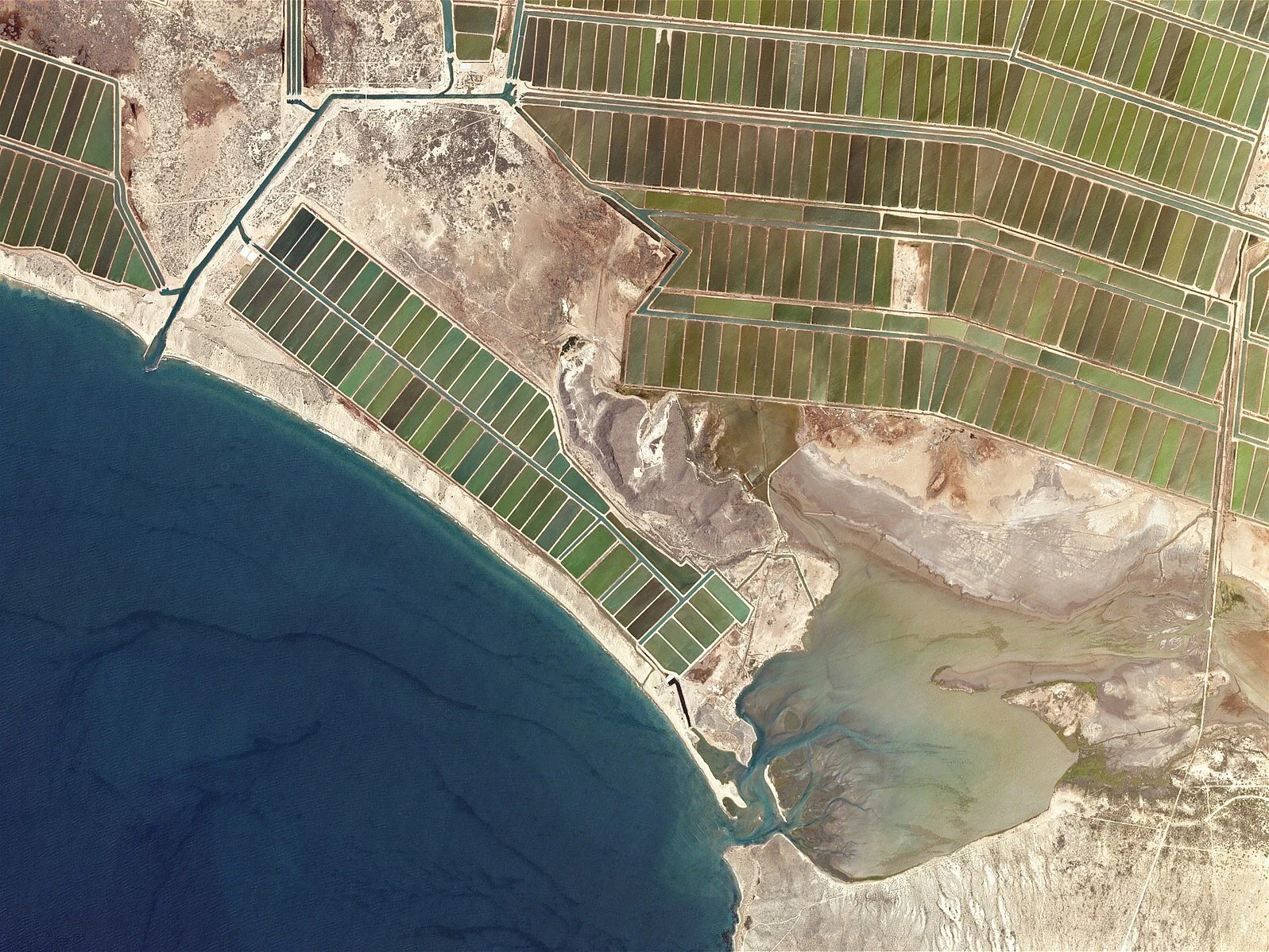
Penaeid biosecurity
COVID-19 is not the only pandemic in the world today. At present there are dozens of active panzootics — animal pandemics — running rampant in farms around the world. Nowhere is this more prevalent than in farmed aquatic animal populations, who are not provided with the biosecurity measures deemed essential for preventing the emergence of novel diseases in other farming systems.
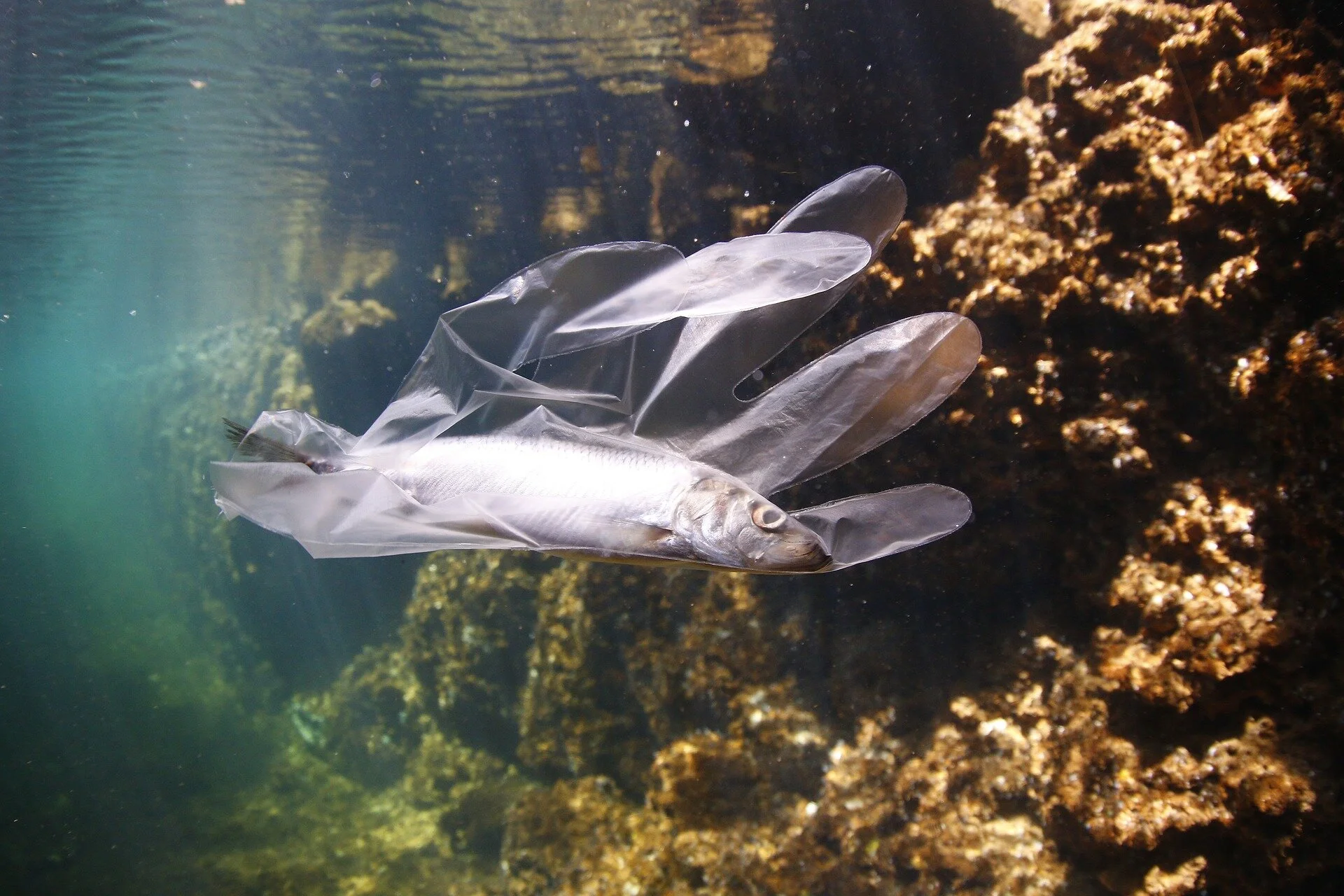
Plastic in the Ocean
At the rate we are moving, by 2050 there will be more plastic in the ocean than fish. We need to continue to educate ourselves and become more aware of the use and disposal of plastic.
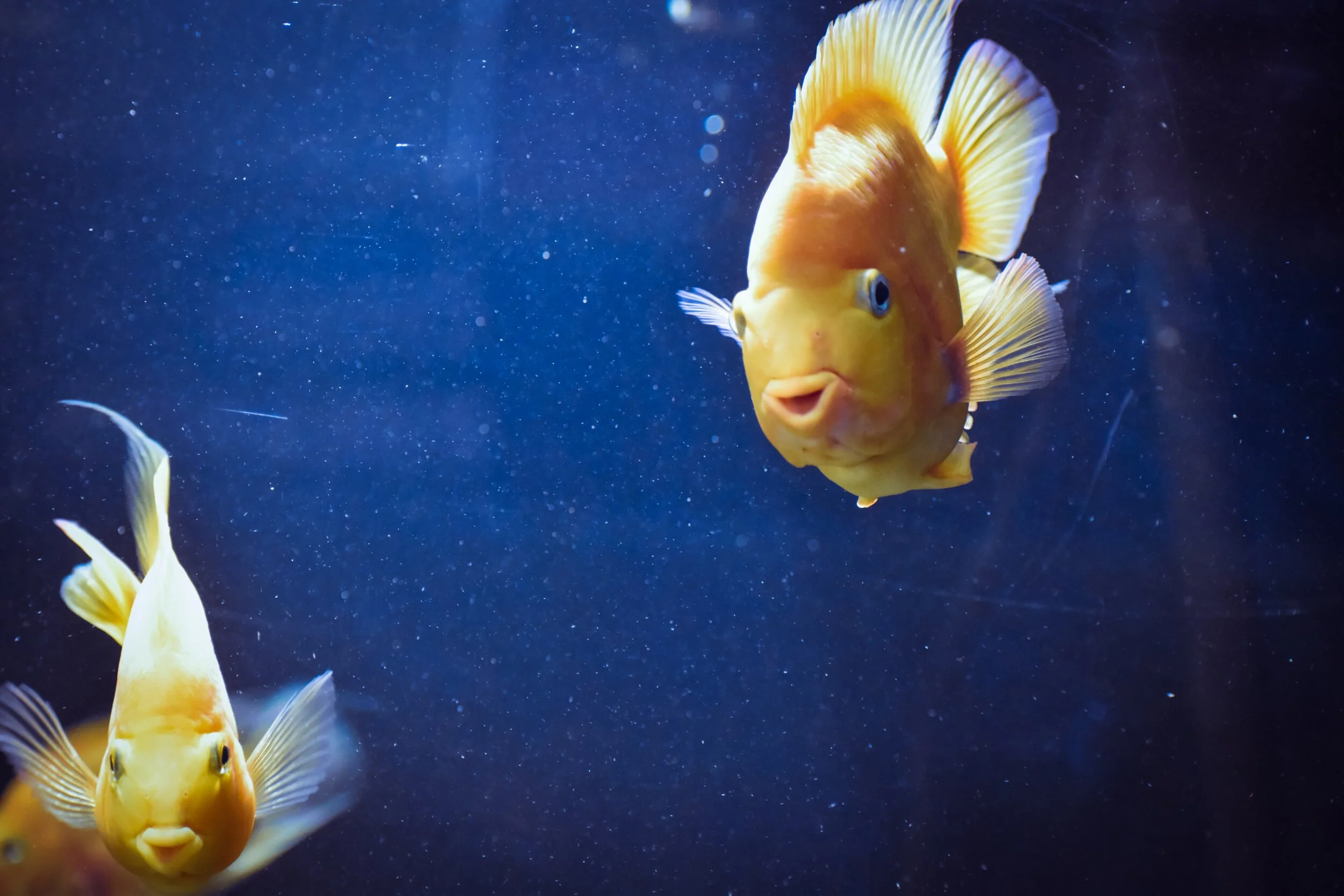
Defining “Welfare” for Aquatic Animals
Every year, approximately two to three *trillion* aquatic animals are killed in the wild and 100 billion are farmed. Yet, at a global scale, there is a major gap in aquatic animal welfare considerations because the concept of what constitutes “humane fish” or “high welfare seafood product” remains a blank canvas. The Aquatic Life Institute is leading the effort to change this.
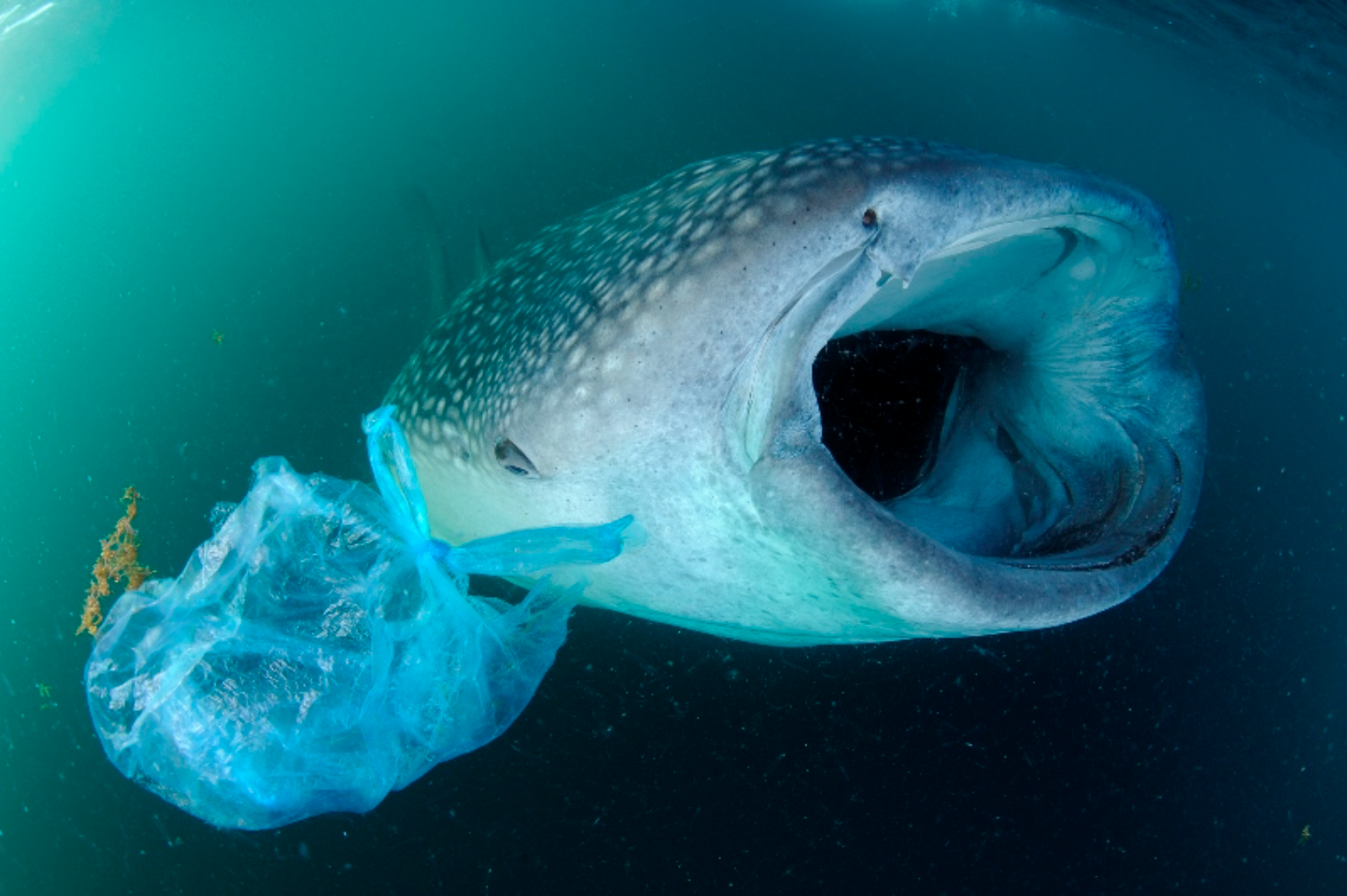
5 incredible underwater photographers
There’s so many inspiring photographers documenting the beauty and plight of the ocean. We decided to make a list of some favorites that are focusing on conservation and education.

2020 Election: Aquatic Animals and the Seafood Industry
What would the election of Joe Biden or reelection of Donald Trump mean for aquatic animals and industry over the next four years?
Introduction to ALI
We support research to compare potential welfare interventions and then advocate for the most promising initiatives’ implementation, with the aim of positively impacting the lives of aquatic animals.
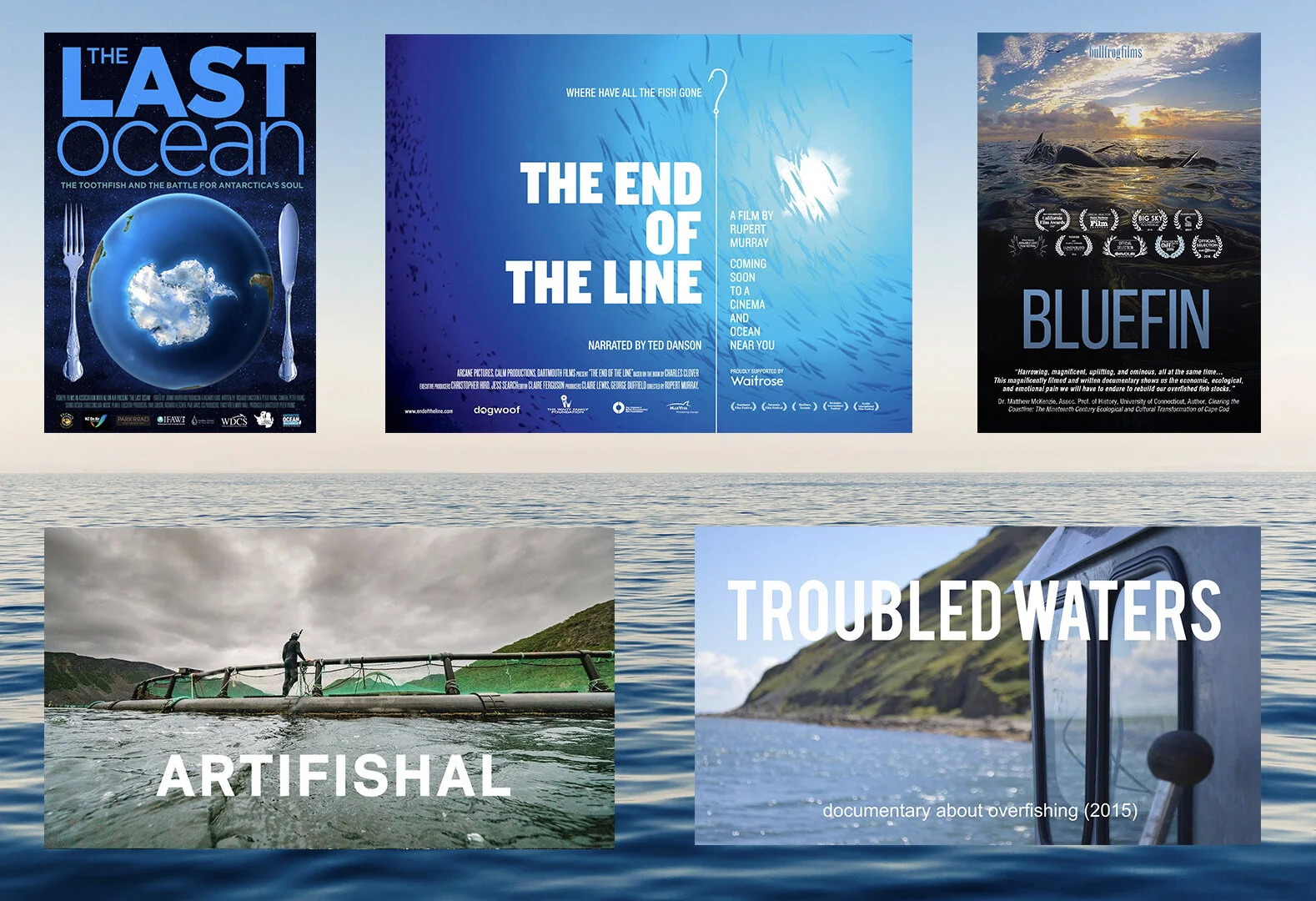
5 fish documentaries to watch
These films offer an insight into the reality of the oceans and the fish that live there focusing on various ways we can support marine animals.