The Invisible Majority
Case Study: A Historic Turning Point for Asia: Bringing Aquatic Animals into Focus for the First Time
About The Invisible Majority: Aquatic animals represent the overwhelming majority of animals in global food systems, yet their welfare remains largely absent from sustainability agendas and policy frameworks. Aquatic Life Institute exists to change that.
This giving season, we are bringing The Invisible Majority into focus through a series of case studies that highlights how our work has created systems-level transformation for billions of overlooked aquatic animals in 2025.
The following is a case study exploring our ‘Recognition’ impact pillar: How ALI is making aquatic welfare visible and legitimate in global dialogues. Learn more about how ALI is bringing The Invisible Majority into focus through case studies on the ‘Protection’ and ‘Prioritization’ pillars of our work.

Asia accounts for over 89% of global aquaculture production, positioning it as the most critical region for advancing aquatic animal welfare. Despite this significance, aquatic animals have historically been overlooked in mainstream animal protection dialogues.
In 2025, Aquatic Life Institute (ALI) was invited to speak on a panel for aquatic animals at the Asia for Animals Conference in Taiwan, a major regional convening for animal advocacy leaders, NGOs, academics, and policymakers. This milestone marked the very first time aquatic animal welfare was included in the conference’s food systems agenda. The conference was opened by the President of Taiwan, signaling unprecedented political attention to aquatic animal protection in the region and increasing the strategic value of ALI’s intervention.
Upstream Lever
ALI used this high-profile speaking engagement to shift the regional narrative. We emphasized Asia’s dominant role in shaping global aquaculture practices, while drawing attention to the vast scale of suffering endured by billions of fish, shrimp, and cephalopods across the continent. The presentation highlighted the Aquatic Animal Alliance (AAA) as a core organizing force for coordinated international action, signaling that a structured movement is already underway. With translation, the session ensured full participation from regional stakeholders and enabled deeper engagement from approximately 50 NGO leaders, academics, and policymakers who are now poised to play a role in advancing this emerging agenda.
2025 Outcomes
The Asia for Animals Conference marked a watershed moment for the movement. ALI played a central role in this breakthrough. We were featured prominently on the aquatic animal welfare panel, where our work was positioned alongside leading scientific voices, including ALI Advisor Dr. Lynne Sneddon. In her closing keynote on fish sentience, Dr. Sneddon highlighted ALI’s Aquaculture Certification Schemes Benchmark as a practical mechanism for reform, publicly validating ALI’s tools as actionable solutions for industry and governments.
Following the conference, tangible progress has already emerged through close collaboration with members of the AAA. Together, more than 160 member organizations co-signed a joint letter to the Government of Nepal, urging the inclusion of aquatic animal welfare in the forthcoming Live Animal Transportation Protocol, which had initially excluded fish.
What’s Next
In response to our unified appeal, Nepal’s Ministry of Agriculture and Livestock Development Department of Livestock Services formally recognized the importance of fish welfare and committed to integrating it into the protocol. Moreover, the government announced plans to develop a Fish Feed Management Directive and to partner with ALI and Alliance members in drafting additional policies and protocols to strengthen national aquatic animal welfare standards.
Building on this catalytic progress, ALI will use 2026 to consolidate regional momentum into structured collaboration and long-term policy impact. We will formalize partnerships with member organizations to align advocacy goals, exchange technical expertise, and coordinate regional strategies. This network will be anchored by a regional Aquatic Animal Welfare Workshop under the AAA, designed to build capacity, share policy frameworks, and equip advocates with the tools needed to advance welfare standards across Asia. Throughout the year, ALI will also monitor and document the growth of the Alliance as a leading indicator of movement-building strength and policy traction, ensuring that this regional progress continues to reinforce global reform.
Conclusion
By securing aquatic animals a platform at a major regional animal welfare conference, supported by translation, expert panelists, and prominent keynote positioning, ALI shifted the narrative for the invisible majority. This event catalyzed regional awareness and strengthened our role as the central convening force for global aquatic advocacy.
Donate to help us bring The Invisible Majority into focus in 2026
In a world of trillions, every donation scales.
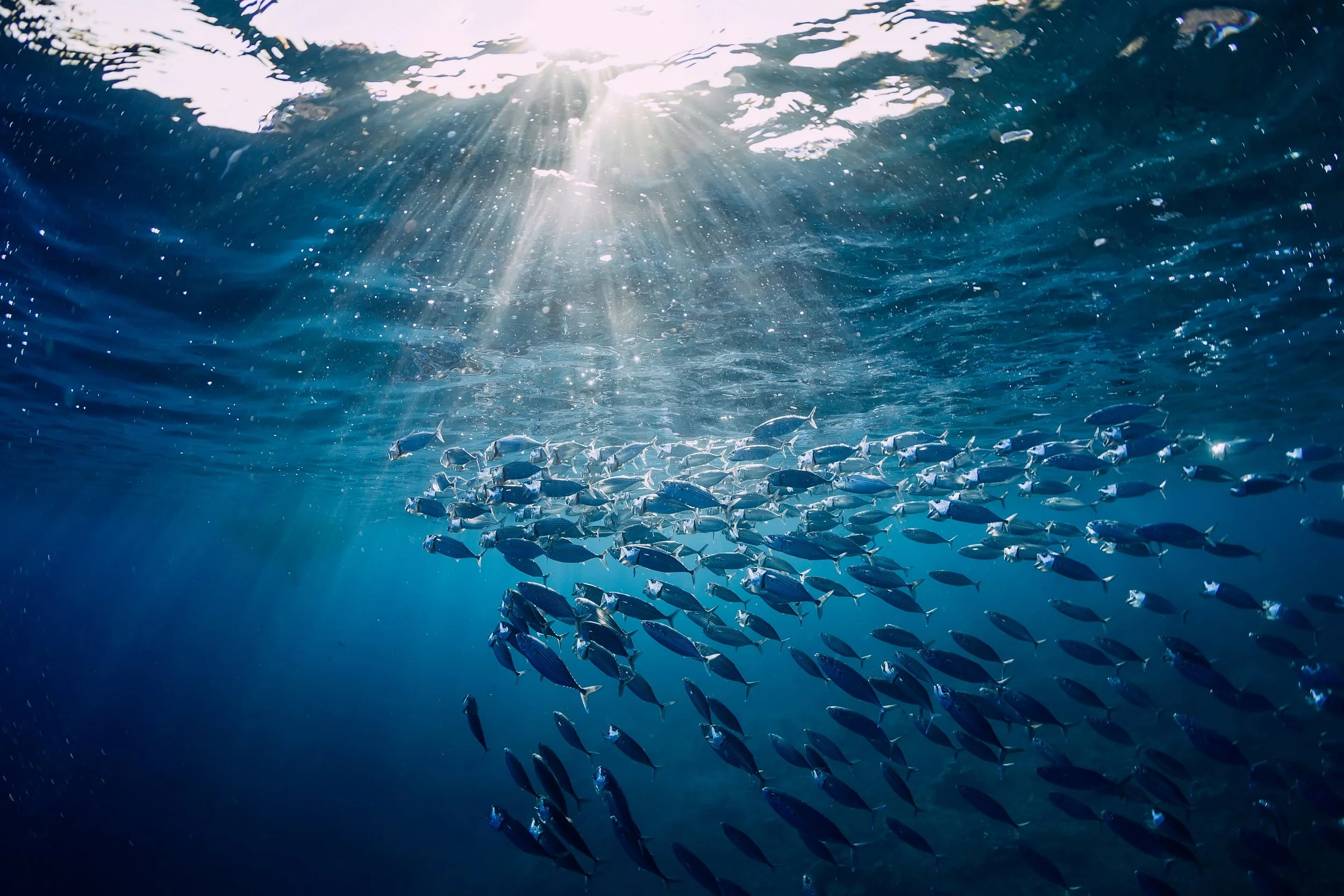
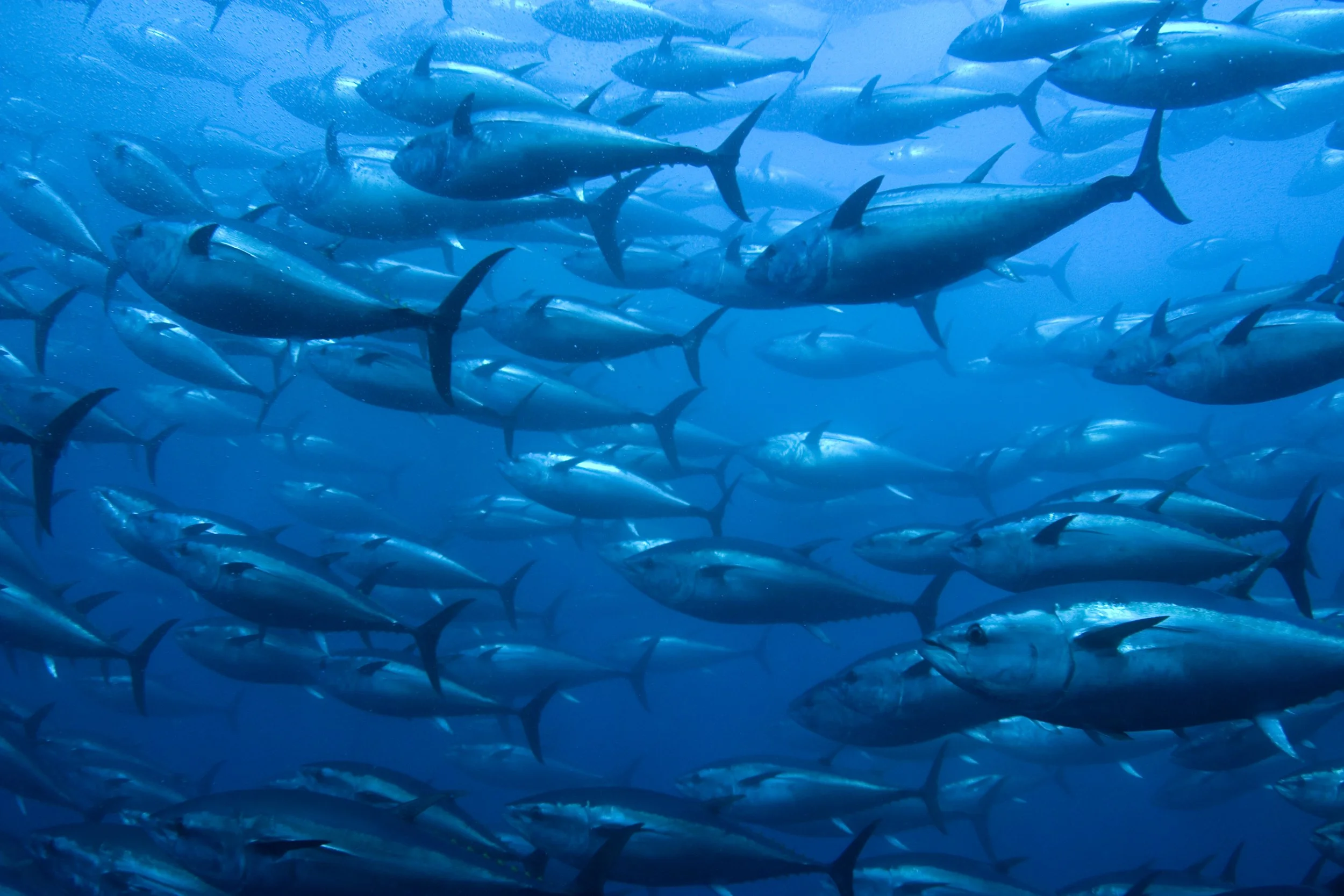
Each dollar you gift can help thousands of aquatic animals, amplifying your impact this giving season and helping protect some of the most neglected species in food systems—from the tiniest whiteleg shrimp in aquaculture to vast schools of finfish in the ocean.
Your donation is made to Every.org, a tax-exempt US 501(c)(3) charity that grants unrestricted funds to Aquatic Life Institute Inc on your behalf.
ALI has ultimate authority to use contributions made. For any questions, please feel free to contact us.