Help advocate for trillions of animals and know your donation counts.
Why donate?
By donating to ALI, you can feel confident that each dollar has the greatest expected impact for aquatic animals, and that you are supporting an organization committed to accountability and impact. See the impact that your donation can have on billions of aquatic animals, and see what we have achieved over the years with the generous help of individuals like you.
To learn more about our recent successes, you can view our 2025 Half-Year Report.
“ACE proudly recommends Aquatic Life Institute (ALI) as an excellent giving opportunity. ALI carries out a variety of short-term and long-term strategies aimed at reducing the significant suffering experienced by both farmed and wild-caught aquatic animals. These animals are among the most neglected in animal advocacy, despite their numbers being greater than all land animals combined. ALI uses robust logic to develop their programs and has a strong track record of success.
Our cost-effectiveness assessment indicates that they have been able to help many animals at a relatively low cost. For example, through their corporate outreach program, we estimate they have reduced the suffering of thousands of shrimps for every dollar spent. ALI’s plans for 2025 and 2026 give us confidence that they would use donations in ways that are likely to create the most positive change for aquatic animals.”
Aquatic Life Institute is a 501(c)(3) charitable non-profit organization.
Donations are processed through Giving What We Can (GWWC), an organization that helps individuals maximize their charitable impact. These donations, which are tax deductible and unrestricted, are especially valuable for ALI, as they support our participation in the effective giving ecosystem.

* Anyone can donate via GWWC — no pledge or commitment required.
If you prefer, you can donate via Every.org, a tax-exempt US 501(c)(3) charity that grants unrestricted funds to Aquatic Life Institute Inc on your behalf.

Or mail a check to:
Aquatic Life Institute
60 North St, Rye, NY 10580
Why aquatic animals?
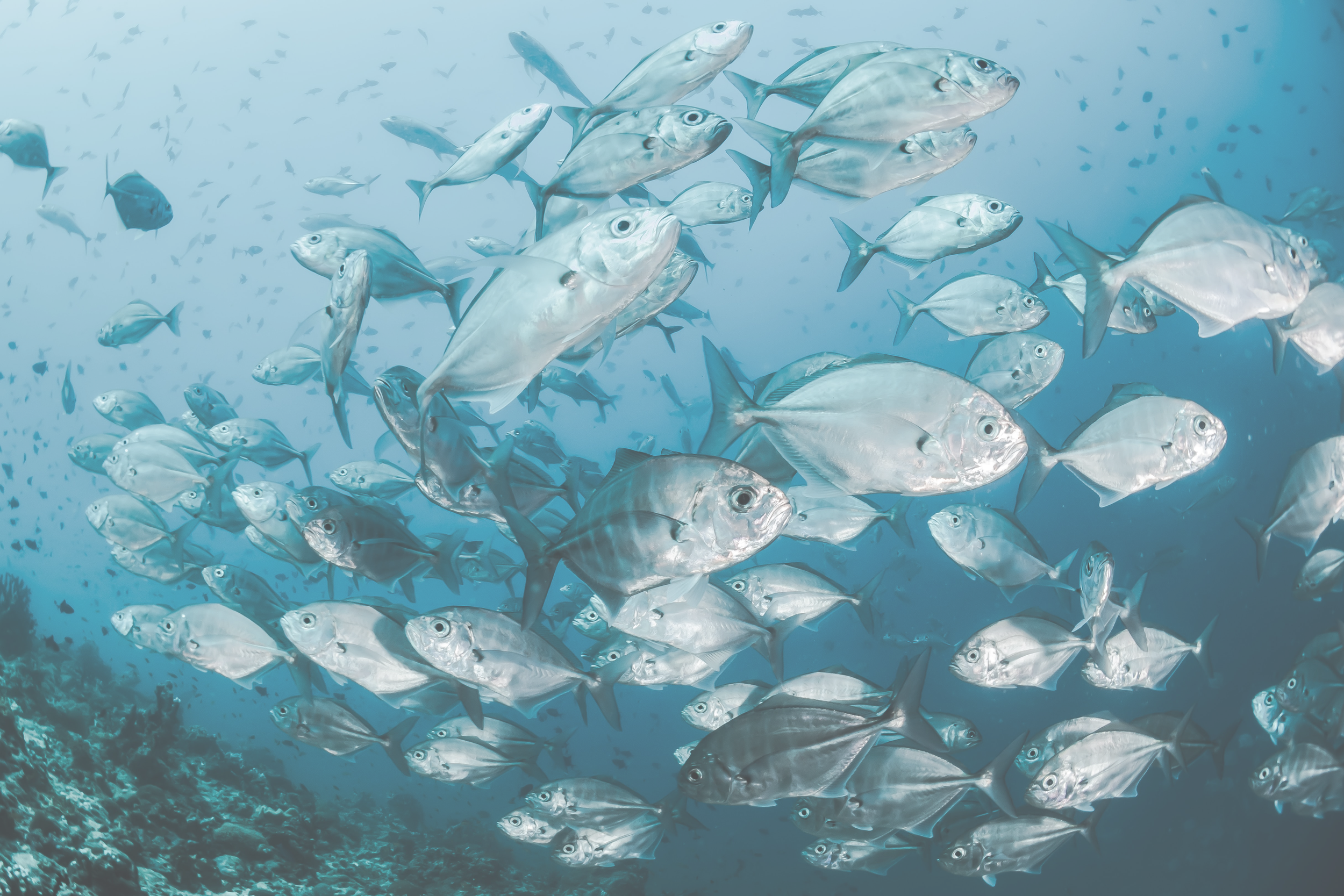
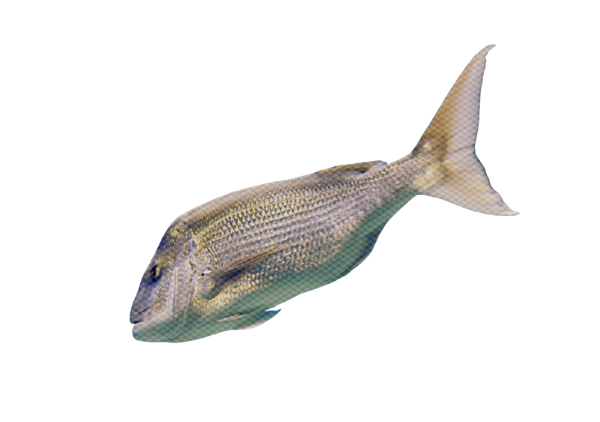
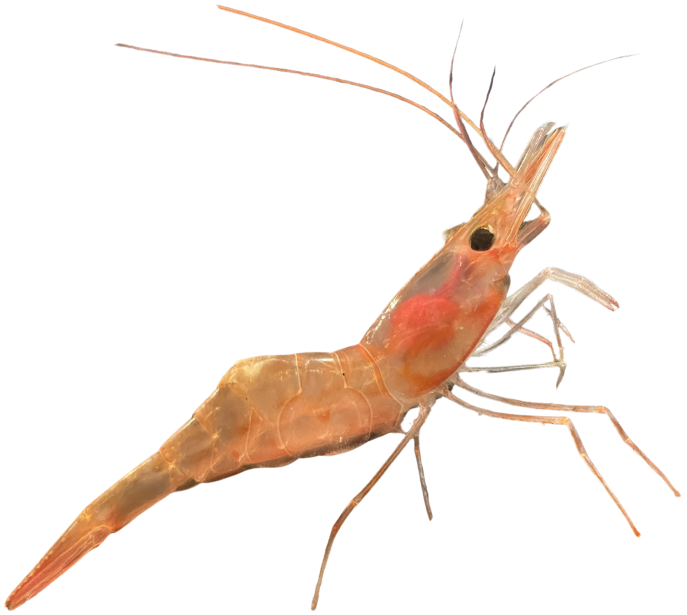
On November 15, 2022, the world’s population reached 8 billion people. In 2022 alone, 133 billion farmed finfish were slaughtered - more than 16 times the entire global human population that year. An additional 1.1 - 2.2 trillion wild finfish are caught annually - a staggering figure that does not account for unrecorded captures from illegal fishing, discards, and ghost fishing. Combined, the total number of finfish slaughtered is approximately 13 to 22 times greater than the 82.6 billion farmed land animals killed each year. It's estimated that another 630 billion farmed shrimp are slaughtered annually for food; a species increasingly recognized for their sentience.
These figures highlight the immense scale of suffering for aquatic animals within our global seafood system, underscoring the urgent need for improved welfare and protection. Legislation, corporations, and seafood certifications must include high welfare standards for aquatic animals in farms and marine capture fisheries.
At Aquatic Life Institute, we’re dedicated to driving transformative change for these trillions of aquatic animals worldwide every year.
How will my donation be used?
By donating to Aquatic Life Institute, you will be supporting our main priority areas, including our global coalition work, seafood certifier campaign, supply chain work, corporate and legislative policy pursuits. We rely on the most up-to-date information and research available to decide what interventions to pursue, when to intervene and where to pursue change. Our interventions are evidence-based, and we draw from Effective Altruism principles to guide these interventions to reduce as much aquatic animal suffering and other forms of suffering as possible.
ALI utilizes a "top-down" strategy, engaging with global entities like the UN, European Commission, major certification bodies, and corporations, to influence policies and standards that can impact billions of aquatic animals across diverse regions and species. The supply and regulatory chains have narrow pinch points, enabling ALI to exert significant influence through a few key decision-makers, despite the vast, global scope of the seafood supply chain.
How effective is my donation?
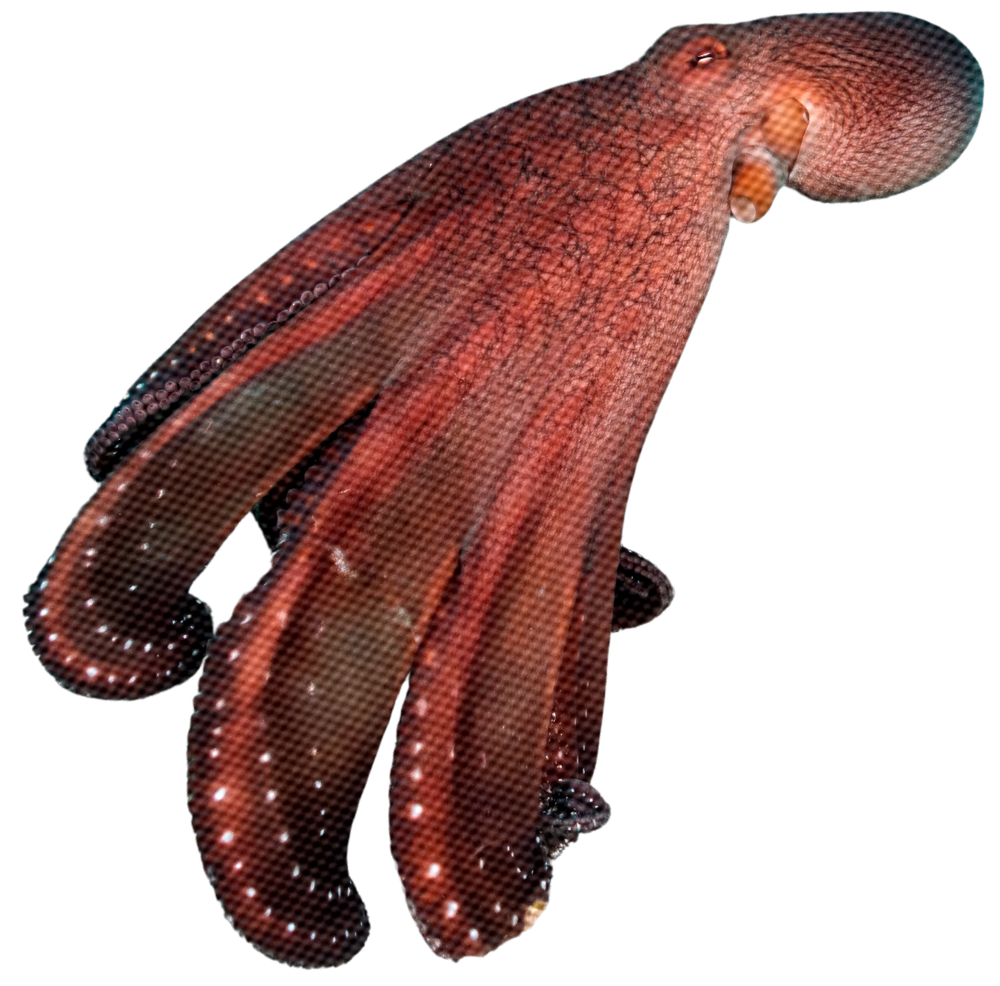
With your help, ALI will continue to elevate global aquatic animal welfare standards by advocating for the adoption of high-welfare recommendations among leading global seafood certification bodies, influencing international and local policy, shaping corporate commitments for large-scale impact, building unified global coalitions, and continuing the fight against the developing octopus farming industry.
We are committed to transparency and effectiveness, and we're currently investing in systems to measure and track the success of our initiatives with even greater precision. This includes developing more comprehensive cost-effectiveness analyses, so we can clearly show how your contributions drive real, meaningful improvements in aquatic animal welfare. With your support, we can enhance our ability to assess impact, make data-informed decisions, and maximize the positive outcomes for animals worldwide.
ALI has ultimate authority to use contributions made. For any questions, please feel free to contact us.