Two big ocean breakthroughs, but what do they really mean for animals?
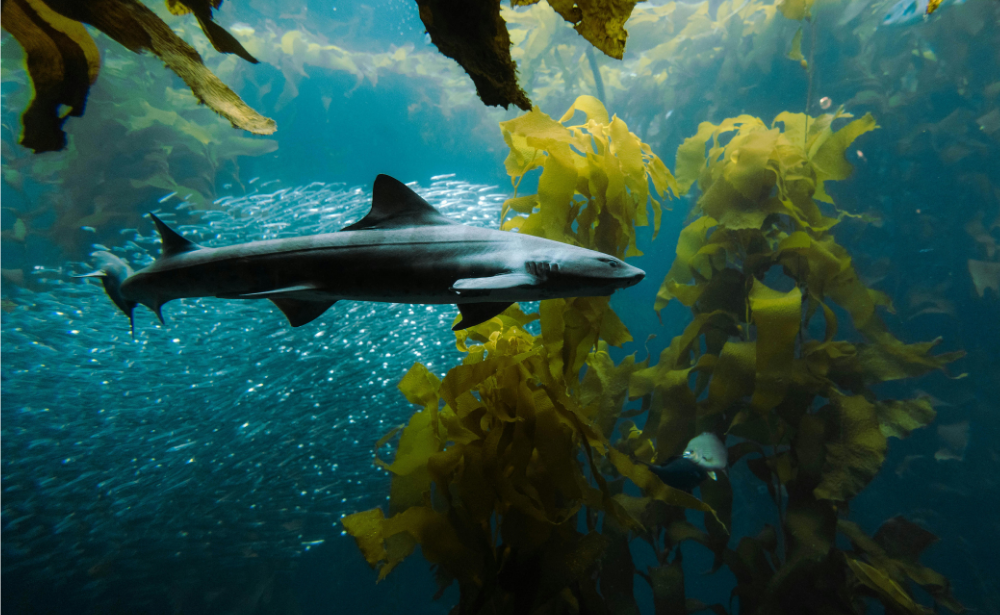
Two separate breakthroughs, one on biodiversity protection in the high seas, the other on harmful fishing subsidies, are finally moving from talk to law. Together, they can start to change life at sea for whales, sharks, tuna, squid, and the trillions of other aquatic animals we rarely see.
According to the FAO’s latest analysis, 35.5% of assessed marine fish populations are overfished (up from ~10% in 1974), while 64.5% are within biologically sustainable levels. For years, the ocean’s story was upside down: as fish populations collapsed, public money kept fleets chasing what was left; as exploitation moved offshore, governance lagged. The two following agreements don’t fix everything, but they flip the presumption. Conservation and trade rules now explicitly recognize that the fate of marine animals isn’t incidental; it’s central to how the ocean and our food systems can endure. If we continue to see more policies like these and hold governments to account, animals get something they’ve rarely had in international waters: real chances to survive and recover.
High Seas Treaty: the threshold is crossed, the clock is ticking
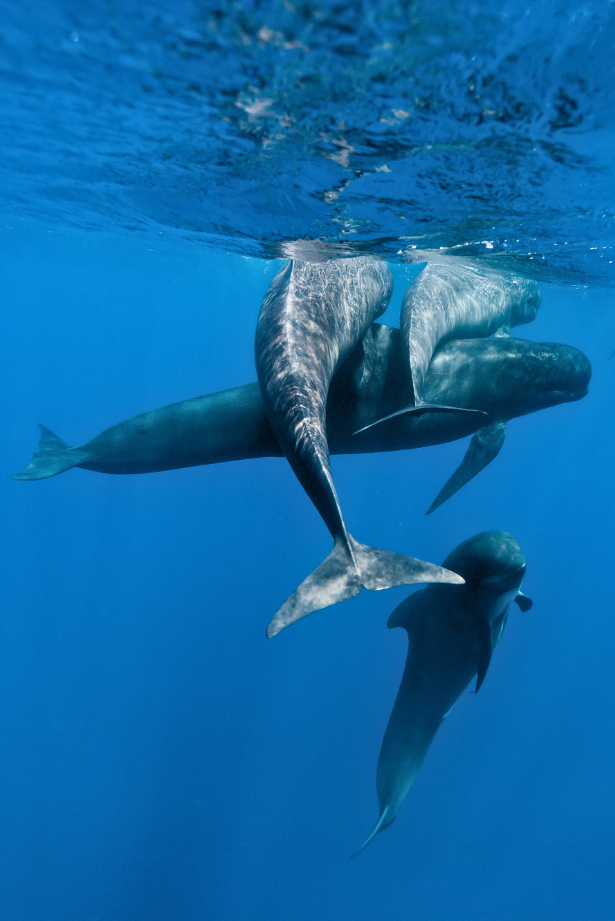
The High Seas Treaty (BBNJ Agreement) has now reached the 60 ratifications needed to enter into force, triggering a 120-day countdown to legal effect on January 17, 2026.
What the treaty adds that animals can actually feel:
Legal tools to create marine protected areas (MPAs) beyond national waters. This is the first global process for designating conservation zones across two-thirds of the ocean, where many migratory routes, seamounts, and deep-sea habitats lie.
Environmental impact assessments (EIAs) for new high-seas activities. Risky projects (e.g., deep-sea mining) must be assessed and publicly scrutinized before they proceed.
Benefit-sharing for marine genetic resources and capacity-building/technology transfer so developing countries can participate in science and stewardship.
Limits to keep in mind:
The treaty does not set quotas; it must work with existing fisheries bodies such as regional fisheries management organizations (RFMOs). Coordination will determine how much protection actually materializes. If Parties use these tools ambitiously, safe corridors and refuges could finally emerge in areas that have long been a regulatory void.
WTO Agreement on Fisheries Subsidies: an engine of overfishing is finally constrained
On September 15, 2025, the WTO Agreement on Fisheries Subsidies entered into force, the first multilateral trade deal with environmental sustainability at its core. Harmful subsidies are massive: roughly USD 22 billion a year out of a global total of USD 35 billion. They keep oversized fleets on the water and intensify bycatch, entanglement, and ecosystem stress. Cutting these flows removes a major driver of animal suffering at scale.
Key changes on paper:
No subsidies for illegal, unreported, unregulated (IUU) fishing.
No subsidies for fishing depleted populations unless effective rebuilding measures are in place.
Ban on subsidies for fishing in unregulated high-seas areas.
New transparency rules and a Fisheries Funding Mechanism (“Fish Fund”) with over USD 18 million pledged to help developing countries comply.
Reality check:
This is only “part one.” Negotiations on overcapacity and overfishing subsidies, such as fuel tax breaks and vessel construction support, remain unresolved. These are the subsidies most directly linked to industrial pressure on animals.
What this actually means for animals:
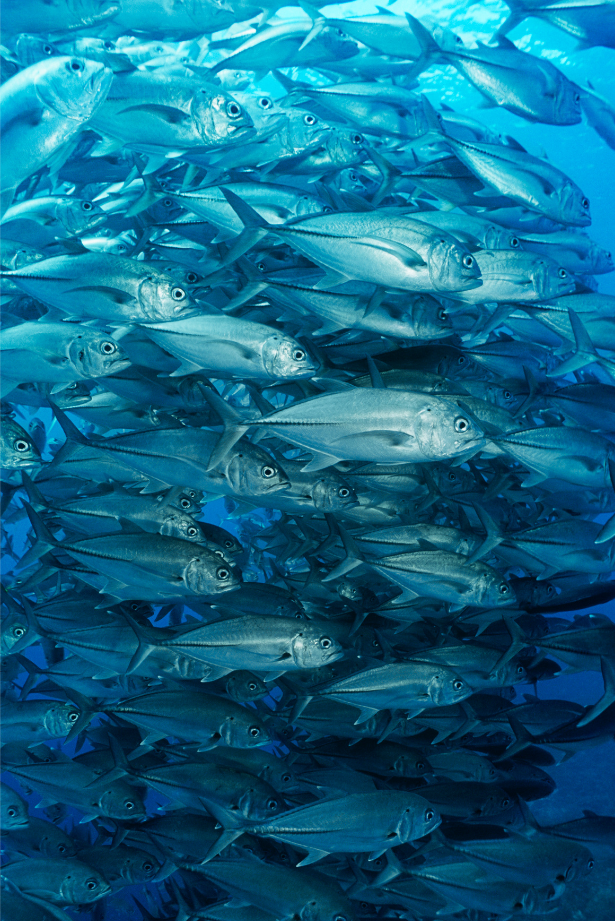
Fewer misguided incentives → less pressure. Removing subsidies for illegal, unreported, unregulated fishing and depleted populations should reduce effort where animals are most vulnerable. If enforcement is taken seriously, we can expect gradual declines in bycatch mortality and disturbance.
New sanctuaries in the high seas. Properly designed MPAs can protect spawning grounds, migratory corridors, and deep-sea ecosystems where recovery is slow and injuries are often irreversible.
Better gatekeeping for new industries. Strong EIA practice can head off the most damaging projects before they scar fragile habitats.
What you can do:
As a member of the public, you can call for the recognition of fish sentience and for impact assessments, MPAs, and capacity-building funds to be structured with fish welfare in mind. This means that when subsidies are restructured, when new protected areas are proposed, and when funds (e.g., under the Fish Fund) are allocated, ocean conservation is aligned with ethical treatment of aquatic animals, not just yield or “stock” sustainability.
And, to keep in the loop with all future breakthroughs, progress, and general policy-work from ALI, subscribe to our newsletter here. If you’d like to support our ongoing mission to improve the lives of aquatic animals worldwide, please consider making a donation here.