Aquatic Animal Welfare on the Rise: Reflections from AVA Summit 2025
From May 15–18, the Aquatic Life Institute (ALI) joined over 850 advocates from around the world at the AVA Summit in Los Angeles. Beyond sessions and panels, the event served as a vibrant hub for connection, collaboration, and strategy. ALI engaged with fellow organizations and funders, fostering meaningful conversations that will shape the future of aquatic animal protection.
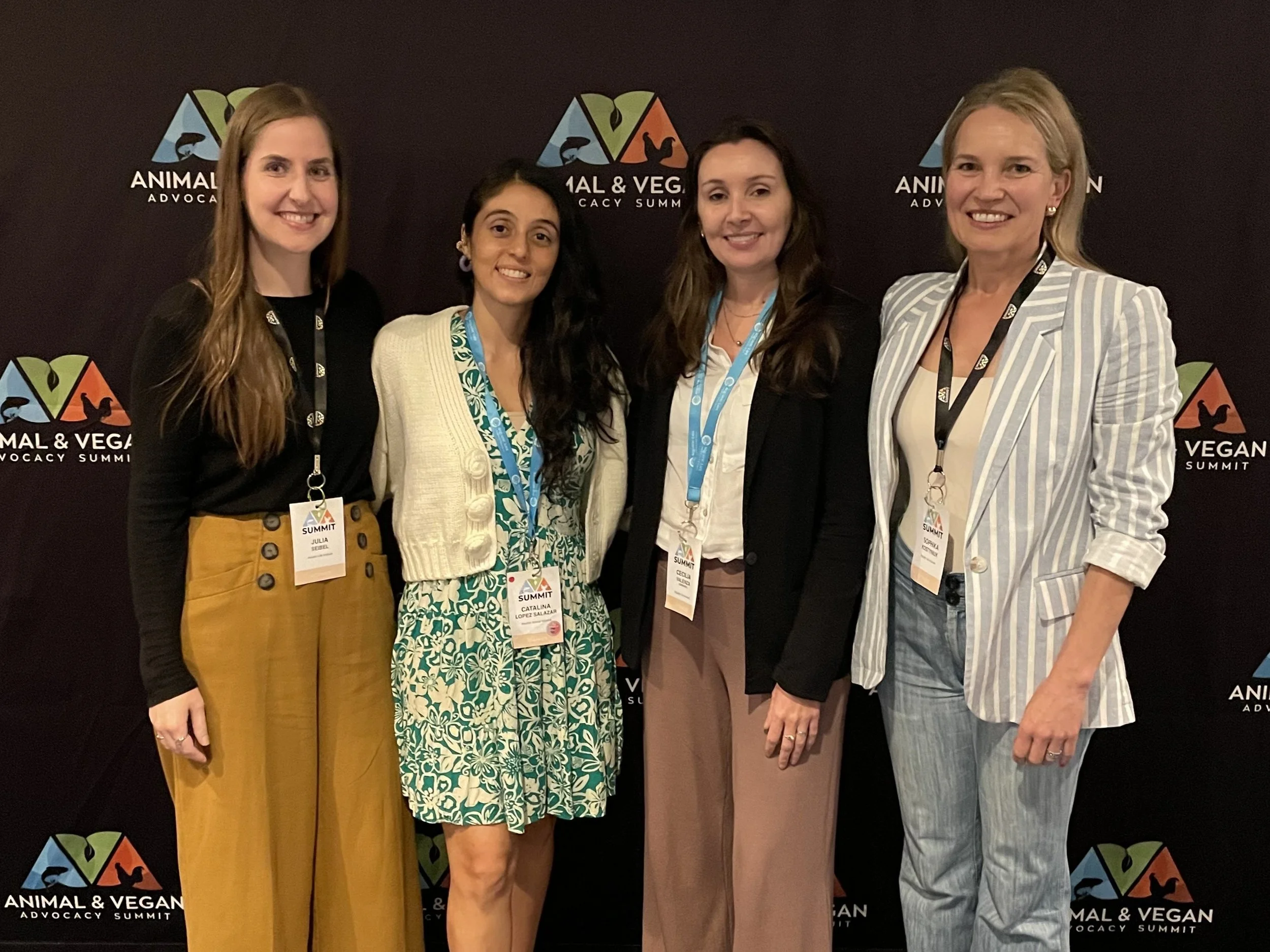
For ALI, the summit was more than just an annual gathering for the movement, it was a moment to reflect on how far aquatic animal advocacy has come, and where we need to go together.
Five years ago, aquatic animal welfare was barely a blip on the movement’s radar. Only a handful of organizations, such as ALI, Fish Welfare Initiative, and Shrimp Welfare Project were dedicating focused attention to the suffering of aquatic species. At that time, it was rare to find even a single session on fish at global events like this.
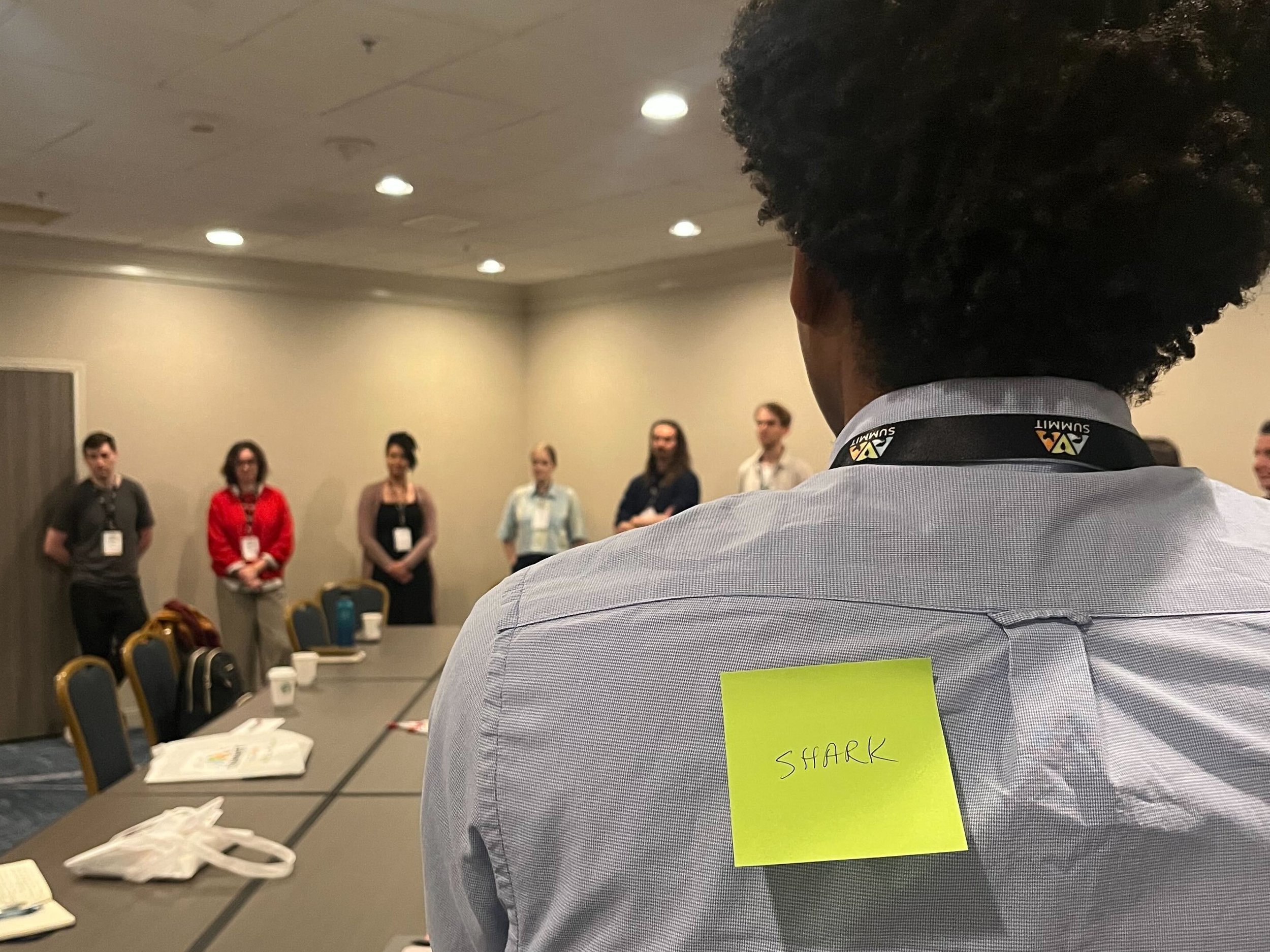
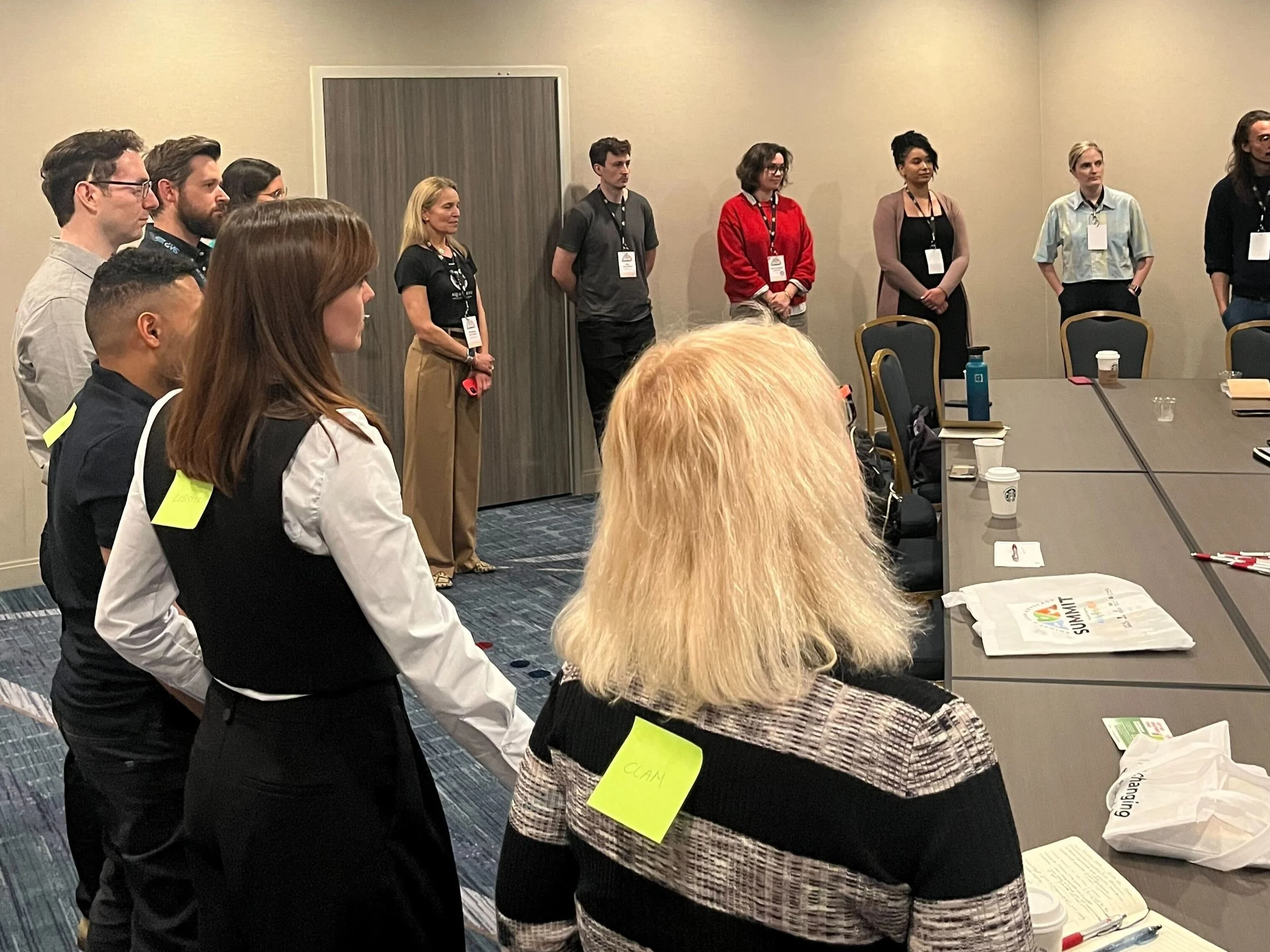
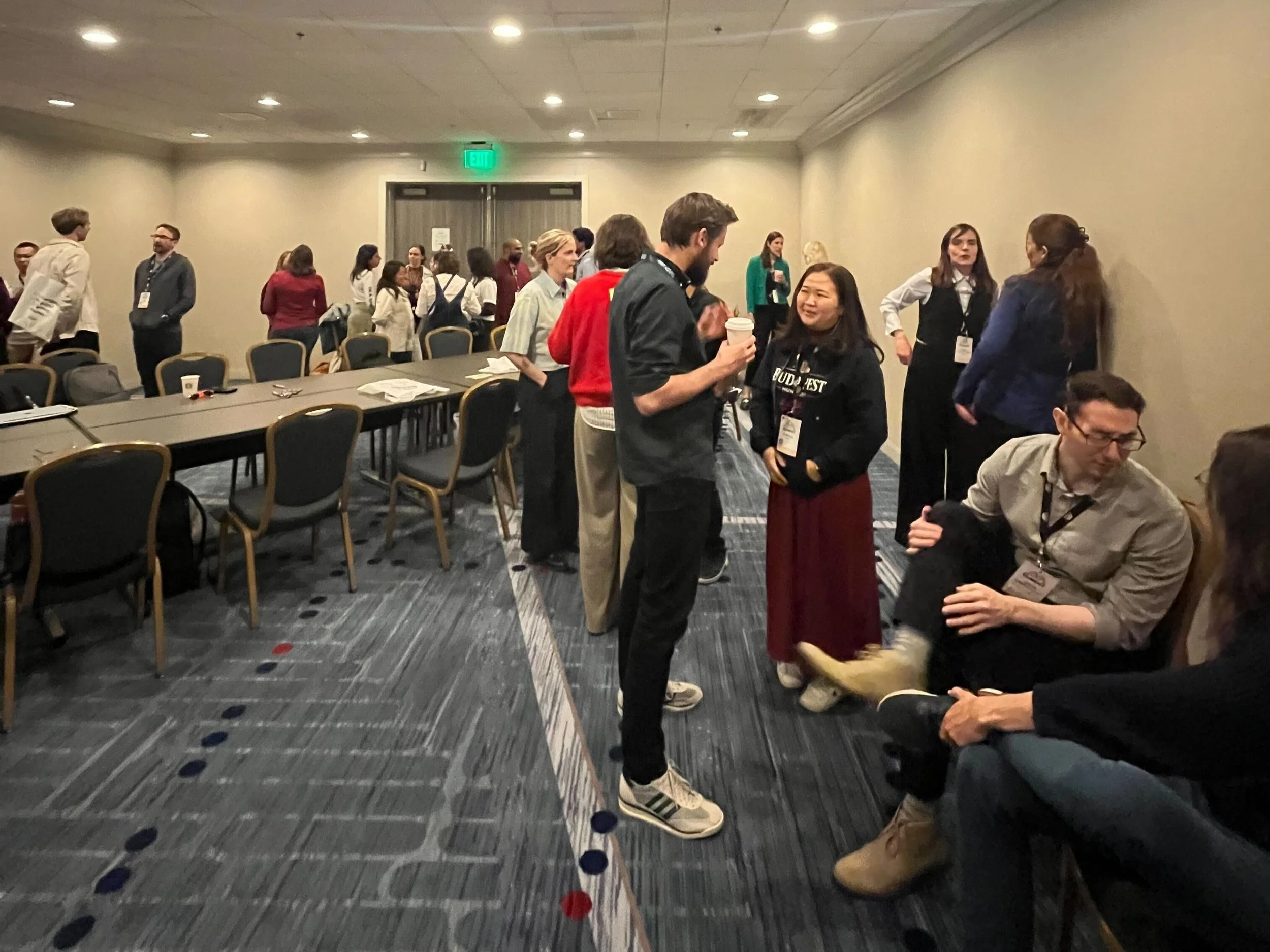
This year, we hosted a dedicated meet-up that drew over 30 participants from a variety of advocacy groups across the globe representing a growing array of organizations, regions, and strategies. This gathering provided a platform for attendees to introduce themselves, share their areas of expertise, and discuss collective actions to enhance the well-being of aquatic animals.
“Seeing that room filled with people dedicating their work, fully or partially, to aquatic animals was deeply moving. Just five years ago, such a turnout would have been unimaginable. It shows how far we’ve come, and how much possibility lies ahead.”
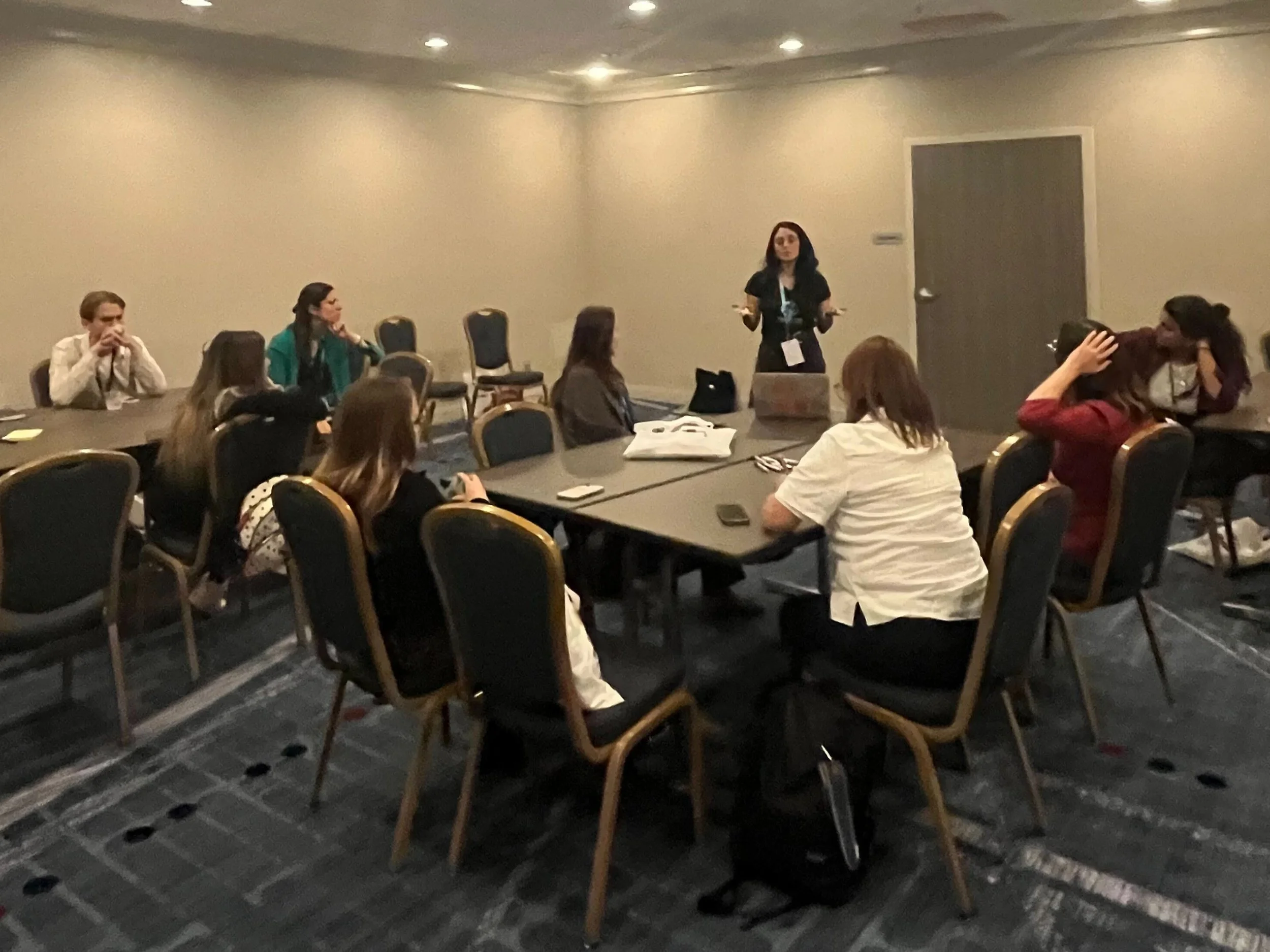
ALI has also hosted the first in-person strategy session for the Aquatic Animal Alliance (AAA). Over 10 member organizations came together to deepen trust and alignment. The discussions were honest, forward-looking, and rooted in a shared belief: we are stronger together. “We came together not just to connect, but to co-create,” said Catalina López, AAA Director. “This was a critical step in ensuring the Alliance is impactful for aquatic animals, but also meaningful for its members.”
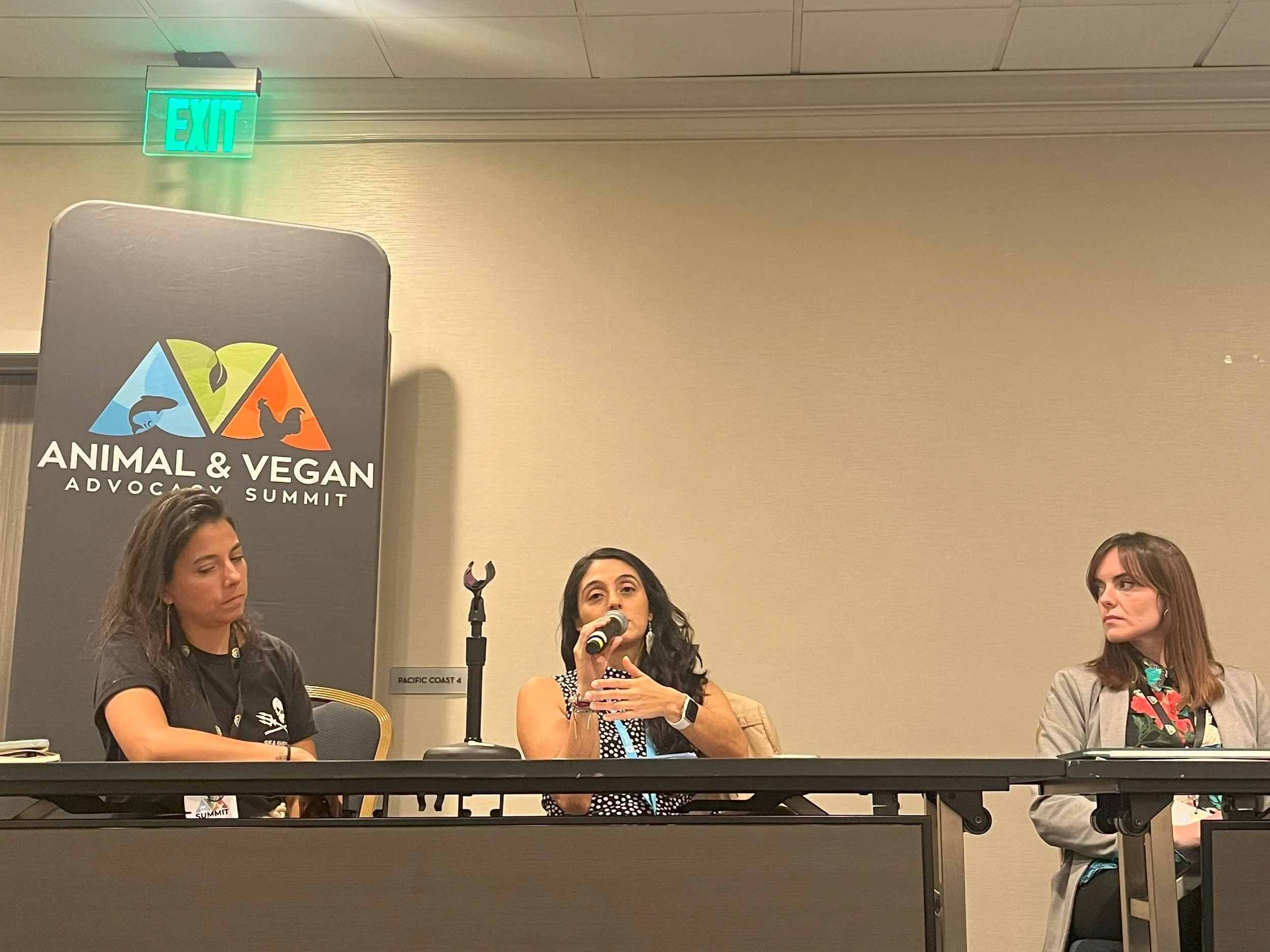
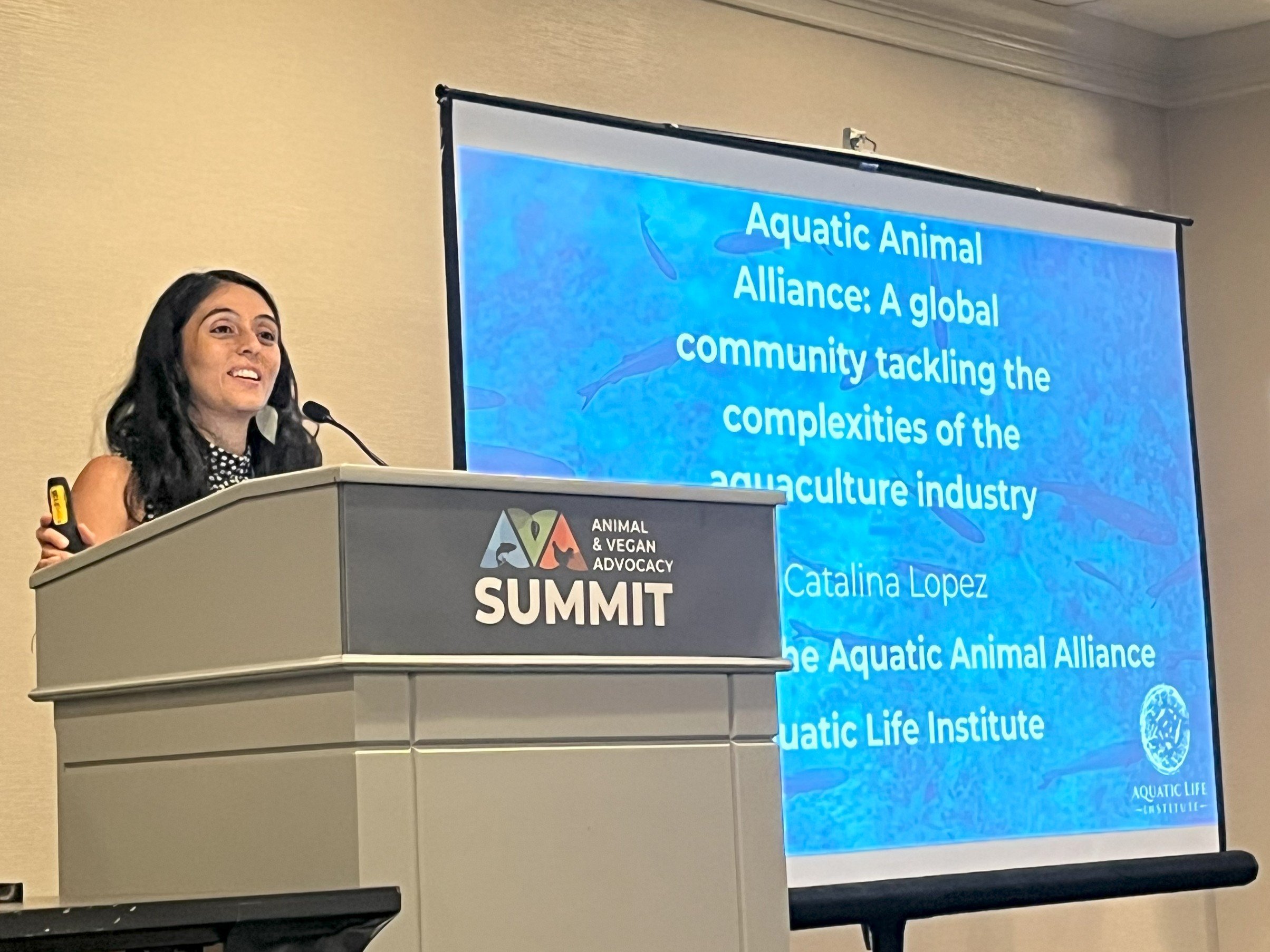
Catalina López represented ALI in a joint panel with Nathalie Gil (Sea Shepherd Brasil) and Amada Perales Ferrer (Ethical Seafood Research) titled Blindspots: Aquatic Animal Advocacy. The conversation, moderated by Abigail Penny of Animal Equality UK, explored the ethical, environmental, and scientific complexities of aquaculture, and the urgent need for greater cross-sector coordination.
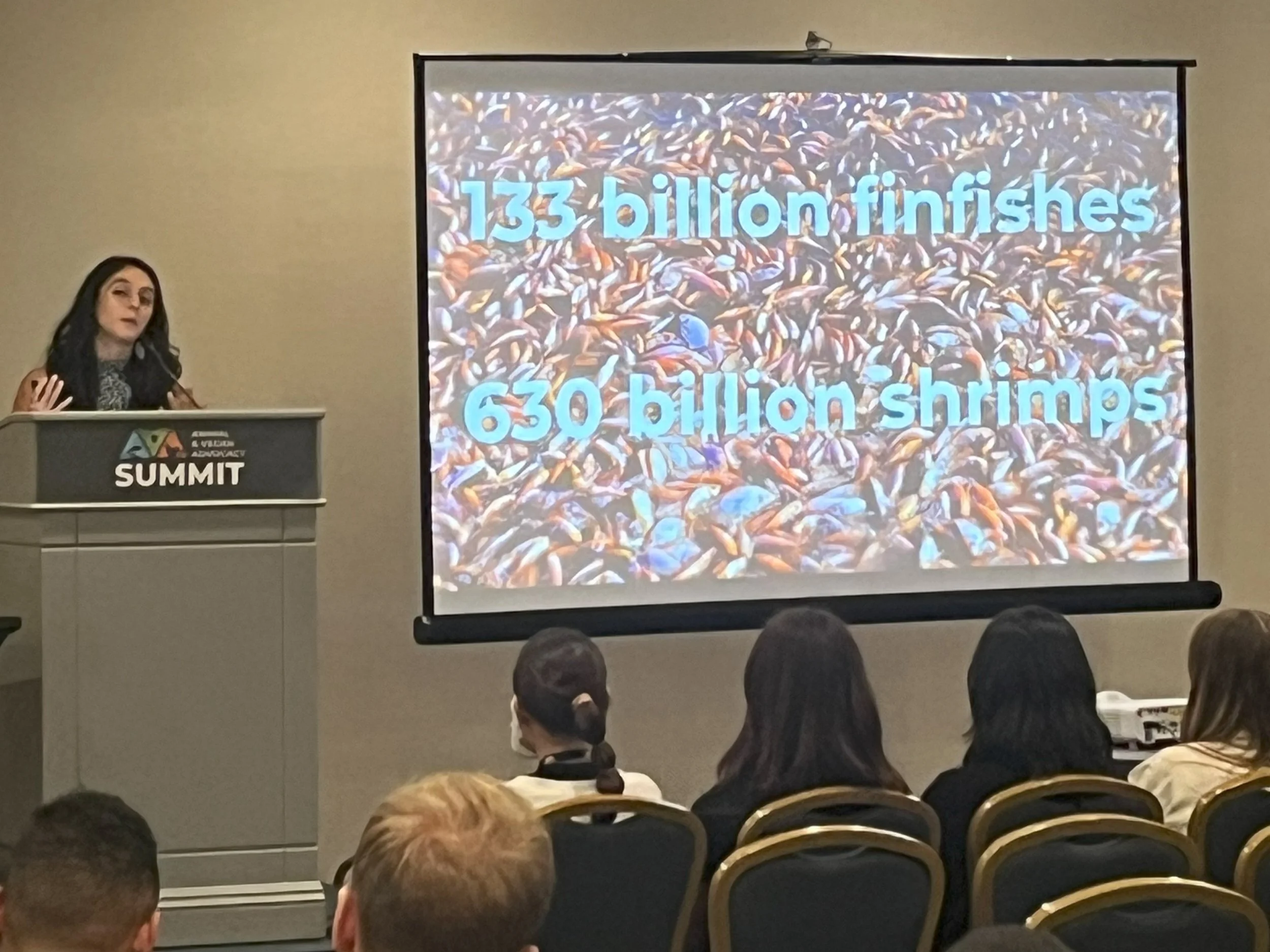
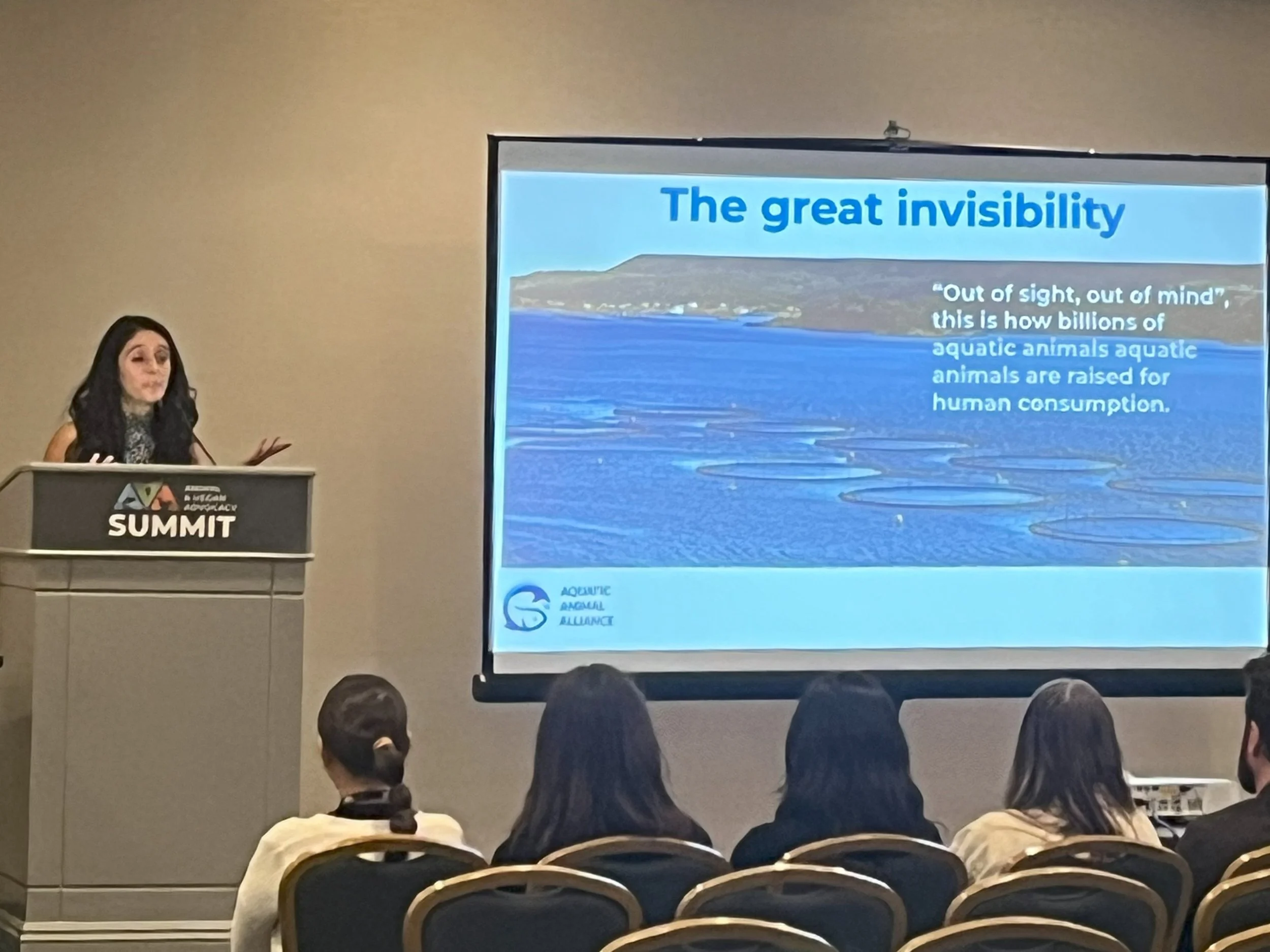
Despite the progress, aquatic animals still receive a very small proportion of global animal welfare funding. They represent the vast majority of farmed animals, yet their suffering remains largely invisible to the public, policymakers, and even within our own movement.
At the AVA Summit, we saw the seeds of change. But we also felt the weight of what remains ahead. Aquatic animal protection is not something any single organization can solve. In fact, the animal protection movement alone cannot solve it. It will require bold collaboration across sectors and geographies, from scientists and ethicists to policymakers, advocates, and industry players. Aquatic animal welfare sits at the intersection of science, policy, industry, ethics, and culture. And only when those sectors come together can meaningful, lasting change take root.
This interdisciplinary nature is not a challenge, it’s a strength. It invites us to dream bigger, partner wider, and act more strategically.
We left AVA Summit 2025 energized, humbled, and more determined than ever. The growing space for aquatic animals at this year’s summit is a powerful signal, but we need more. We need more researchers. More funders. More policymakers. More public pressure. More voices in more rooms where decisions are made.
As the movement expands, so must our collaboration. Systemic change for aquatic animals is only possible if we move beyond silos and toward shared strategies. At ALI, we’re committed to helping lead that shift alongside a growing global network of allies, advocates, and changemakers.