ALI's Vision to Create Systems-Level Change Through Corporate Engagement
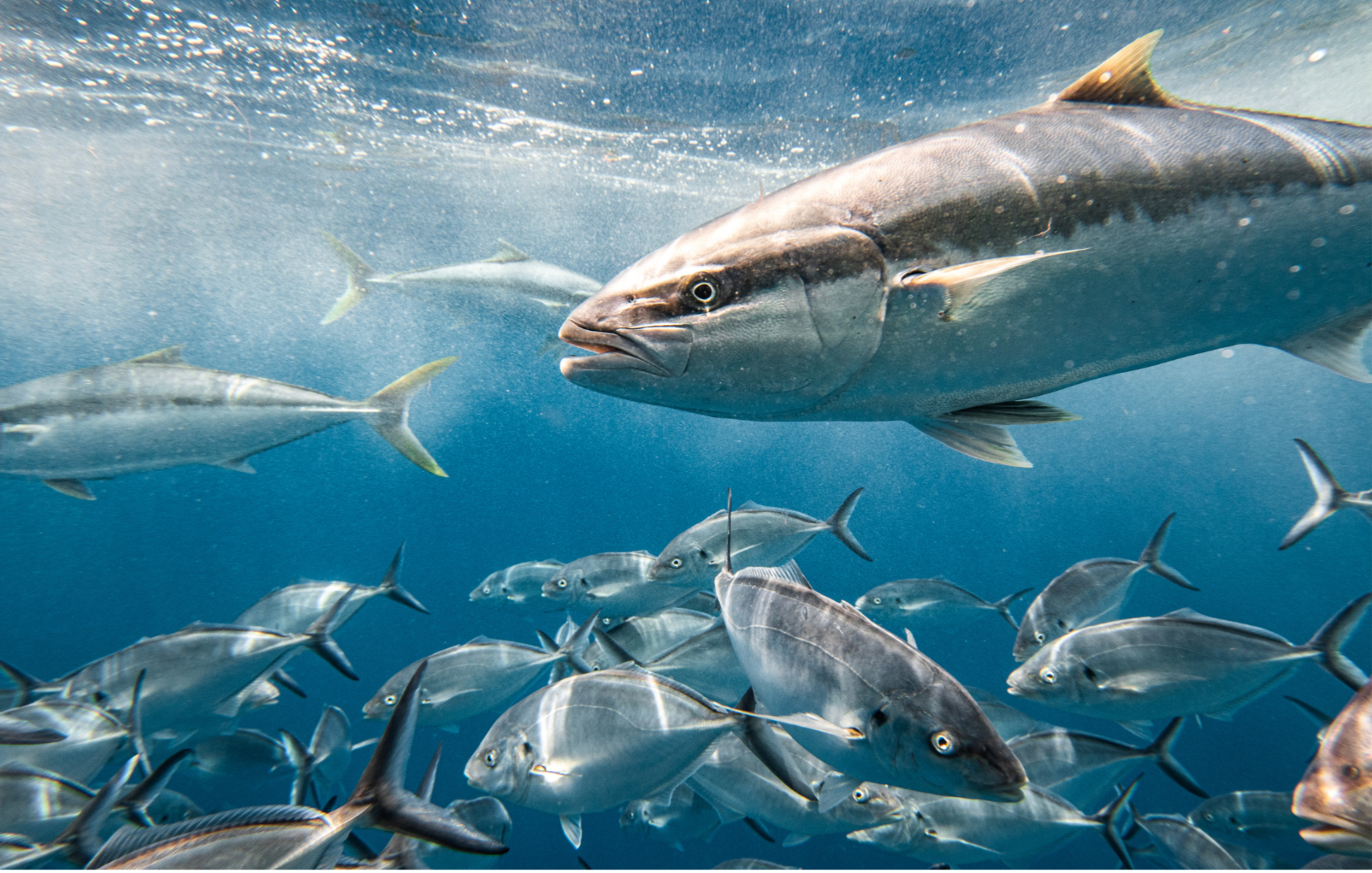
Over the past 3 years, we have witnessed unprecedented growth in corporate welfare commitments for aquatic animals. Worldwide, retailers, producers, and other market actors are increasingly recognizing that aquatic animal welfare is a central pillar to achieve a more resilient, high-quality, and ethical supply chain. This shift is a direct response to a rapidly evolving context of emerging global legislative requirements, a clear rise in consumer expectations, and the industry’s broader move toward fully transparent and traceable supply chains. Furthermore, decades of progress in land-based animal welfare demonstrates the significant business and reputational risks of failing to proactively address welfare concerns.
As the landscape of welfare standards grows, so does the complexity for the companies tasked with implementing them. The question is no longer if companies should prioritize welfare, but how they do so in a way that is scientifically robust and operationally feasible.
A Vision for Systems-Level Change
The global seafood supply chain is very complex. It's not uncommon to see a fish being farmed on one continent, processed on another, and sold on a third. With so many actors involved, from small-scale fishers to global retailers, implementing consistent animal welfare standards across these operations is a challenge. Furthermore, there is a vast variety of species being farmed and wild-caught, each possessing their own specific biological and behavioral needs. That is where Aquatic Life Institute's (ALI) Corporate Program comes in. We work collaboratively with companies to navigate this complex scenario, providing the expertise needed to turn welfare goals into reality. Our focus is to ensure that welfare improvements are ambitious, viable and, most importantly, impactful for animals, as well as aligned with global priorities like the UN Sustainable Development Goals and corporate ESG commitments.
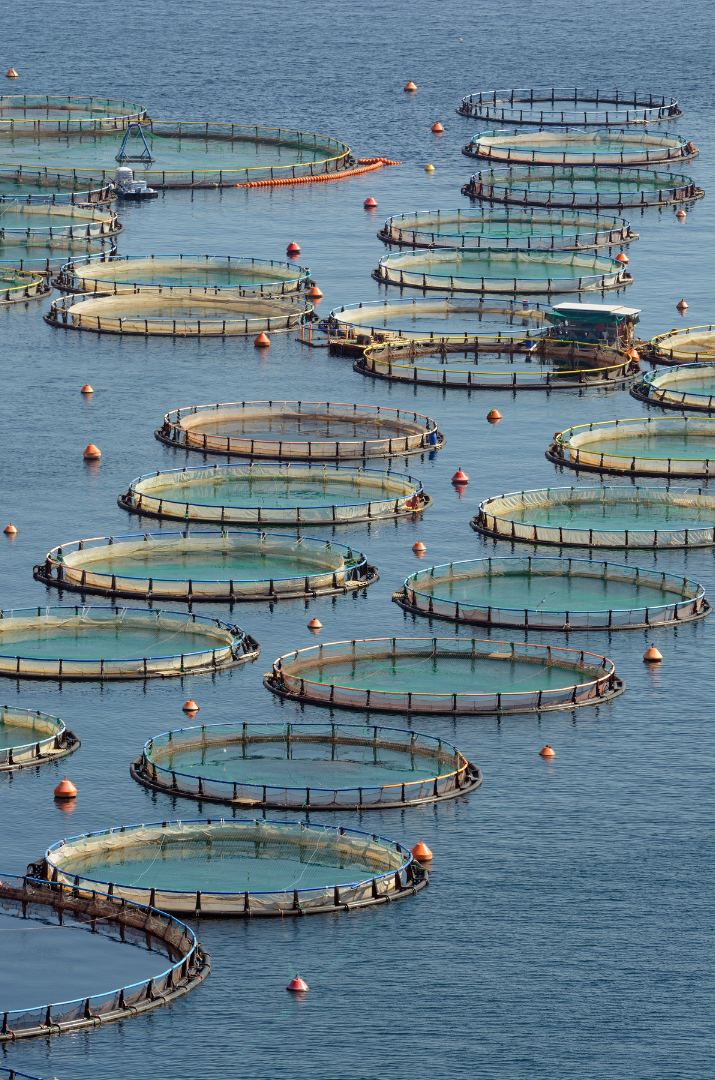
Investing in aquatic animal welfare results in better business outcomes. As highlighted in our Harmonizing Health and Welfare publication, operations that incorporate welfare present clear benefits that expose a more sustainable, harmonious relationship between industry actors and animals, while directly strengthening public health and environmental resilience.
Through our Corporate Program, we have supported the UK retailer Co-op in establishing their commitment to significantly improve shrimp welfare, as well as in prioritizing the certification of their seafood supply chain by schemes that consistently include welfare criteria into their standards. Our team has also worked collaboratively with Hilton Foods (page 25), BlueYou, Tesco, M&S, Waitrose, and other key market actors to help them embed aquatic welfare into their sourcing policies.
Turning meaningful welfare commitments into consistent, measurable results across global supply chains can be challenging. It requires the right tools, clear guidance, and interoperable systems. Over the past 2 years, ALI has led in the development of the Animal Welfare Extension Framework for the Global Dialogue on Seafood Traceability (GDST). The goal is to integrate animal welfare metrics into existing global traceability standards by defining standardized welfare Key Data Elements that can be recorded and shared across supply chains. Through this multistakeholder process, we aim to ensure that welfare data is collected and structured in a consistent way that makes reporting reliable, comparable, and actionable.
Building a More Resilient Food System
Corporations have the power and influence to help build a more ethical, sustainable, and resilient food system where the welfare of aquatic animals is a fundamental pillar. Our approach is guided by a Theory of Change that focuses on transforming the global seafood industry through collaboration and accountability. By providing the research and technical expertise needed to navigate supply chain complexities across the full spectrum of buyers, suppliers, distributors, and certifiers, we support companies in moving from high-level commitments to measurable impact.To advance this vision, we highlight three key steps companies can take:
Recognize the sentience of aquatic animals by announcing time-bound, species-specific, and clear welfare policies, grounded on the latest research
Protect aquatic animals by ensuring that welfare policies are implemented, guaranteeing accountability
Prioritize aquatic animal welfare by integrating metrics into the company’s broader ESG and biodiversity governance, ensuring a holistic and continuous approach to sustainable sourcing
Engage with us at SENA and SEG
As we head to Boston and Barcelona, for Seafood Expo North America and Seafood Expo Global, two of the world's largest annual seafood trade shows, our team looks forward to discussing how aquatic animal welfare can be truly incorporated into global operations. Building on the current welfare momentum within the industry, our Corporate Program is currently developing an Aquatic Animal Welfare Roadmap. This framework will be refined in collaboration with a select group of stakeholders to serve as a practical implementation guide. We invite forward-thinking companies to join us in this dialogue as we work to make high-standard aquatic welfare a priority part of the global seafood industry.
Please reach out to Julia Seibel, Head of Corporate Engagement at julia@ali.fish to know more and join this important discussion.