
Aquatic animals represent the overwhelming majority of animals in global food systems, yet their welfare remains largely absent from sustainability agendas and policies worldwide. Increasingly recognized for their sentience, capable of feeling pain and forming social bonds, these animals urgently need improved welfare and key protections.
That is where Aquatic Life Institute steps in.
As the only organization working on cross-sector institutional transformation for aquatic animals in global food systems, our goal is clear: ensure the welfare of aquatic animal welfare is recognized, protected, and prioritized in the frameworks that shape life below water.

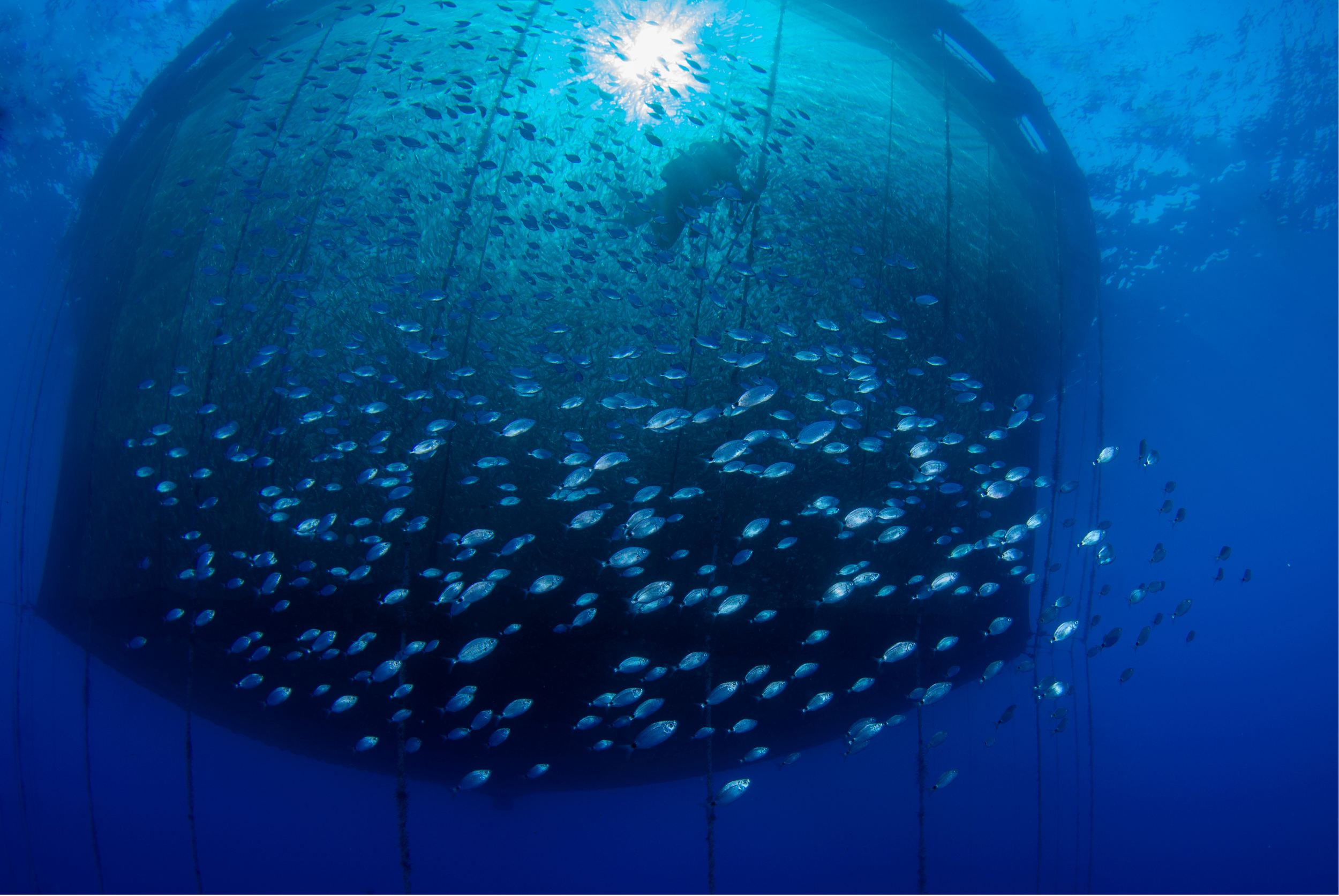
763 billion
shrimps and finfishes
farmed each year
trillions
of finfishes
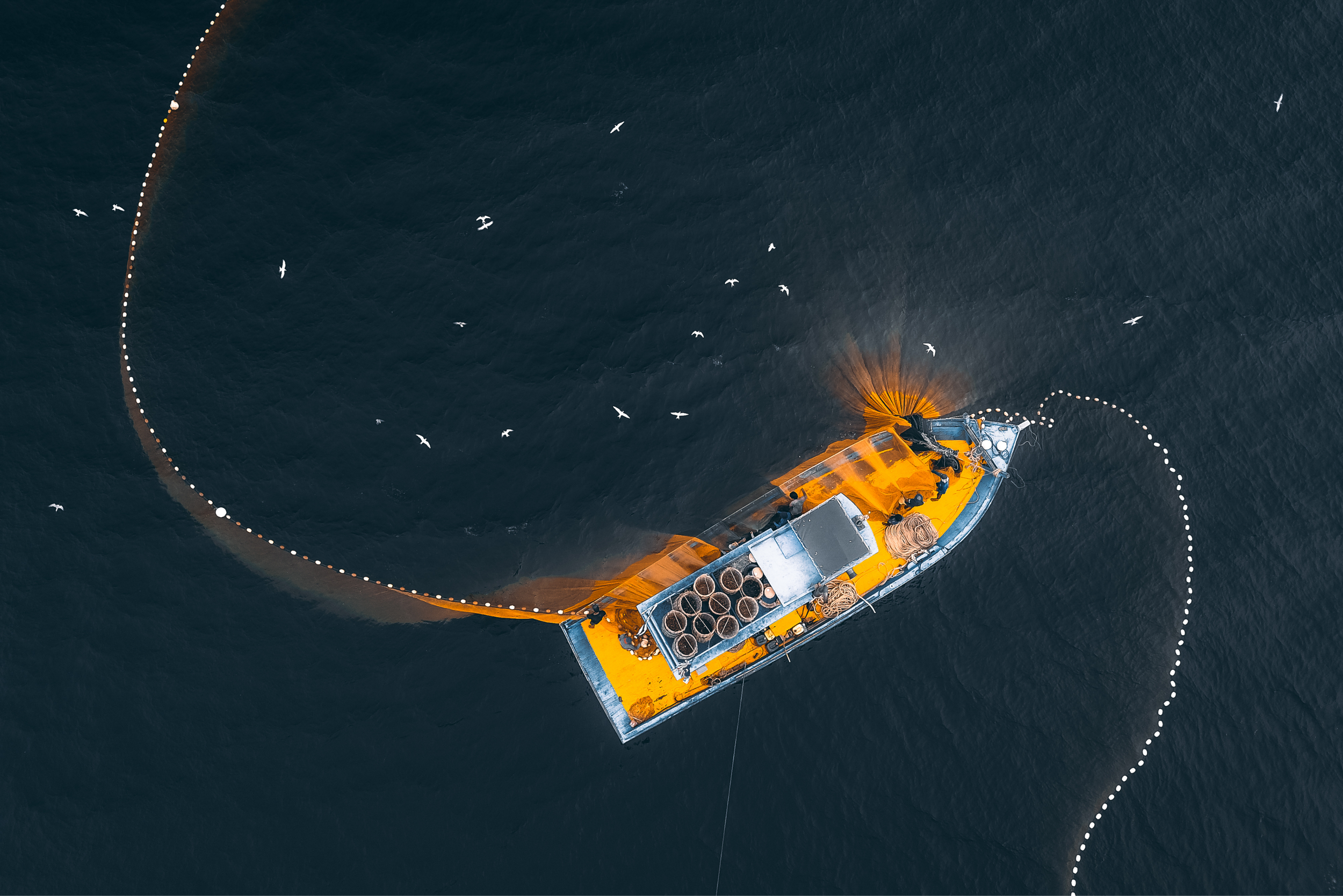
wild-caught each year


— Our centers of expertiseAquatic Life Institute advances systemic change.
To shift welfare from an afterthought to a decision-driver in the global seafood industry, our programs work to hardwire it into the policies, frameworks, and industry norms that govern our food systems and shape the treatment of aquatic animals.
-
Corporate Engagement
Engaging major food retailers to adopt and implement higher aquatic animal welfare policies in their sourcing practices
-
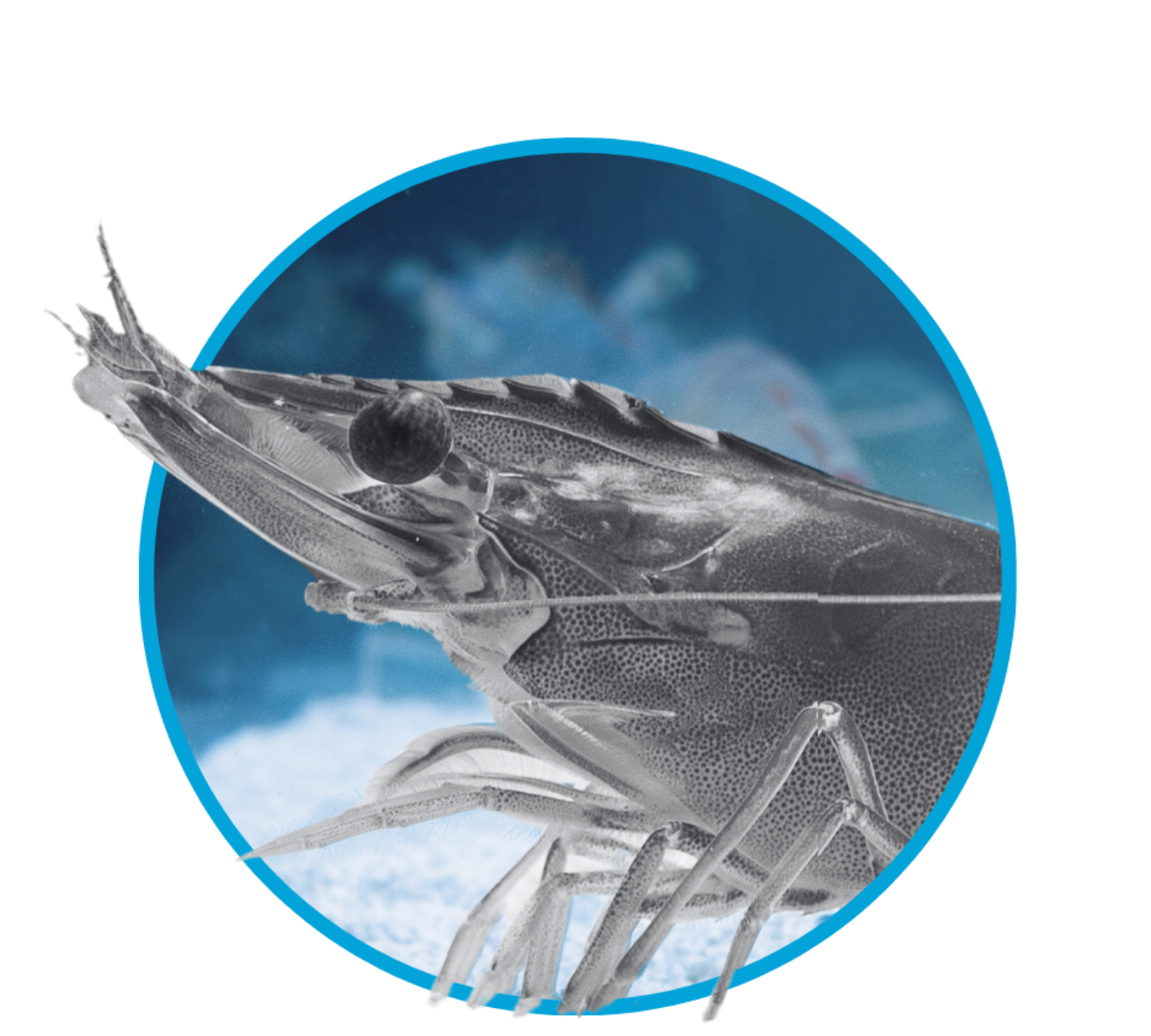
Certification Program
Evaluating and ranking global seafood certification schemes’ aquatic animal welfare standards to drive “ripple effect” improvements across the supply chain
-
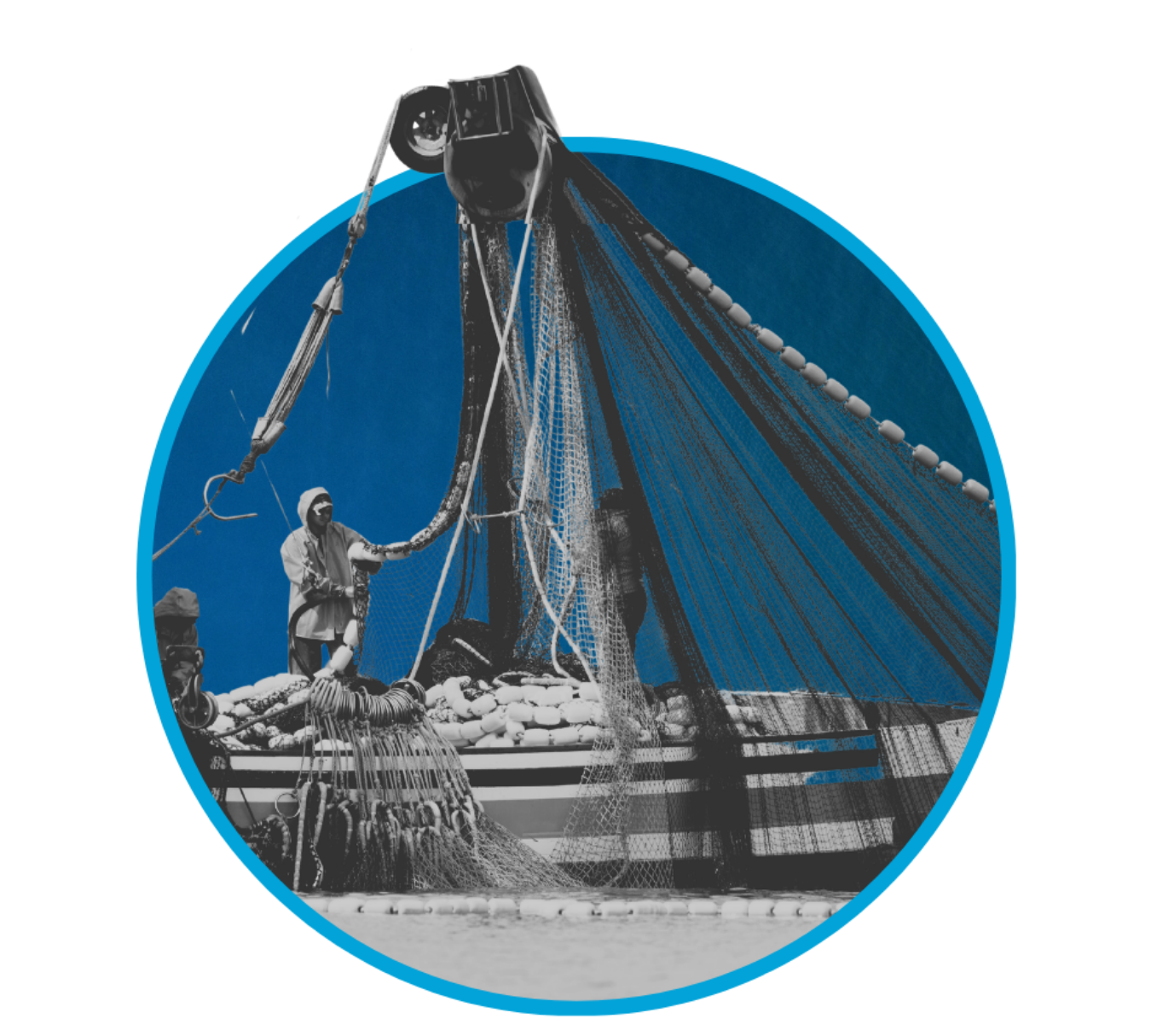
Policy Reform
Pursuing legally binding statutes, regulations, or ordinances protecting aquatic animal welfare and influencing non-binding policies, principles, and frameworks at the international, intergovernmental level to shape global norms
-
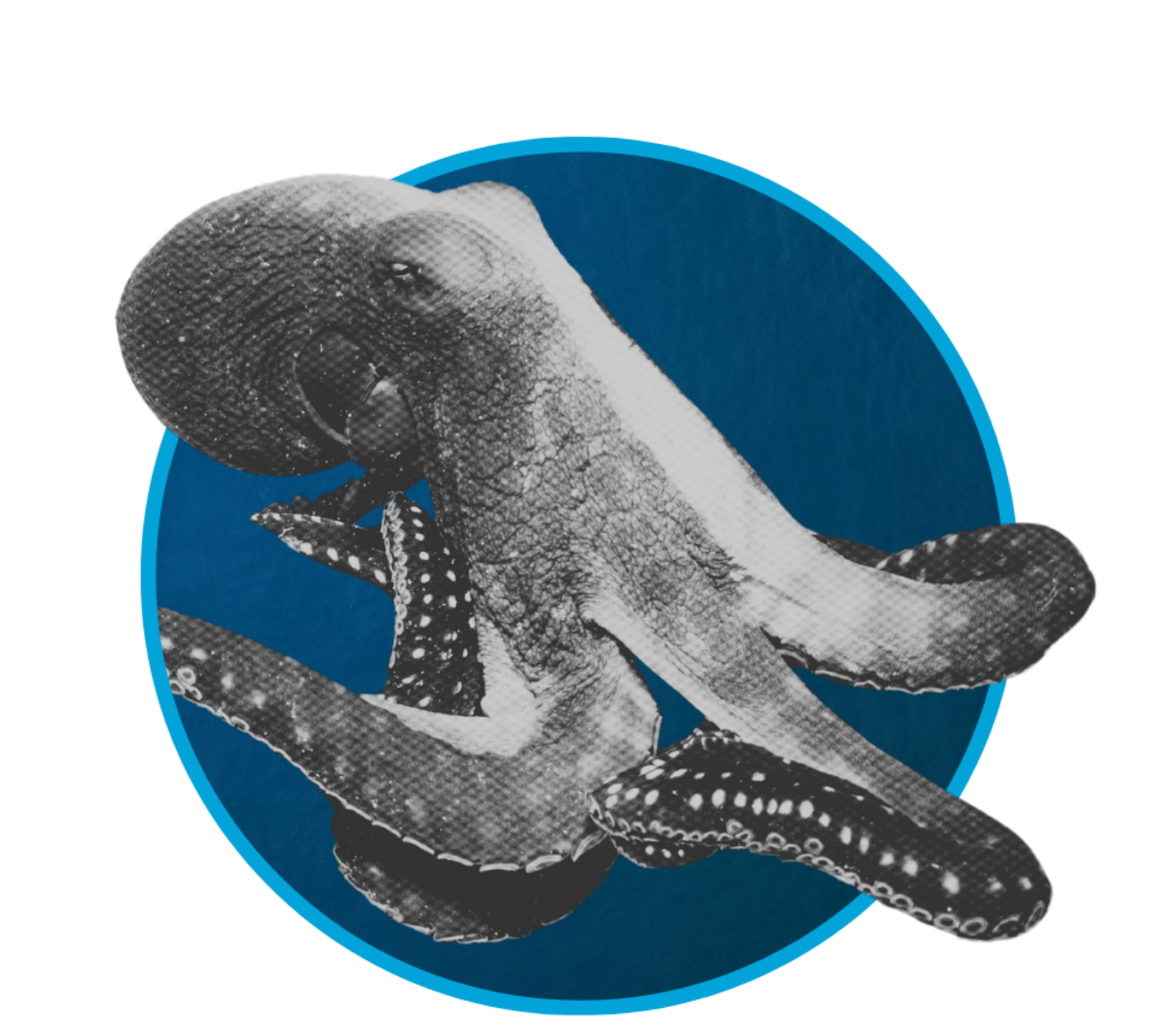
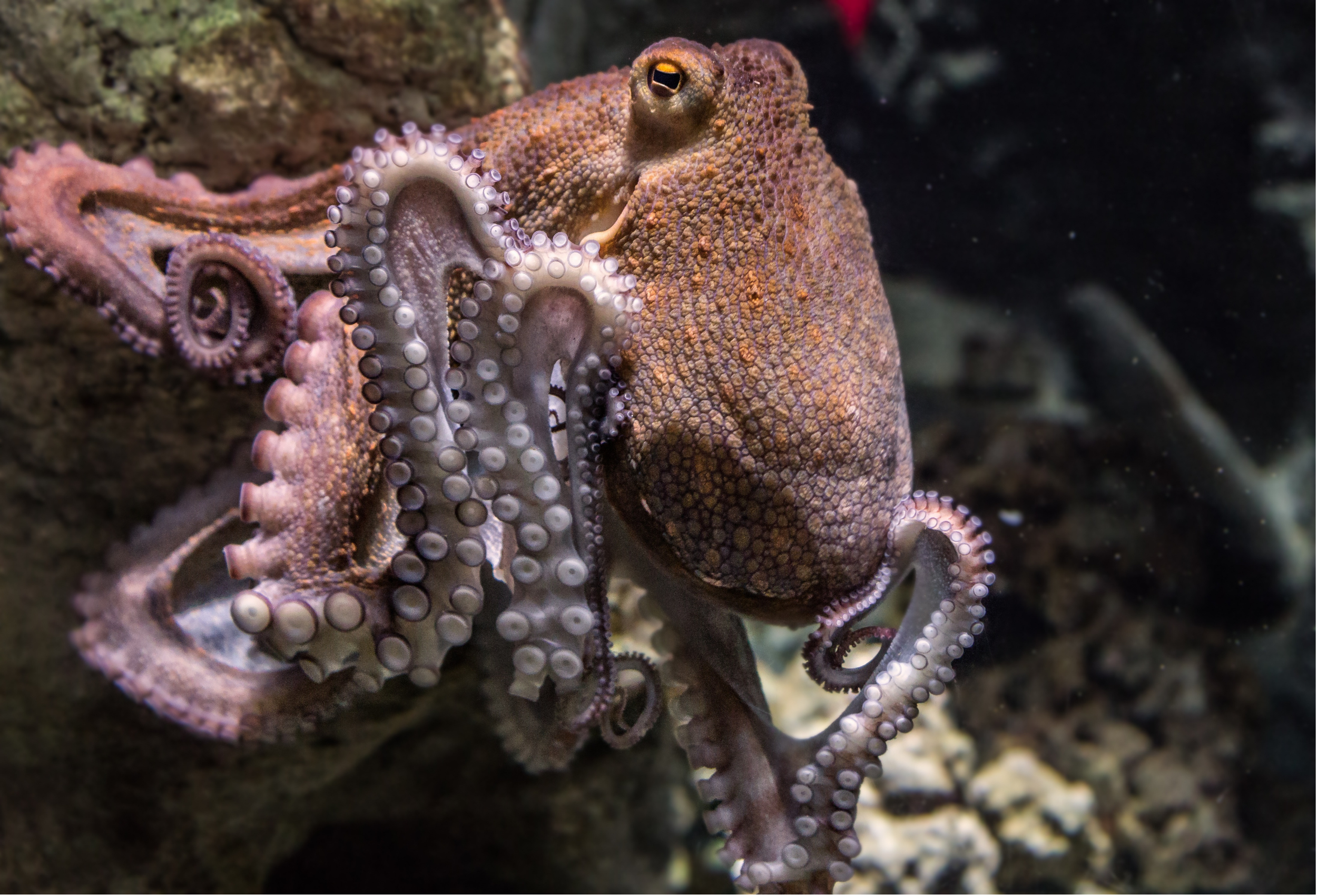
Octopus Farming Ban
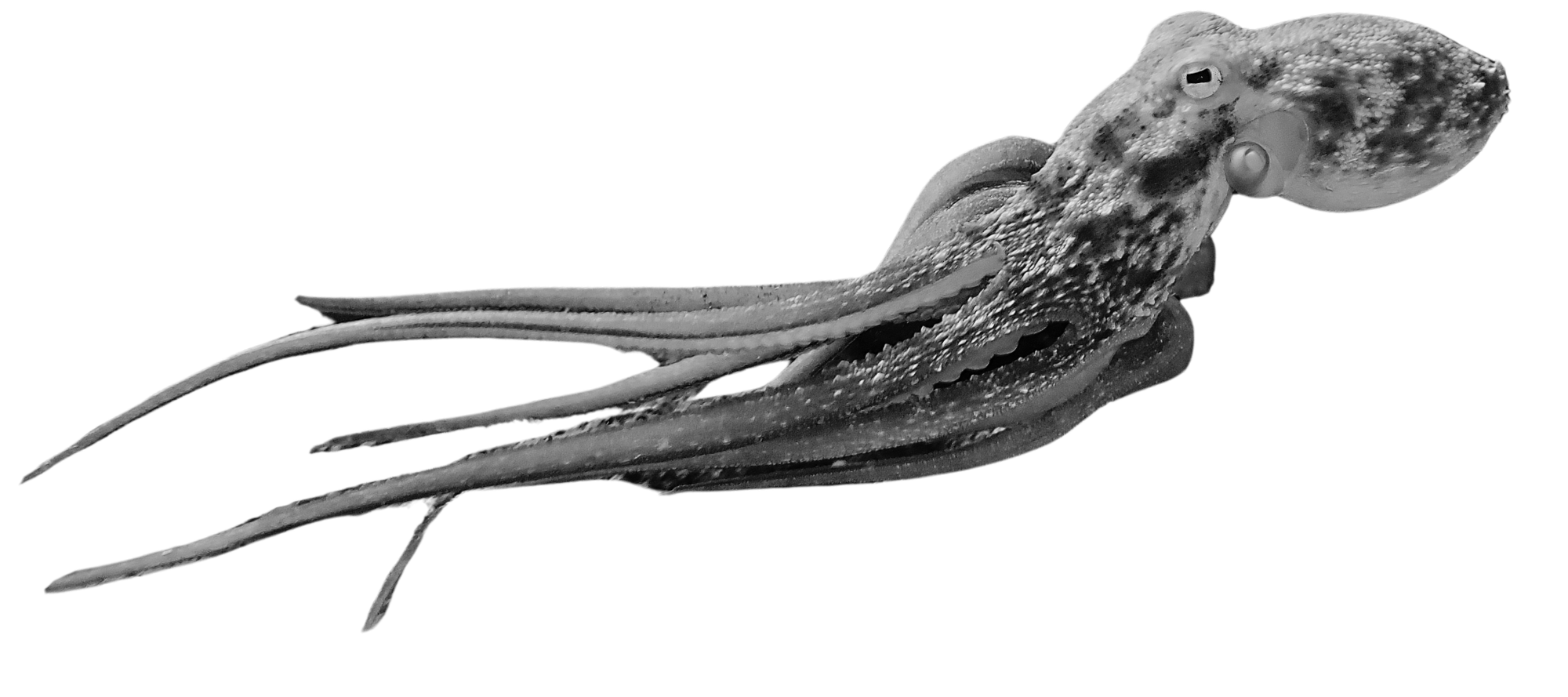
Working across policy, certification, and scientific advocacy to proactively intervene before the farming of one of the ocean’s most intelligent animals reaches commercial scale
-
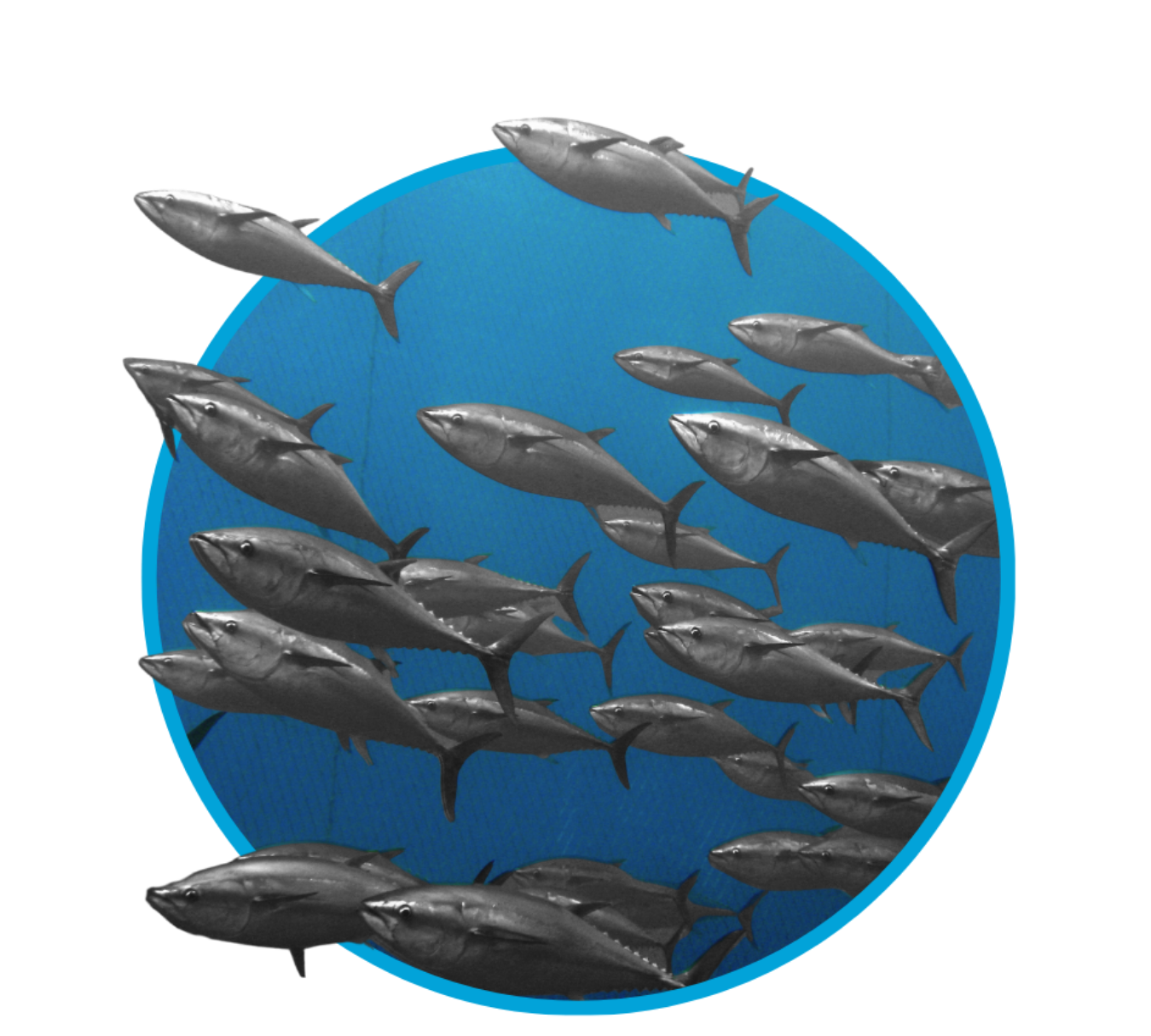
Research
Producing rigorous, relevant, and actionable knowledge that advances aquatic animal welfare as a critical pillar of sustainable food systems
-
Aquatic Animal Alliance
Uniting and strengthening a global movement for aquatic animal welfare by coordinating collective action and aligning efforts to drive measurable change across policy, markets, and standards
Our 2025 Impact
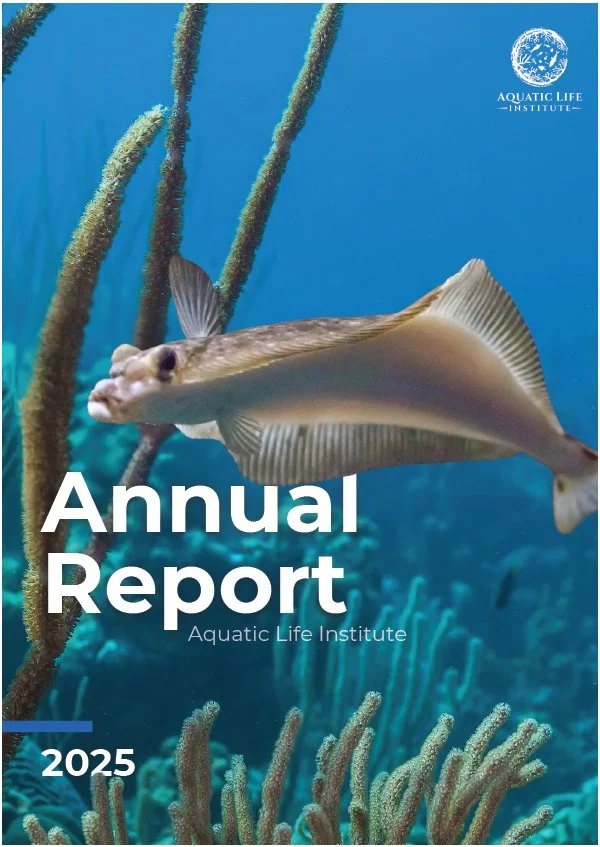
Our 2025 Annual Report examines how we brought the invisible majority into focus throughout the year. We invite you to take a deep dive in the featured case studies, which illustrate how our team exerts scientific expertise, global coordination power, institutional credibility, and cross-sector relevance through our defined Spheres of Influence to help trillions of aquatic animals.
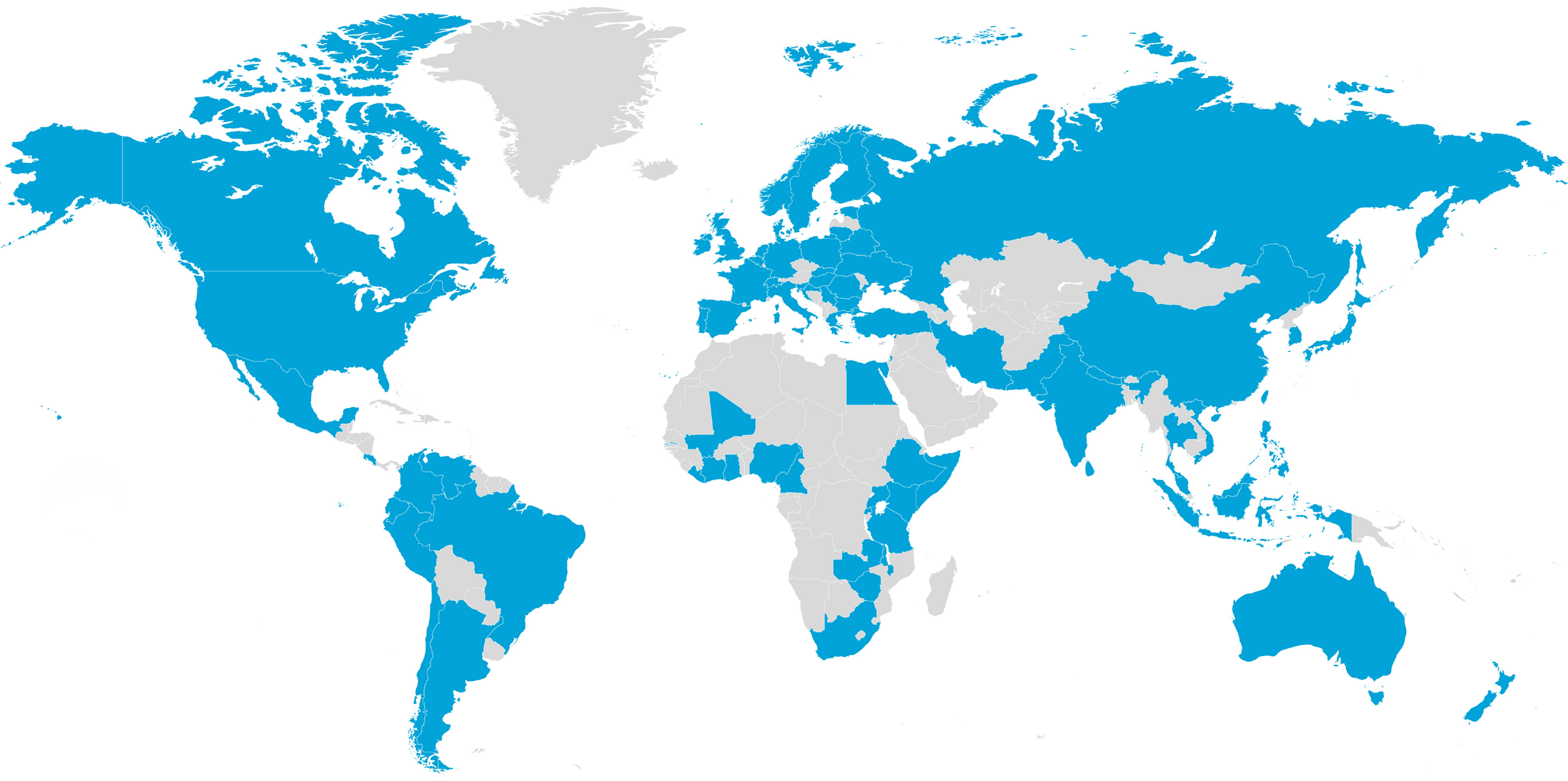
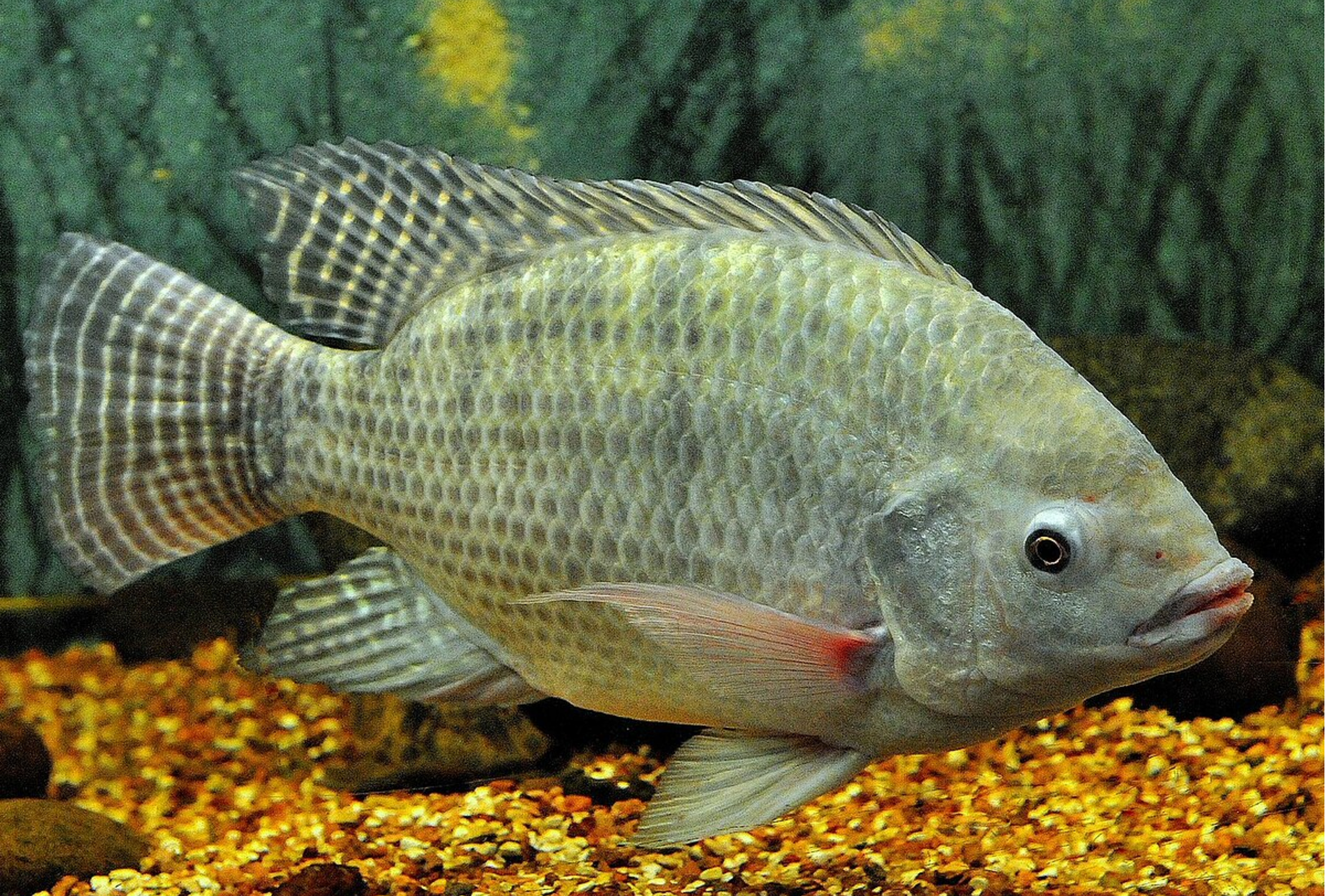
Launched in 2020 by Aquatic Life Institute, the Aquatic Animal Alliance (AAA) is a coalition of more than 190 advocacy organizations across 75 countries dedicated to improving the welfare of aquatic animals within the global food system. Our alliance embraces the collective power of experienced advocates and leaders in the animal welfare, sustainability, conservation, food systems transformation and policy spaces. From salmon in Scotland to tilapia in Lake Victoria to octopuses worldwide, we join forces and leverage the power of aligned, collective action to enact meaningful and impactful change.
The Aquatic
Animal Alliance