— Our Work / Policy ReformDefining the next generation of global food systems through public policy and governance frameworks
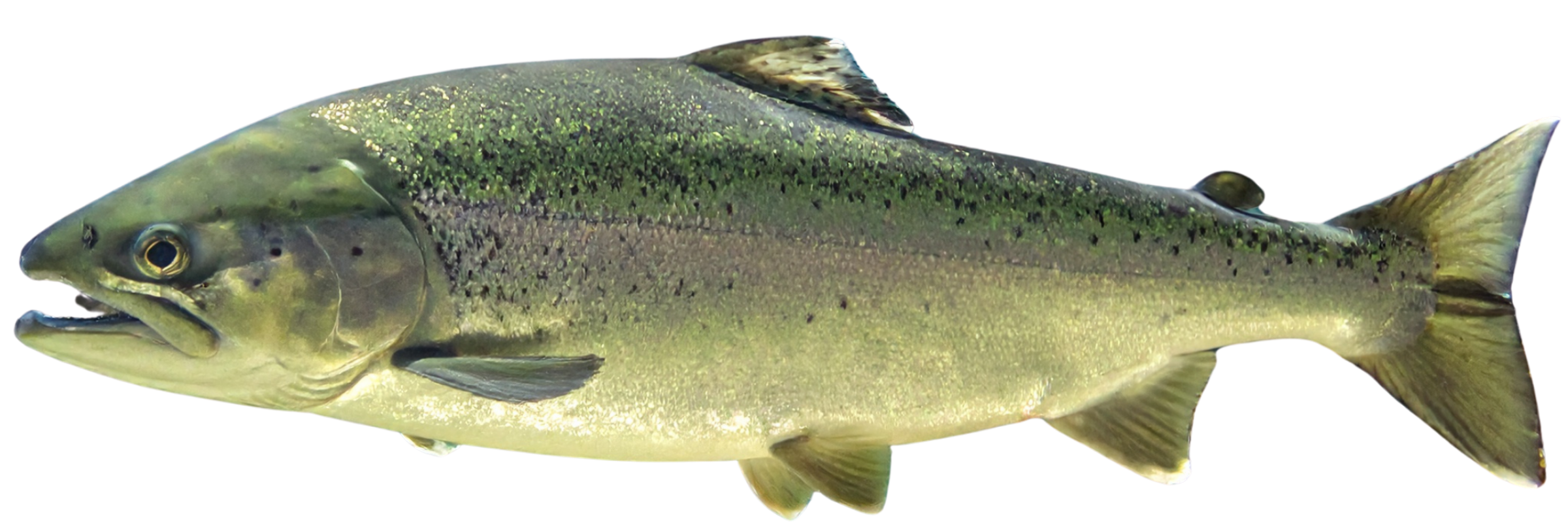

Aquatic animal welfare remains one of the least addressed areas within global governance, particularly in discussions about ocean and environmental health, food systems, and sustainable development.
By focusing our efforts on high-leverage institutions and processes, including the United Nations (UN), European Union (EU), Food and Agriculture Organization (FAO) of the UN, and other emerging engagement spaces, our policy reform team aims to improve welfare protections for aquatic animals by influencing public policy and governance frameworks at national, regional, and international levels, across both fisheries and aquaculture.
Embedding Welfare into Laws and Governance Frameworks
Our work in policy reform includes two connected but distinct areas of focus:
Legal and Regulatory Reform
We pursue legislation, legally-binding statues, regulations, ordinances, and institutional recognition that strengthen protections for aquatic animals across food systems and governance structures.
Our team conducts legal research, engages with policymakers, drafts and submits proposed legislative and regulatory language, and provides expert testimonies to advocate for binding laws worldwide. These efforts are key to position aquatic animal welfare as a credible and actionable area of public policy.
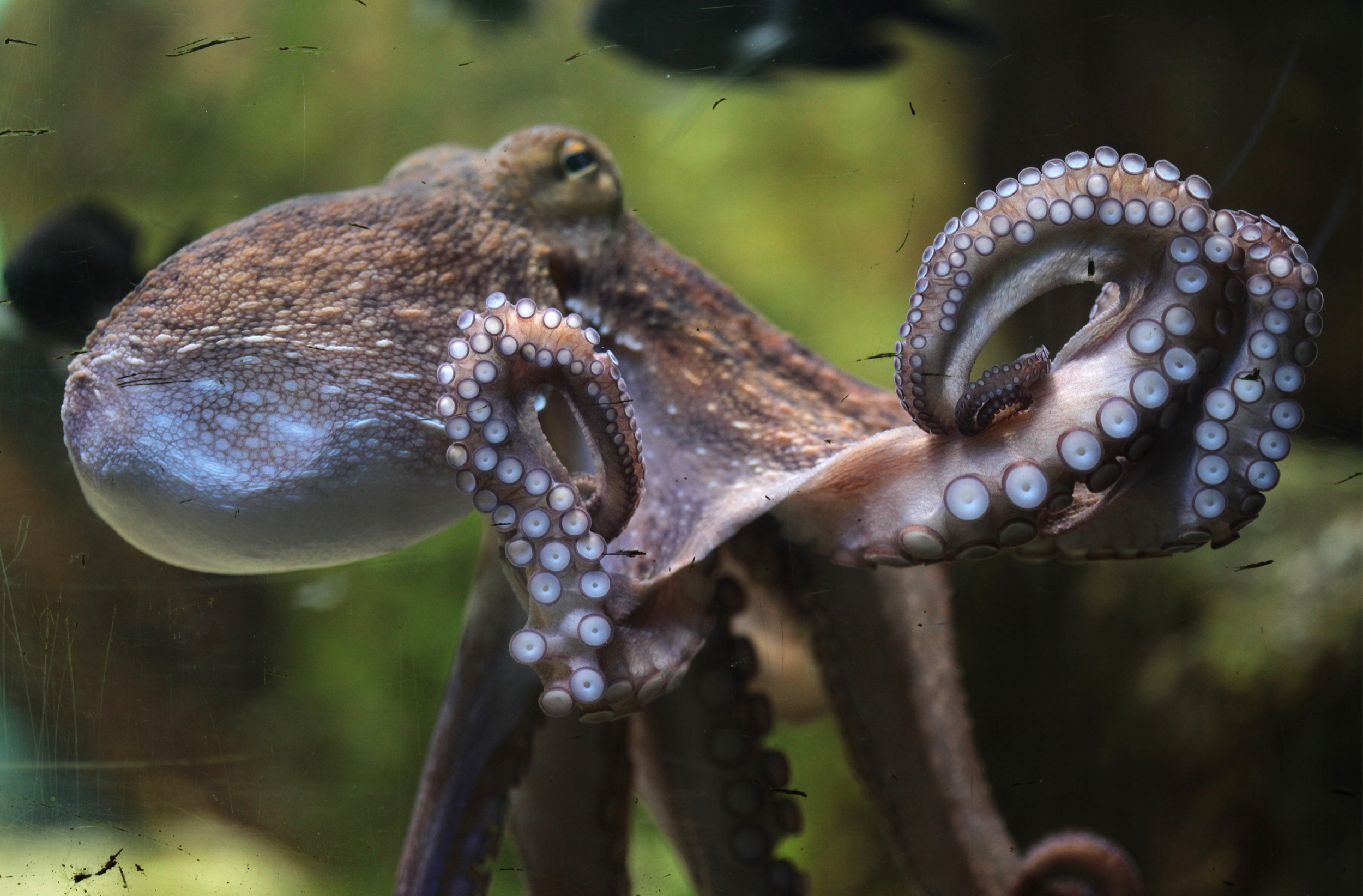
➔ Explore one of the ways our team pursues legal and regulatory reform through our Octopus Farming Ban campaign
Framework and Guidelines Development
Our team works to ensure that aquatic animals are explicitly included in the key international policies and frameworks that shape global norms, guide best practices, and influence future governance. This includes UN declarations, FAO guidance, World Organisation for Animal Health (WOAH) standards, and NGO or industry frameworks.
These efforts lead to aquatic animal welfare language being included in influential non-binding instruments as part of broader commitments to sustainable food systems and environmental governance.
Global policy forums, like the UN, carry immense signaling power. Our team works to establish aquatic animal welfare as a legitimate component of Sustainable Development Goals (SDGs), Environmental, Social, Governance (ESG) targets, and One Health objectives to influence international legal frameworks and drive widespread industry compliance, helping institutionalize higher welfare practices at scale.
➔ Read our Benefits of Aquatic Animal Welfare for the Sustainable Development Goals report

See how our team shows up at high-impact global policy forums like the High-Level Political Forum, where we were selected for the role of Lead Discussant for SDG 14: Life Below Water.
Our intervention directly connected aquatic animal welfare to biodiversity, food security, livelihoods, and public health indicators. Notably, this was the only intervention introducing animal welfare into the official SDG 14 dialogue, helping shift welfare from an advocacy concept to a policy-relevant component of the 2030 Agenda.
A Focus on Fisheries
Our distinct approach to policy reform includes a focus on addressing welfare in wild-capture fisheries in addition to aquaculture facilities. Our team works to translate animal welfare science into practical interventions that can be applied at scale.
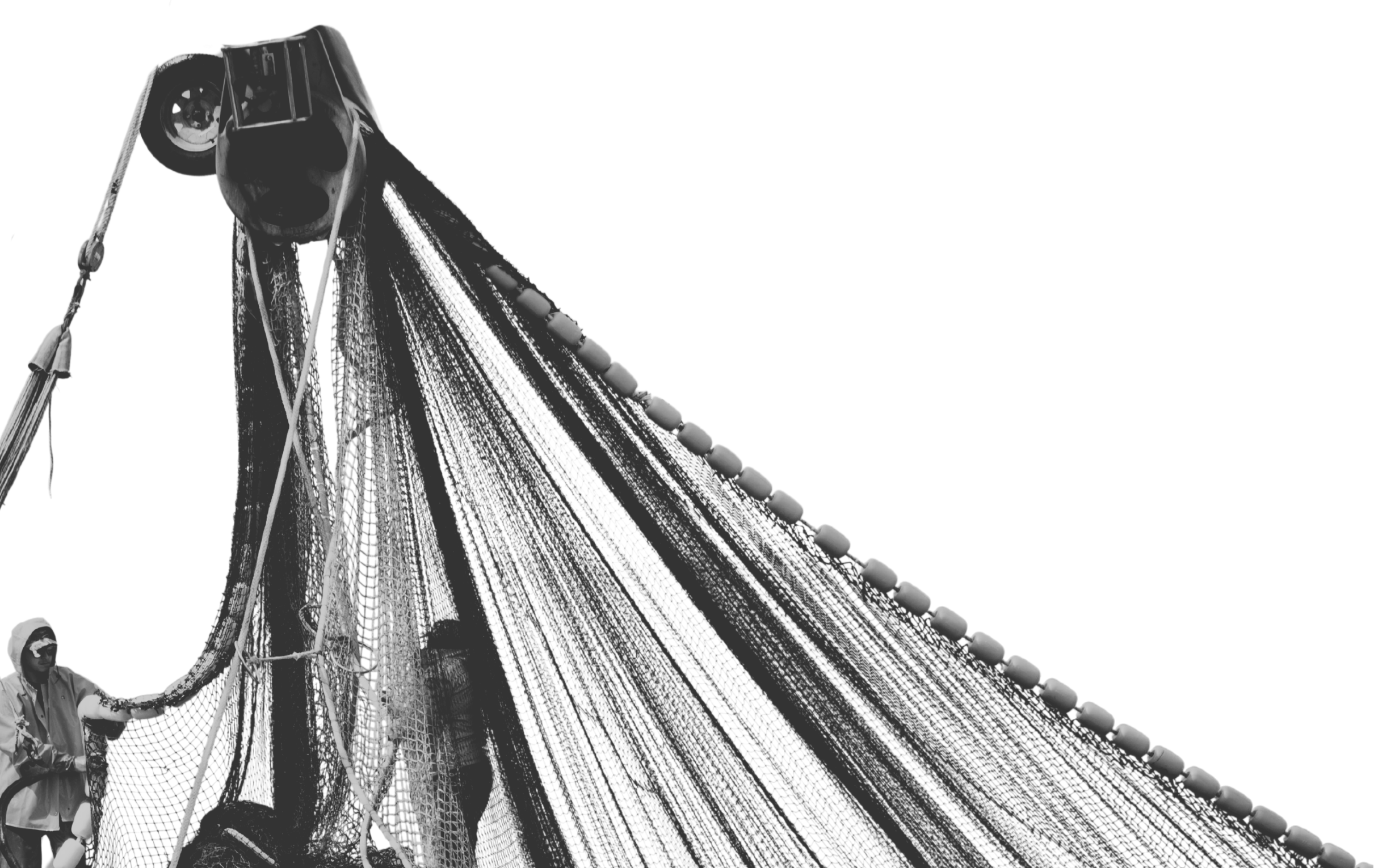
Fishing practices directly affect animal suffering and product quality. Every year, trillions of fishes and other aquatic animals are subjected to capture methods that can cause prolonged stress, injury, and asphyxiation.
Our team is helping define what animal welfare in capture fisheries means in practice through strategic collaborations with industry stakeholders, scientific bodies, and international institutions and policy processes, such as the International Council for the Exploration of the Sea (ICES), the Food and Agriculture Organization (FAO), and UN Ocean, establishing animal welfare as a pillar of ocean governance and fisheries management.


Progress in Practice
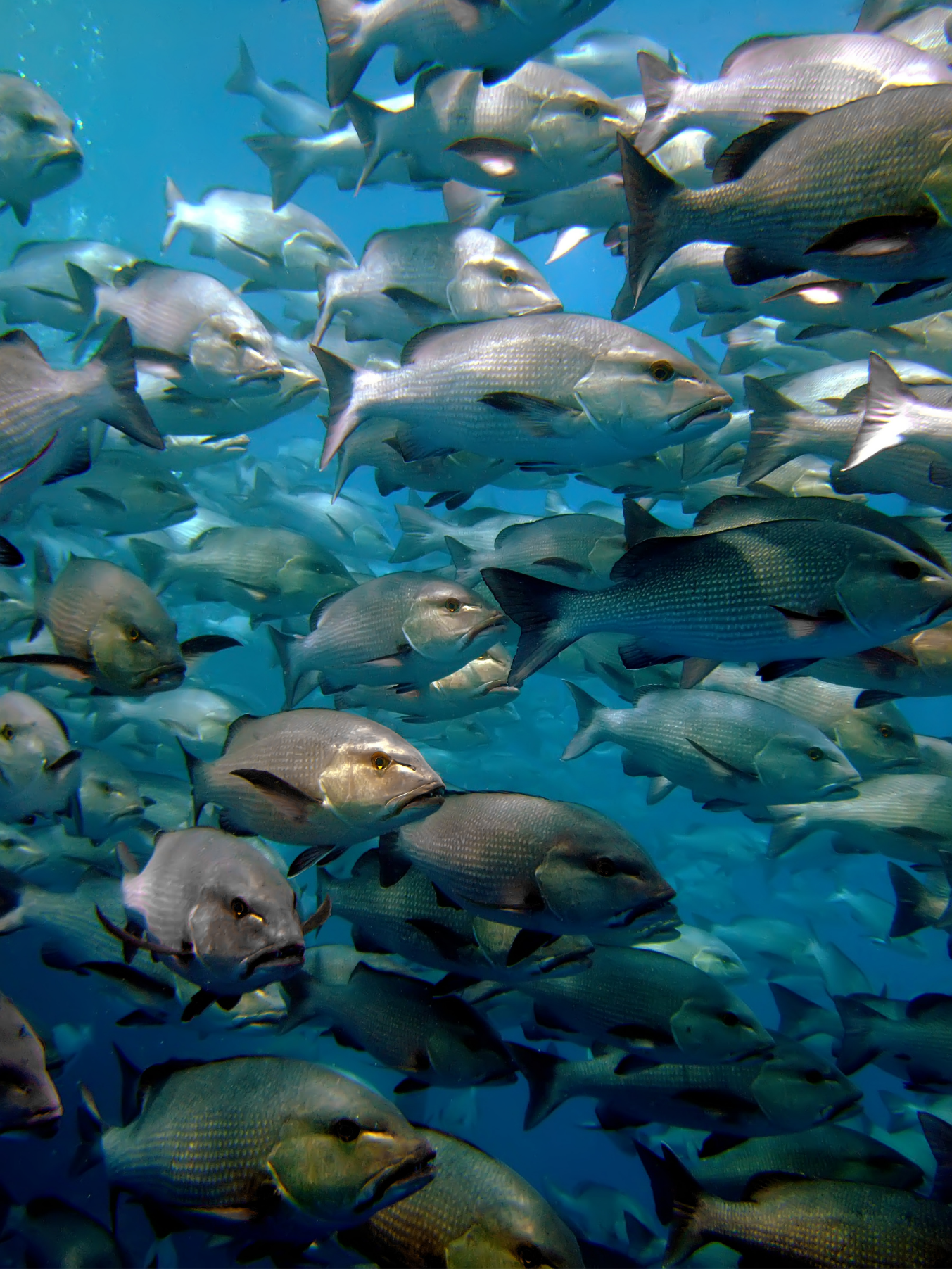
Translating scientific evidence and welfare principles into concrete policy tools, guidance, and regulatory frameworks
Our work, including our publication on stunning and slaughter best practices, was cited in the European Commission’s Code of Good Practices on Fish Welfare and Fish Welfare Indicators (2025). This integration of our team’s expertise into EU-level guidance that informs both regulatory development and industry practices strengthens protections for aquatic animals by embedding welfare considerations into the systems that govern production, handling, and slaughter.
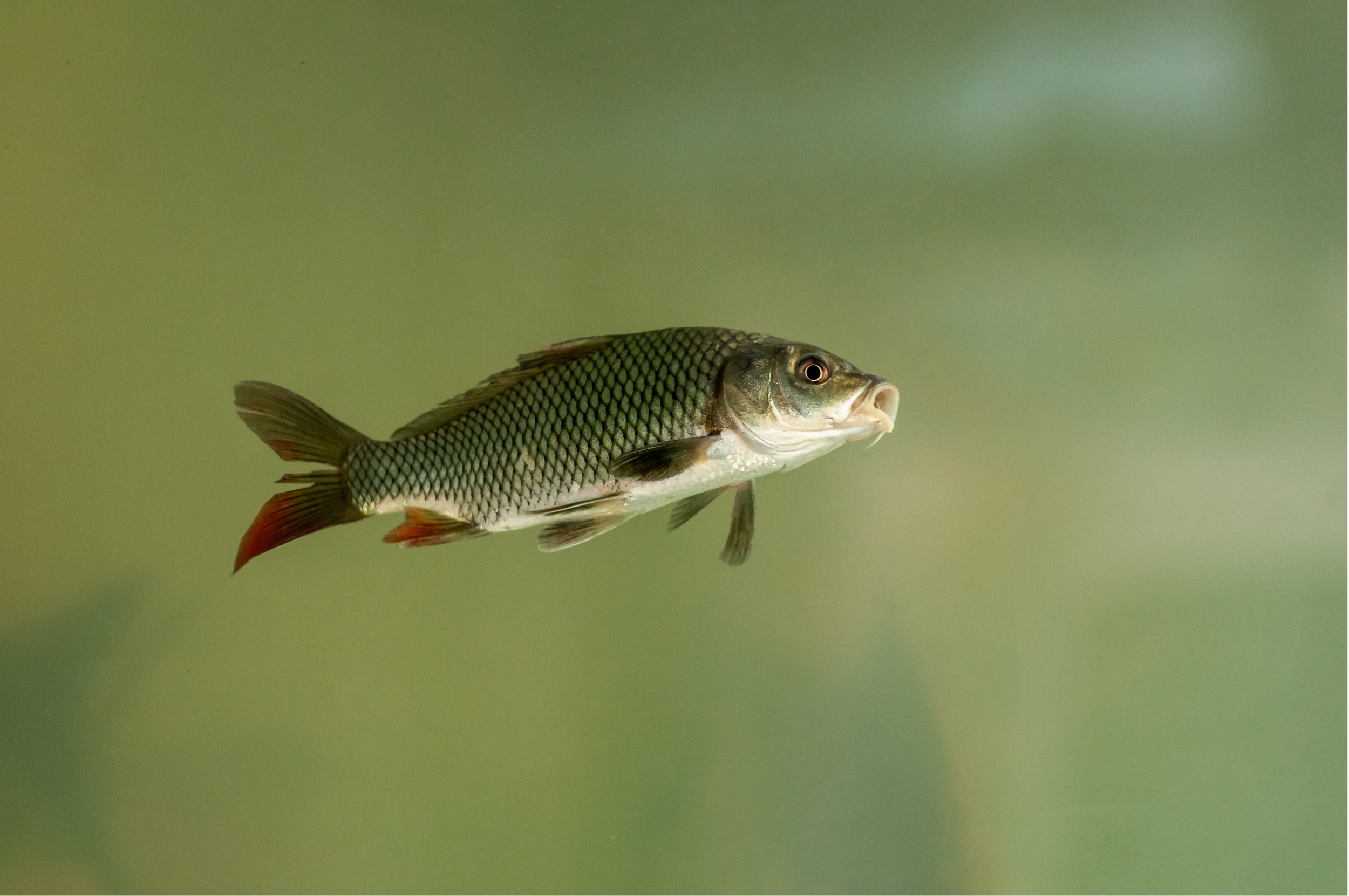
Prioritizing aquatic animal welfare within decision-making processes
Our report Benefits of Aquatic Animal Welfare for the Sustainable Development Goals has been cited by the High Level Panel of Experts on Food Security and Nutrition (HLPE-FSN) of the Committee on World Food Security (CFS) in its report on Building Resilient Food Systems, marking a significant step in positioning welfare as relevant to resilience, food security, and sustainability debates.
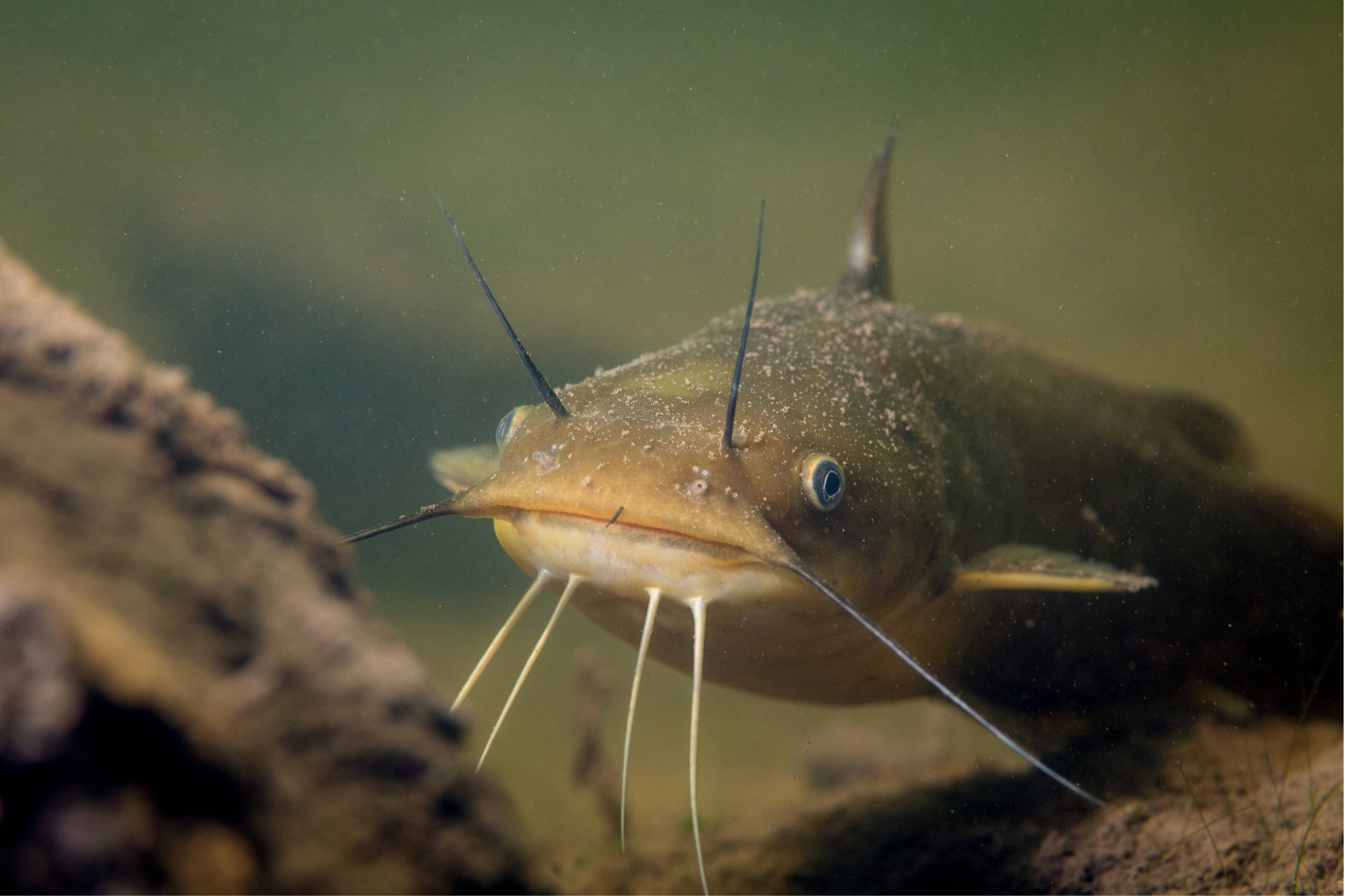
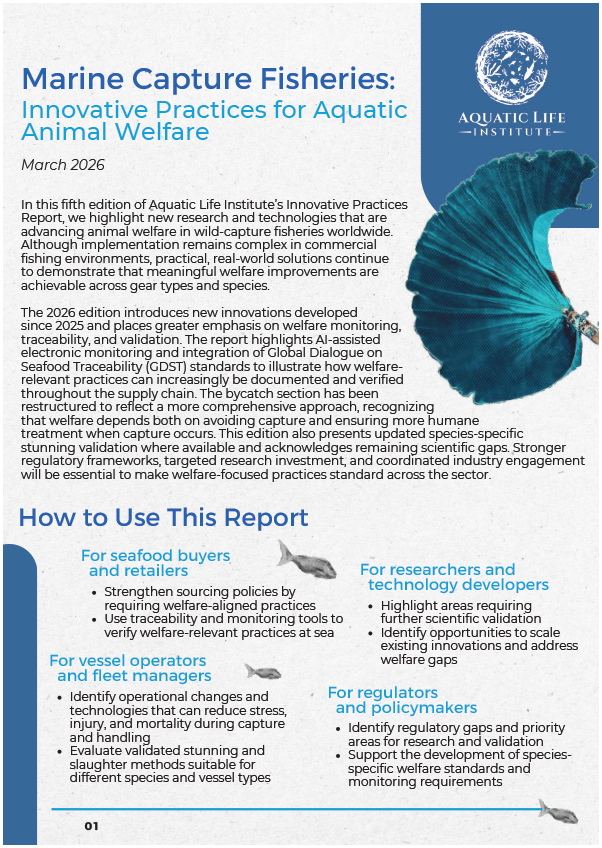
Welfare has traditionally been difficult to measure in wild-capture systems
By leading in initiatives like the Global Dialogue on Seafood Traceability's Animal Welfare Dialogues, ALI is working to define key data elements that allow welfare to be tracked, verified, and improved across supply chains. We are shaping how welfare becomes a measurable and actionable part of “responsible seafood.” This has been recognized by FAIRR.
Policy Coalitions, Memberships, and Affiliations
-
Global Dialogue on Seafood Traceability (GDST)
-
World Federation for Animals (WFA)
-
International Coalition for Animal Welfare (ICFAW)
-
International Council for the Exploration of the Sea Working Group on Aquatic Animal Welfare (WGAAW)
-
Aquaculture Advisory Council (AAC)
-
Long Distance Advisory Council (LDAC)
-
Co-Chair of Pelagic Advisory Council (PelAC)
-
UNESCO-IOC Ocean Literacy - The Blue Thread Initiative
-
UN Ocean Decade (link endorsed action)
-
EU Blue Economy Observatory
-

Conservation Alliance for Seafood Solutions (CASS)
-
Just Food Transition Network
-
Food & Climate Action Group
-
Eurogroup for Animals
-
Cure4Aqua
-
Rise Up
Contact

Christine Xu
➔ Contact our Head of Global Seafood Systems Transformation to explore pilot projects, discuss welfare improvements in fisheries, learn about GDST digital traceability systems, or feature your tech or research in our annual innovative practices report.

Giulia Malerbi
➔ Contact our Head of Global Policy to collaborate on policy development, legislative initiatives, and strategic advocacy