
— Our Work / Corporate EngagementLeading Companies to Higher-Welfare Futures
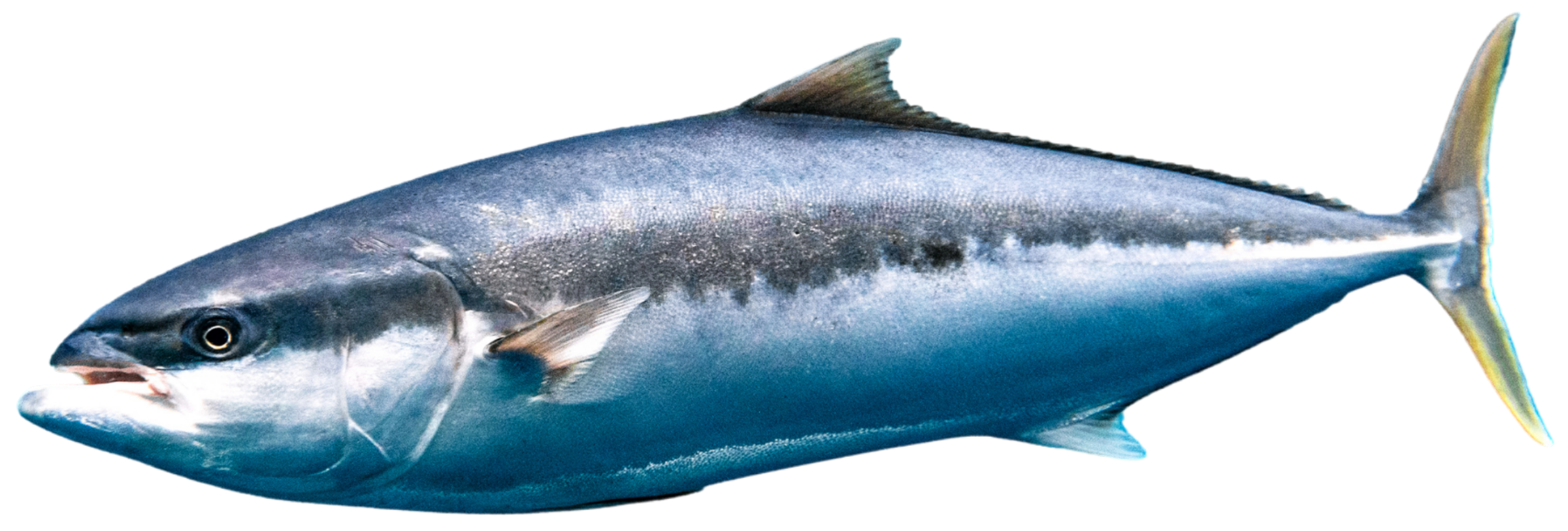

Corporations can influence conditions for billions of aquatic animals across global supply chains through sourcing and procurement decisions.
From retailers and value chain partners to suppliers, processors, and distributors, we work with key actors in the industry to navigate the complex seafood supply chain, providing the expertise needed to introduce and improve aquatic animal welfare policies across their operations worldwide. Our team ensures that these welfare improvements are ambitious, viable and, most importantly, impactful for animals, as well as aligned with global priorities like the UN Sustainable Development Goals.
Often, aquatic animal welfare considerations are intrinsically tied to companies’ existing priorities, such as increasing profit and minimizing risk in the supply chain, responding to consumer demand for ethical and responsible sourcing, and Environmental, Social, and Governance (ESG) frameworks, including reducing carbon emissions. Acting as a solutions broker, our team helps corporations seamlessly integrate or improve welfare standards into their current operations, craft public commitments, and set measurable targets.
Corporations have the power to help build a more ethical, sustainable, and resilient global food system where the welfare of aquatic animals is a fundamental pillar.



Read our Business Guide to Ethical Sourcing
Creating Waves for Aquatic Animal Welfare through Corporate Engagement
In a market where consumers, investors, and regulators demand transparency and sustainability, high animal welfare standards are no longer optional - they are integral to building a resilient and responsible business. With ALI’s support, companies are increasingly recognizing this fact and prioritizing aquatic animal welfare in ways that are both scientifically robust and operationally feasible.

Iceland expands ASC Coverage
In working with Iceland’s sustainability team, we provided resources and guidance in support of their progress toward a more ethical and responsible supply chain, including the suggestion to expand their certification coverage by prioritizing top-ranked schemes from our Aquaculture Certification Schemes Benchmark.
Co-op announces: 100% ASC certification by 2027 in its own label fresh & frozen products
Throughout two years of engagement leading up to this announcement, we provided multiple resources, frequent meetings, and recommendations on their welfare report, in addition to presenting a webinar on aquatic animal welfare for their team. ALI also supported Co-op in developing their shrimp welfare policy.
BlueYou commits to aquatic animal welfare
Our team reviewed and drafted BlueYou's first welfare report, covering farmed finfish, shrimp, crab and bivalves; and wild-caught fish, decapod crustacean, squid and octopus.
Hilton Foods unveils new crustacean welfare policy with support from Aquatic Life Institute
We supported Hilton Foods, a leading international multi-protein processor, in producing their first crustacean welfare policy, recognizing crustaceans as sentient beings and addressing their welfare during farming, transport, and slaughter.

Tesco's Commitment to Shrimp Welfare
Tesco, the largest retailer in the United Kingdom, published a comprehensive decapod crustacean welfare policy in 2024, developed with the support of ALI and other organizations. In advance of this policy release, our team advised Tesco on aquatic animal welfare, sharing science-based resources to support their decision-making process, and providing feedback on policy drafts.

Marks & Spencer (M&S) produces Decapod Welfare Policy
Our team supported the launch of Marks & Spencer’s (M&S) Decapod Welfare Policy in 2024, which states that 100% of the warm-water prawns are eyestalk ablation-free, demonstrating a proactive approach to ethical sourcing and transparent communication.
At Co-op, we are committed to continuously improving animal welfare standards, and all our fresh and frozen prawns, including where used as an ingredient, are 100% ablation free and we will implement electrical stunning across our entire prawn supply chain by 2027. Support from organisations such as Aquatic Life Institute has been invaluable, and we’re proud to be making this change.
— Co-op, via spokesperson
“
Our Corporate Roadmap to Prioritizing Welfare
Aquatic animal welfare spans multiple species, production systems, and fisheries contexts, requiring tailored approaches rather than one-size-fits-all solutions. We work with companies at different stages of their journey, helping them identify key risks and opportunities and define clear, measurable, and operational improvements across their supply chains.
To support this work, we developed the Aquatic Animal Welfare Roadmap (AAWR), a practical framework that provides companies with a phased approach to assessing current practices, identifying priorities, and tracking and reporting on improvements in aquatic animal welfare. The tool is currently being shared with select companies and partners ahead of its public launch in early 2027.
The Roadmap was developed with input from select companies and members of the Aquatic Animal Alliance (AAA). It is championed and supported by 180 organizations within the Alliance.
Our team welcomes collaborations with companies across all stages of the supply chain, as well as engaging with broader industry stakeholders, including associations, that help shape sector-wide progress.
Contact