— Our Work / Certification ProgramRedefining standards and labels to include robust animal welfare considerations

Our Certification Program both improves and holds accountable the standards that determine how aquatic animals in the global food system are treated throughout their entire life cycles. Our goal is to ensure that seafood products labeled as “sustainable” or “responsible” include the most robust animal welfare considerations.
Through structured feedback cycles, technical discussions, and draft reviews, we work collaboratively with certification bodies, retailers, and producers to produce recommendations that are actionable, science-based, and aligned with real-world implementation challenges.
Now in development of its fifth edition, our Aquaculture Certification Schemes Benchmark remains the only global, evidence-based tool dedicated to evaluating the strength and clarity of animal welfare language within aquaculture certification schemes and rating agencies.
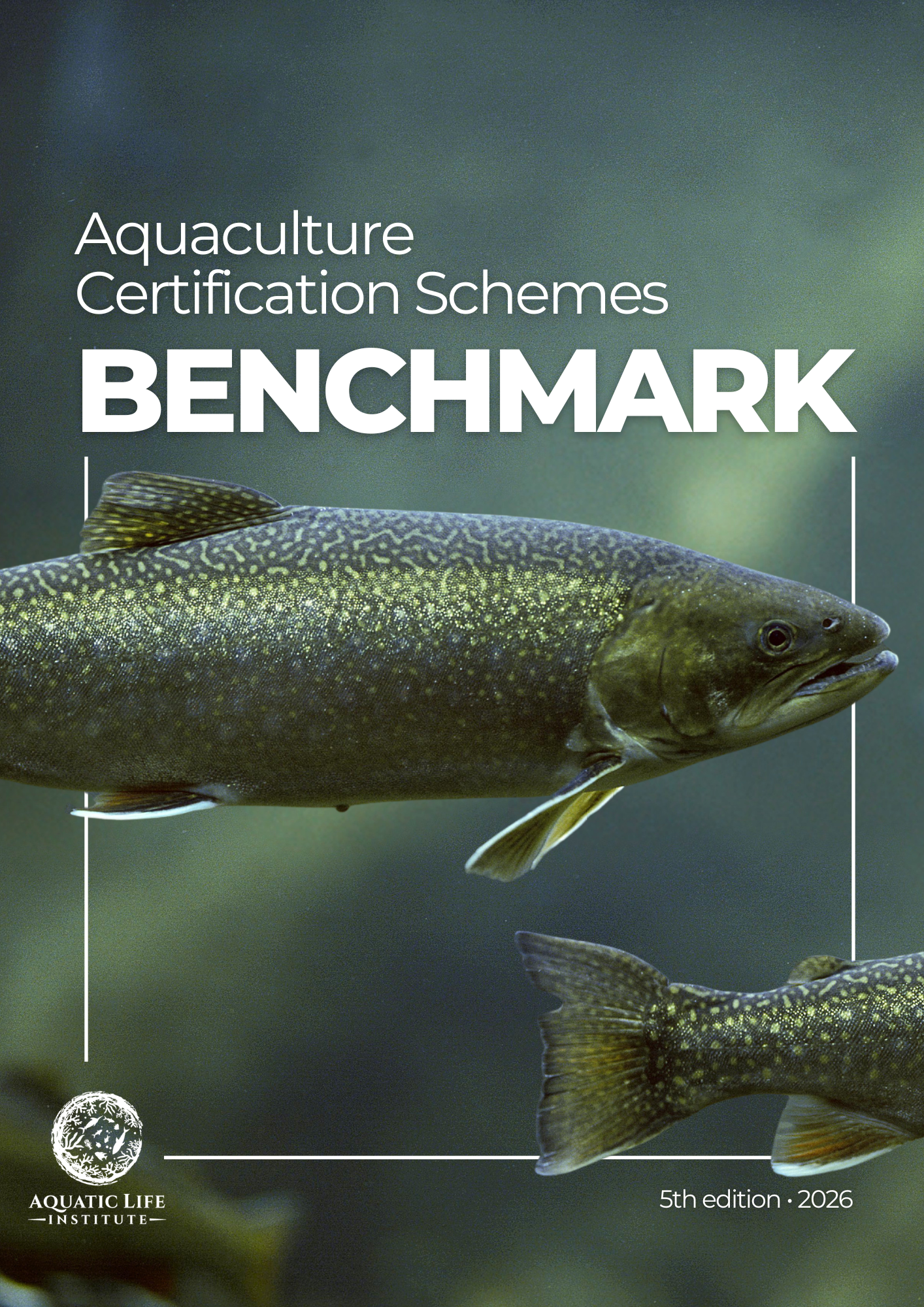

Read the latest edition of the Aquaculture Certification Schemes Benchmark

Improving the standards of seafood certification schemes and rating agencies helps aquatic animals.
The concept of what constitutes a “high welfare seafood product” is still currently largely undefined worldwide. Disjointed labeling regimes are bad for both the animals and for consumers who are trying to make responsible purchases. In terms of aquaculture, “humanely-raised” standards must include more than just stunning before slaughter. Specifically, the welfare conditions all the way from birth to death during each life stage must be considered. Healthy aquatic animals in both physical and psychological terms translates to less stress and disease, less antibiotic use, and fewer deaths before they even reach the market.
Furthermore, we also advocate for high welfare standards for aquatic animals not directly used for human consumption, such as cleaner fish, feeder animals, and broodstock. As for wild-caught aquatic animals, we hope to see an end to destructive fishing practices that cause bycatch, illegal, unreported and unregulated fishing, and we aim to minimize the suffering of aquatic animals during the time of capture, retrieval, onboard handling, transport, and stunning & slaughter.
Our theory of change acknowledges that getting aquatic animal welfare concerns onto the agenda for major certification schemes is a significant step for upstream influence, and that's exactly what efforts like our Benchmark report have accomplished. However, we recognize that the enforcement of these standards, as audited and held accountable by third parties, is extremely important. As these are separate issues - creating the standards and, in turn, enforcing them - our Benchmark scoring system does not currently analyze enforcement and compliance, but we believe these areas are critical to long-term success.

Our Aquaculture Certification Schemes Benchmark evaluates how certification programs and rating agencies incorporate animal welfare into their standards, using a rigorous, evidence-based methodology, covering core aspects such as water quality, stocking density, environmental enrichment, feed composition, transport and handling, and stunning and slaughter. The annual assessment focuses specifically on the quality, specificity, and enforceability of welfare language, not marketing claims, creating a transparent and comparable view of performance across schemes. Through structured feedback cycles, data exchanges, and technical discussions, our team has established itself as a trusted partner in standard development.
Beyond producing a comparative ranking, the Benchmark functions as a constructive accountability and improvement tool, effectively encouraging certifiers to strengthen their welfare standards while guiding corporations, policymakers, and advocates toward evidence-based decision-making.
Each edition of the Benchmark increases the number of certification schemes and rating agencies assessed, broadening coverage across geographies, species, and production systems. This expansion is critical to improving sector-wide transparency, capturing emerging or previously unassessed standards, and ensuring that the Benchmark remains a relevant and comprehensive reference point for stakeholders making sourcing, policy, and investment decisions.
Through this ongoing review process, we drive progress from welfare awareness to concrete implementation, helping to position animal welfare as a defining principle of responsible and ethical aquaculture.

The Benchmark

➔ Read our recent editorial in Feed & Additive: From Labels to Levers: How Benchmarking Is Reshaping Aquaculture Sourcing Decisions
Key Welfare Developments Driven by The Benchmark
Adoption of key welfare prohibitions by certification schemes
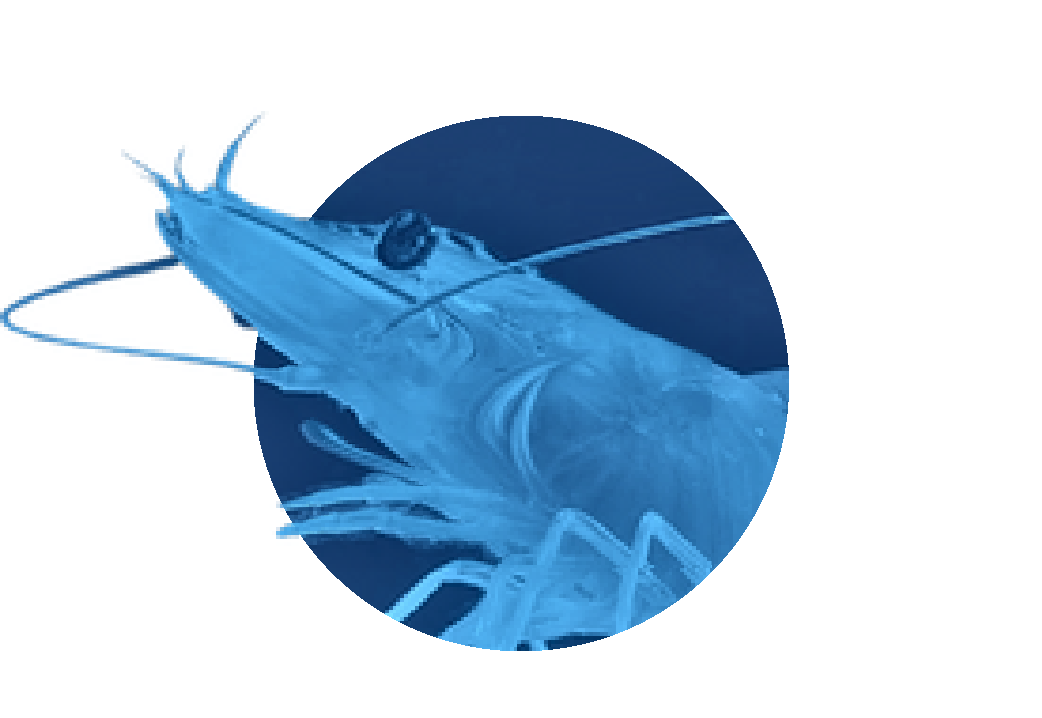
Following engagement through the Benchmark and direct dialogue with our team, certification schemes have begun formalizing positions on critical neglected species issues. Notably, Best Aquaculture Practices (BAP) agreed to a prohibition on shrimp sourced from eyestalk ablation practices, marking a significant step in addressing one of the most severe welfare concerns in aquaculture.
Growing alignment on Octopus Farming Prohibition across schemes
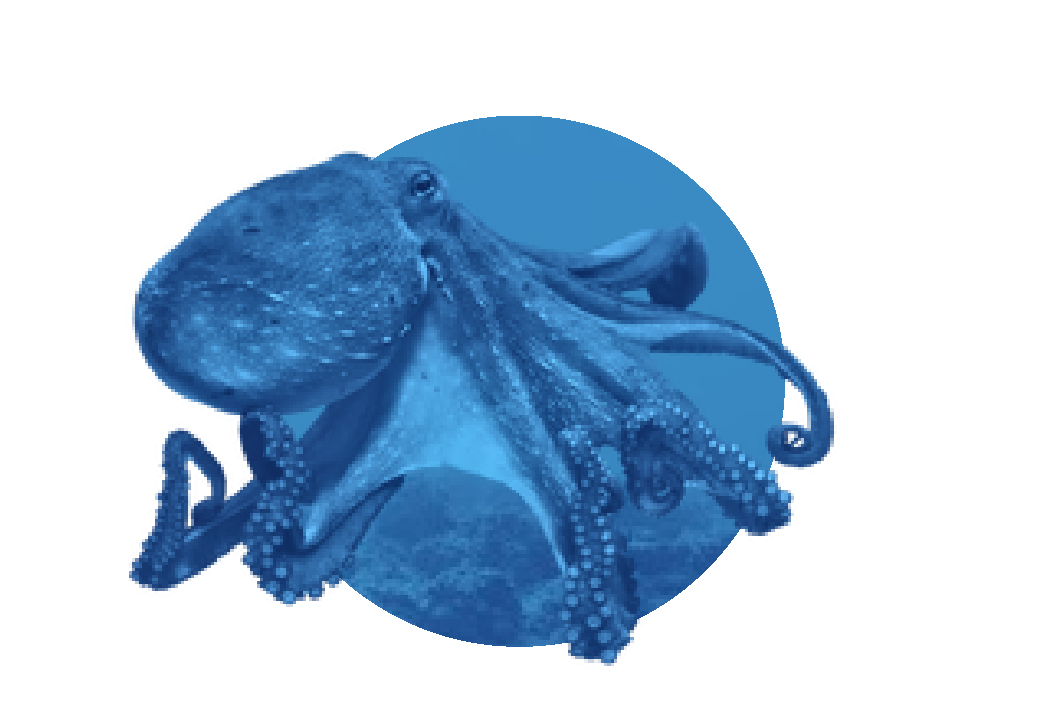
Multiple certification bodies have either adopted or signaled willingness to adopt a prohibition on octopus farming, reflecting increased recognition of the species’ complex behavioral needs and high welfare risks. This represents an important early success in shaping the governance of emerging aquaculture species before harmful practices become standardized.

Direct influence on ongoing standard revisions
Several certification schemes, including Aquaculture Stewardship Council (ASC), BAP, and Certified Humane have acknowledged the Benchmark’s findings and indicated that updates to their standards are underway. These include improvements in areas such as stocking density, water quality, environmental enrichment, and stunning and slaughter requirements, demonstrating the Benchmark’s role as a driver of continuous improvement.
Contact