“Sustainable” Food at the UN Climate Change Conference?
The 26th United Nations Climate Change Conference of the Parties (COP26) will take place in Glasgow, UK from October 31st - November 12th. The meeting will focus on taking action towards the Paris Agreement goals and the UN Framework Convention on Climate Change.
This major conference that seeks to tackle the global climate change dilemma is offering attendees food that, for the most part, appears to be sustainably sourced with many items being plant-based. “COP26 wants to be a benchmark for future events by making its food and drink options more sustainable”, says William Phelps. 80% of the food offered is locally sourced from Scotland and has been produced using environmentally sustainable methods. For example, Edinburgh’s Mara Seaweed does not require fertiliser, fresh water or soil to grow.
The organisers are however being criticised for offering other items such as beef, chicken and farmed salmon. Some of the dishes they are offering include:
Winter squash lasagne (plant-based)
Organic kale & seasonal vegetable pasta (plant-based)
Loch Duart smoked salmon & fennel salad
Braised turkey meatballs
Scottish beef burger
Fish & chips
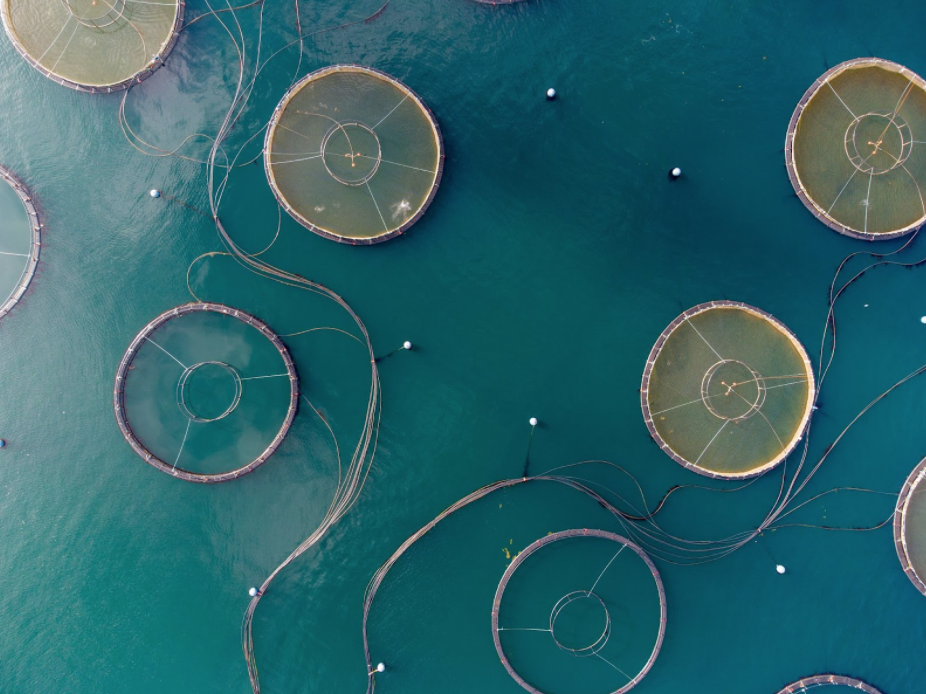
14.5% of global greenhouse gas emissions from human activity comes from livestock, so offering these animal products at a climate summit seems unfitting. The farmed salmon also comes from a company with a poor environmental record. “Loch Duart Ltd is the only salmon producer in receipt of Scottish Government Enforcement Notices during 2021 over failure to control sea lice parasites.”
The UK government and the COP26 caterers, Glasgow’s Scottish Event Campus, claimed that they were committed to sourcing food “from high-welfare producers with sustainable agriculture processes.” But offering salmon that comes from a farm that received two Enforcement Notices in 2021 for failure to control sea lice satisfactorily raises questions about the level of concern for sustainability and welfare.
“For COP26 to serve up farmed salmon, the product of what is, in many people’s opinion, a fundamentally unsustainable industry, shows bad judgement, but to source it from a company with such poor environmental credentials is inexcusable. Loch Duart Ltd has the dubious distinction of being the only salmon producer this year to have received two Enforcement Notices from Scottish Government for failing to control sea lice parasites – which, when they disperse from open-net salmon farms, have a devastatingly lethal impact on wild salmon and sea trout. COP26 should not be endorsing a company that appears to be either incapable of maintaining or unwilling to maintain sea lice parasites within anything like acceptable levels – thus displaying scant regard for its environmental obligations.” - Andrew Graham-Stewart, Director of Salmon and Trout Conservation Scotland (S&TCS)
In the formal “COP26 Explained” document, it states:
“There is no viable pathway to net zero emissions that does not involve protecting and restoring nature on an unprecedented scale. If we are serious about holding temperature rises to 1.5 degrees and adapting to the impacts of climate change, we must change the way we look after our land and seas and how we grow our food. This is also important if we want to protect and restore the world's biodiversity, upon which all life depends.”
A climate summit that stresses the importance of protecting and restoring the oceans, land and biodiversity and changing the way we grow our food, while supporting industries that go against all of these efforts is contradictory and ill-advised. We can question whether leaders are really willing to make the necessary major changes and we can question what leaders actually consider sustainable.