Seafood Expo Global 2026: Aquatic Animal Welfare Moves into the ESG Mainstream
At this year’s Seafood Expo Global in Barcelona, one thing was clear: aquatic animal welfare is rapidly emerging as a core component of ESG in the seafood sector
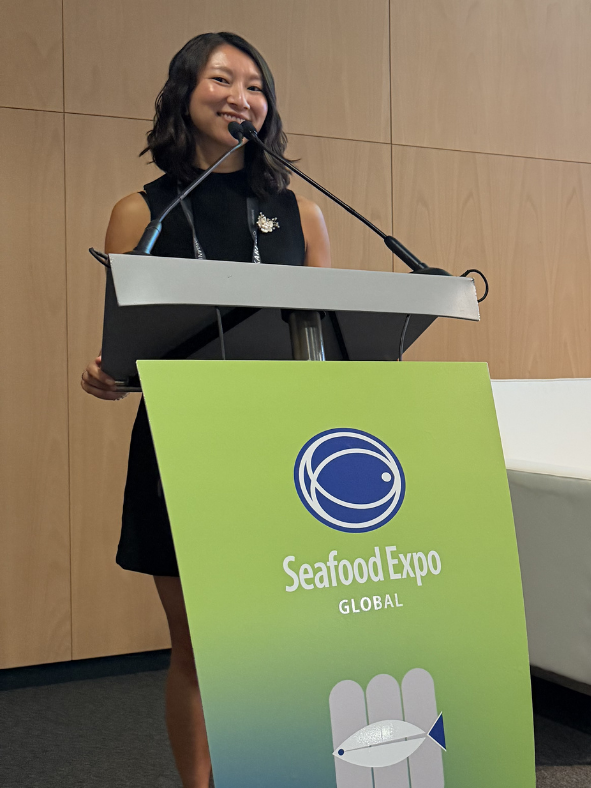
From April 21–23, Aquatic Life Institute attended the world’s largest seafood industry event, the Barcelona Seafood Expo Global (SEG).For the first time, we hosted a panel in the official conference program: Building a Responsible Blue Food Future: ESG-Driven Innovation in Fisheries and Aquaculture. The session brought together leaders from across the value chain – Bertrand Charron (Aquaculture Stewardship Council), Miguel Ruano (Sustainable Fisheries Partnership), Teresa Fernández (Hilton Foods), and Esben Sverdrup-Jensen (Danish Pelagic Producers Organisation) – and had around 40 attendees to discuss how Environmental, Social, and Governance (ESG), including animal welfare, is reshaping seafood production.
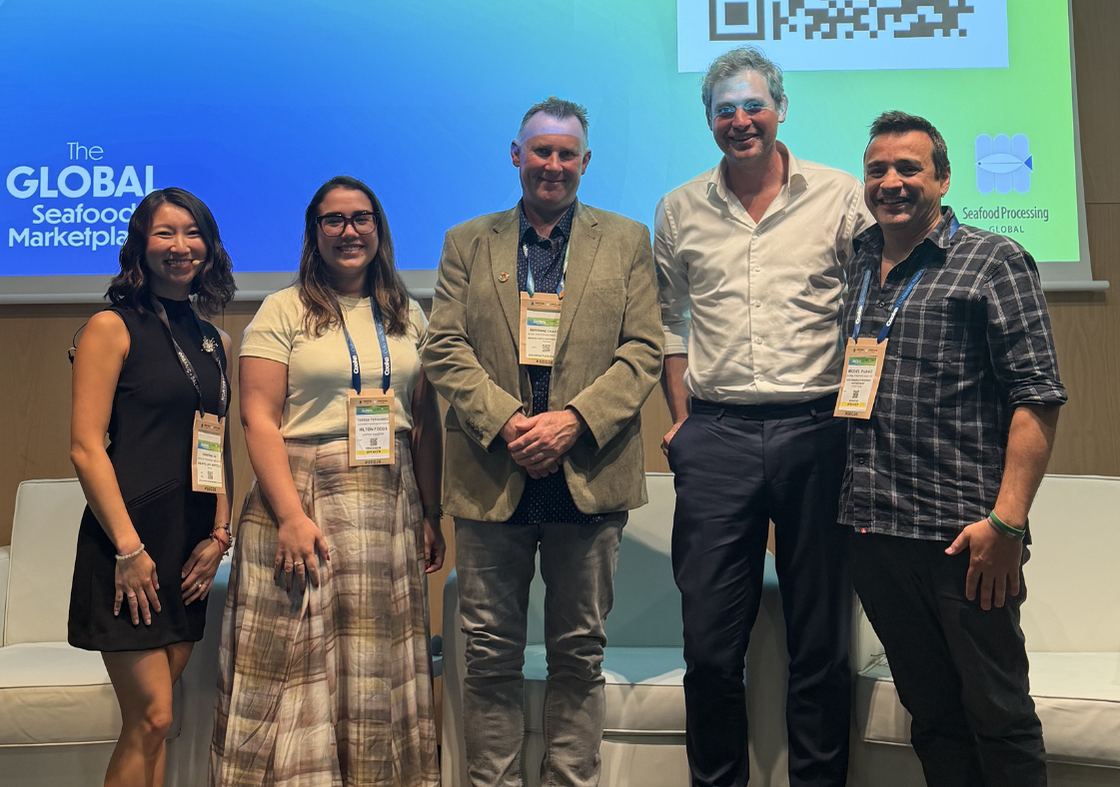
A clear signal: welfare is here to stay
Throughout the discussion, a consistent message stood out: Animal welfare in seafood production is an issue that can no longer be ignored.
From the fishing side, Esben Sverdrup-Jensen, CEO of DPPO, emphasized the concept of a “license to fish,” noting that maintaining access to resources increasingly depends on meeting broader social expectations, including how fish are treated during capture.
From the corporate perspective, Teresa Fernández, Sustainability Senior Manager of Seafood and Crops at Hilton Foods, highlighted that ESG considerations are actively shaping sourcing decisions. Looking ahead, she noted that supplier selection will increasingly depend on alignment with key priorities, including involvement in animal welfare and other sustainability initiatives important to Hilton Foods.
From the certification angle, Bertrand Charron, Global Director of Research & Insights at Aquaculture Stewardship Council (ASC), demonstrated how ASC is already integrating welfare deeply into its standards, positioning certification schemes at the forefront of translating expectations into measurable requirements.
And from the NGO and industry engagement side, Miguel Ruano, Global Fisheries Analyst at Sustainable Fisheries Partnership (SFP), shared that recently, SFP is getting more and more inquiries on fish welfare directly from its corporate partners. He also highlighted SFP’s involvement in the Well4Catch consortium, signaling increased collaboration to address welfare challenges in capture fisheries.
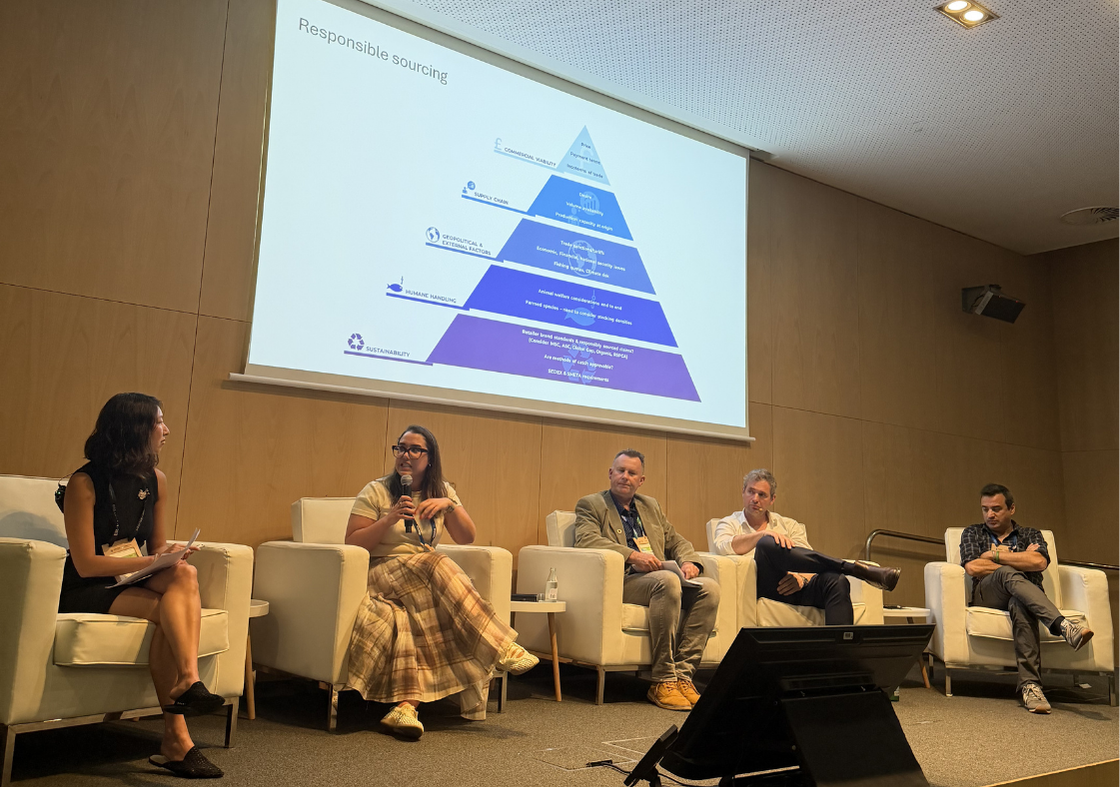
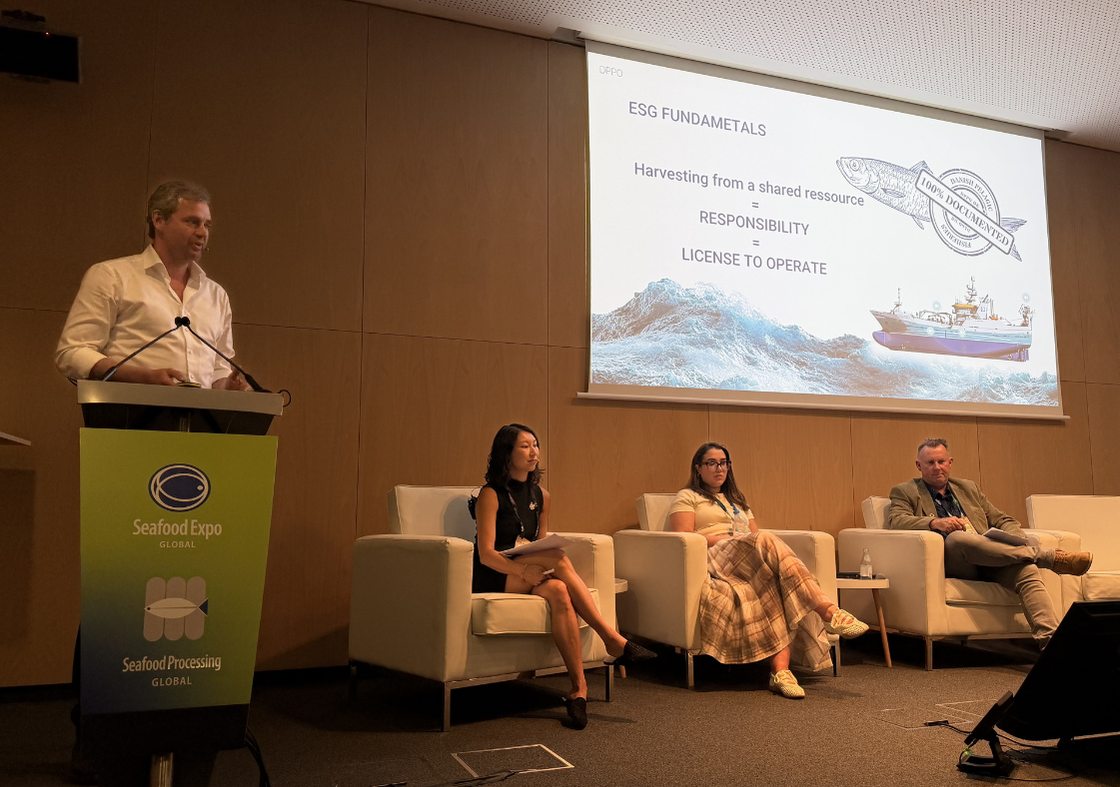
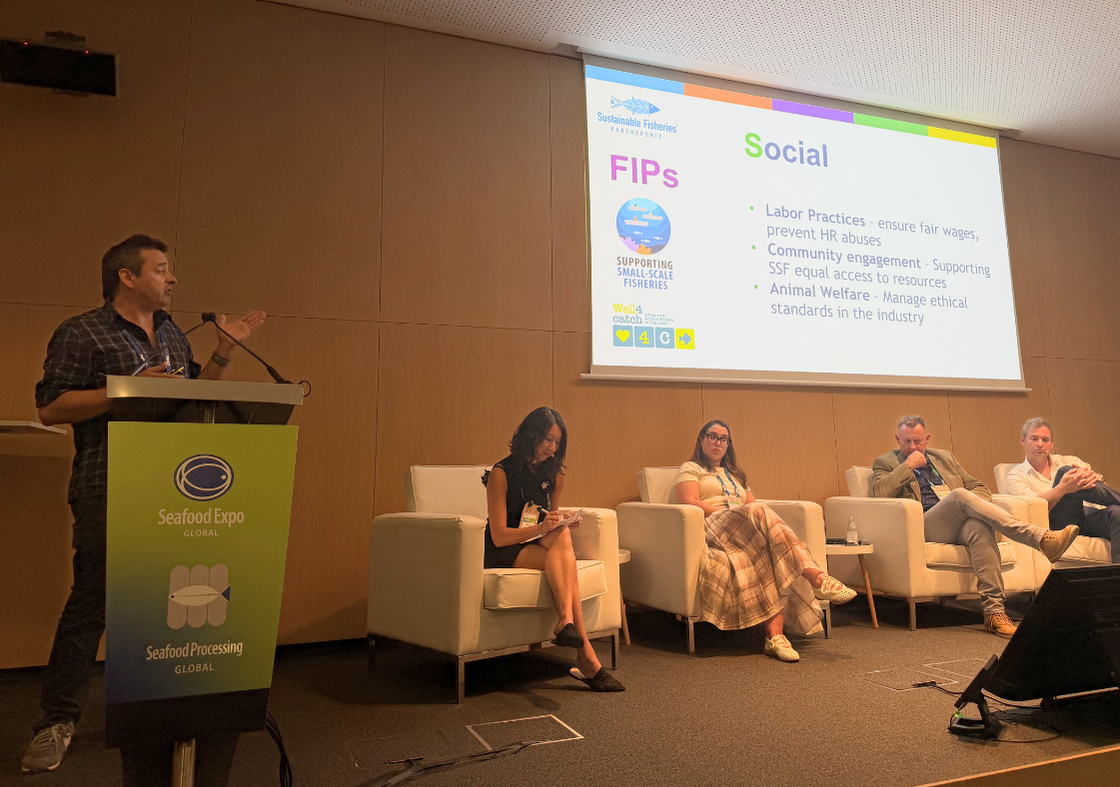
Aquatic Life Institute brought this diverse panel together at a timely moment, reflecting a growing recognition across the seafood sector that ESG considerations must also include how aquatic animals are treated in the industry. As global demand for blue foods continues to rise, the challenge is no longer just about scaling production, but doing so in ways that are responsible, science-based, and aligned with long-term sustainability. Strengthening collaboration across industry, certification bodies and civil society is key to ensuring that welfare becomes an integrated and practical component of this transition.
From niche to necessity
What makes this shift notable is how quickly it has happened. Five years ago when we first started attending SEG, aquatic animal welfare was barely on the radar. Today, it is not only being discussed openly, but industry actors are actively seeking guidance from ALI.
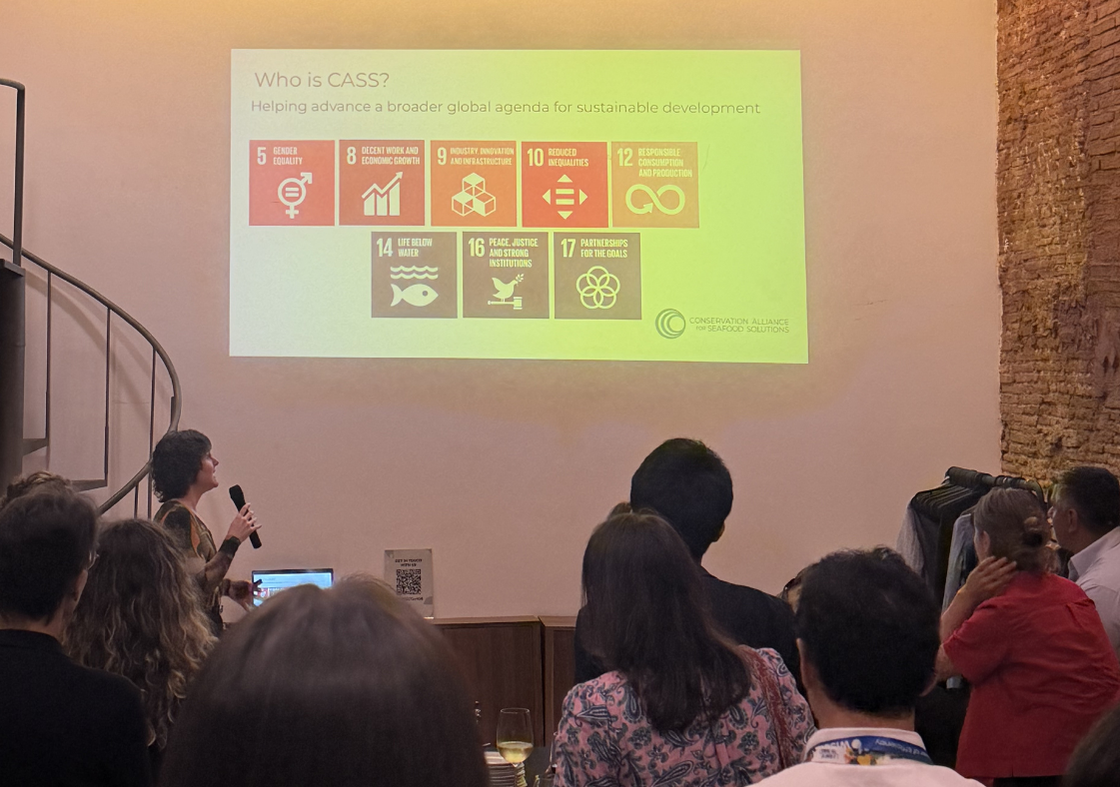
This trend extended beyond the panel. Throughout the week, we engaged with a wide range of stakeholders, including the Global Dialogue on Seafood Traceability (GDST), certification schemes, technology providers, fishing industry associations, retailers, and suppliers, as well as at networking events hosted by the Conservation Alliance for Seafood Solutions. Across these conversations, it was clear that investors and supply chain actors are beginning to ask questions about fish welfare, even in historically overlooked areas like fishmeal and fish oil (FMFO) production.
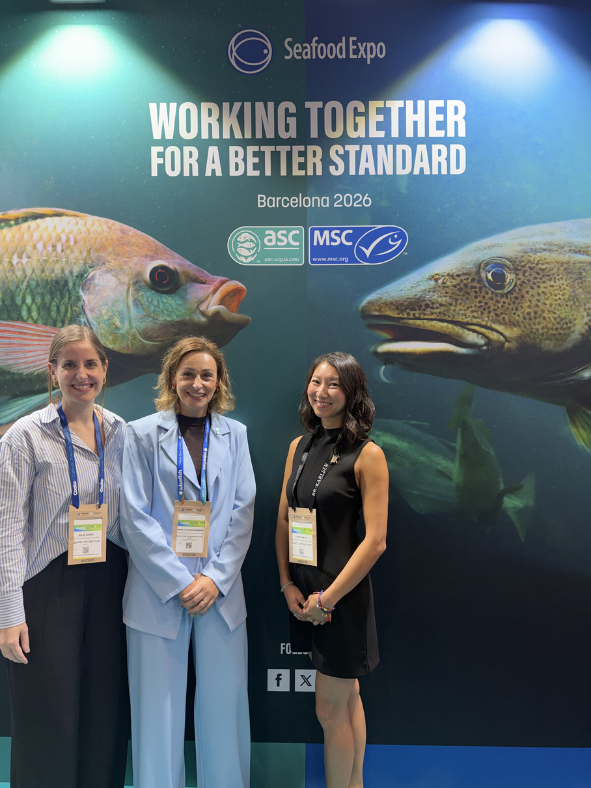
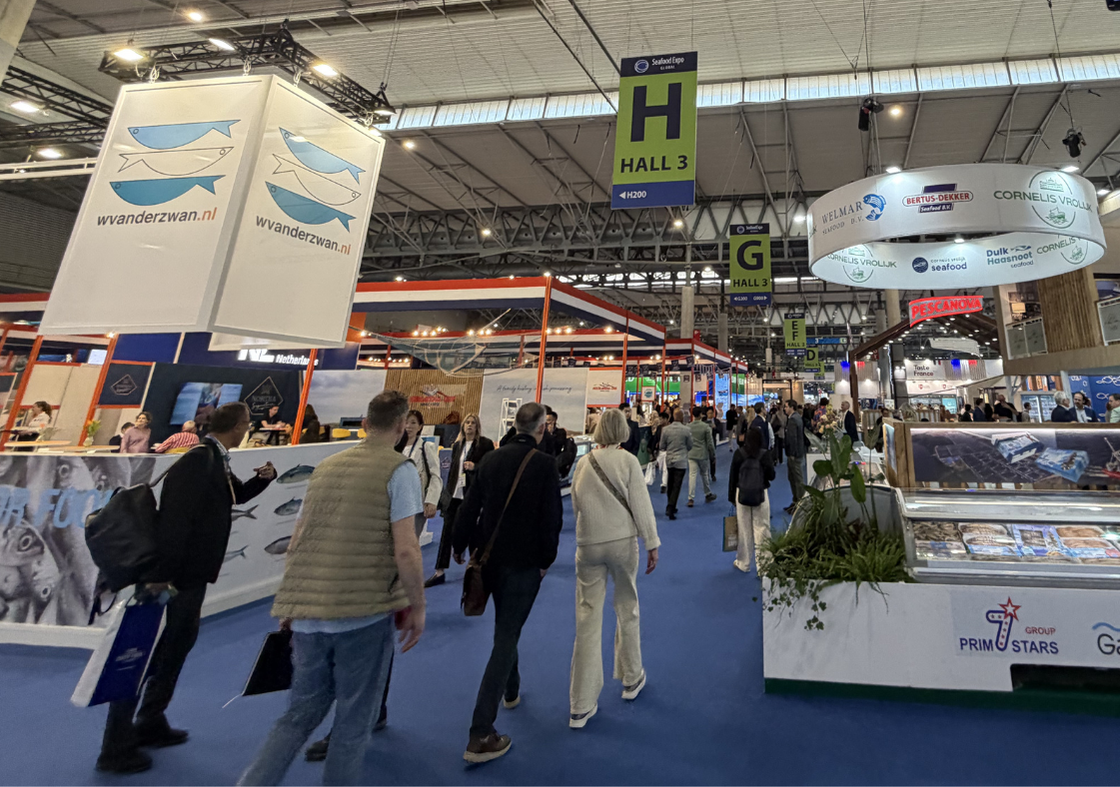

Additionally, GDST and the need for interoperable data systems were repeated across multiple panels, highlighting how widely recognized these standards have become among industry leaders. This underscores the growing importance of traceability and data interoperability in effective supply chain management. In 2025, ALI led the animal welfare expansion dialogues within GDST, developing key data elements that can be integrated alongside existing product data in both aquaculture and fisheries. These efforts aim to help businesses establish a baseline for animal welfare, because meaningful improvement starts with visibility.
A pathway forward
The key takeaway this year is that welfare is no longer an abstract concept. It can be operationalized across the seafood value chain, from aquaculture and fisheries to certification systems and corporate–NGO partnerships. Even in fisheries, where welfare has historically lagged behind aquaculture, the focus is no longer only on what we catch, but increasingly on how the fishes are treated during the capture process.
At ALI, we work to bridge science and industry by translating welfare data into practical, real-world applications. The momentum we saw at SEG 2026 reflects years of steady progress since our founding in 2019 to bring aquatic animal welfare into mainstream conversations. It is hugely motivating to see that work beginning to take hold across the sector.
The complexity of aquatic animal welfare means there are multiple possibilities for improvement across aquaculture and fisheries, different species and production systems. This creates several opportunities for the industry to make meaningful, stepwise progress depending on context and operational priorities.
We partner with seafood businesses across the value chain to help integrate aquatic animal welfare into sourcing, operations, and supply chain management, from identifying key risks to developing practical, measurable solutions. If you’re looking to get ahead of emerging ESG expectations, contact us for a free, tailored consultation.