G.A.P releases leading salmon welfare certification for aquaculture
By Catalina Lopez Salazar, Director of the Aquatic Animal Alliance
The Aquatic Life Institute has been collaborating closely with Global Animal Partnership (G.A.P) for over a year on their groundbreaking welfare certification for aquaculture facilities specific to salmon, which was released today on World Oceans day.
Our certifier advocacy work over the past 2 years has focused on engaging directly with seafood certifiers in order to improve animal welfare interventions on their existing or future standards. Global Animal Partnership has vast experience with certifications of farmed land animals, and they have now decided to venture into the seafood space with their first salmon standard.
This standard includes the latest science-based interventions to improve welfare for salmon and includes enrichments at all life stages, stocking density requirements, cleaner fish care and management, daily water quality monitoring, non-lethal predator control, skin and body conditioning monitoring, stunning and slaughter requirements.
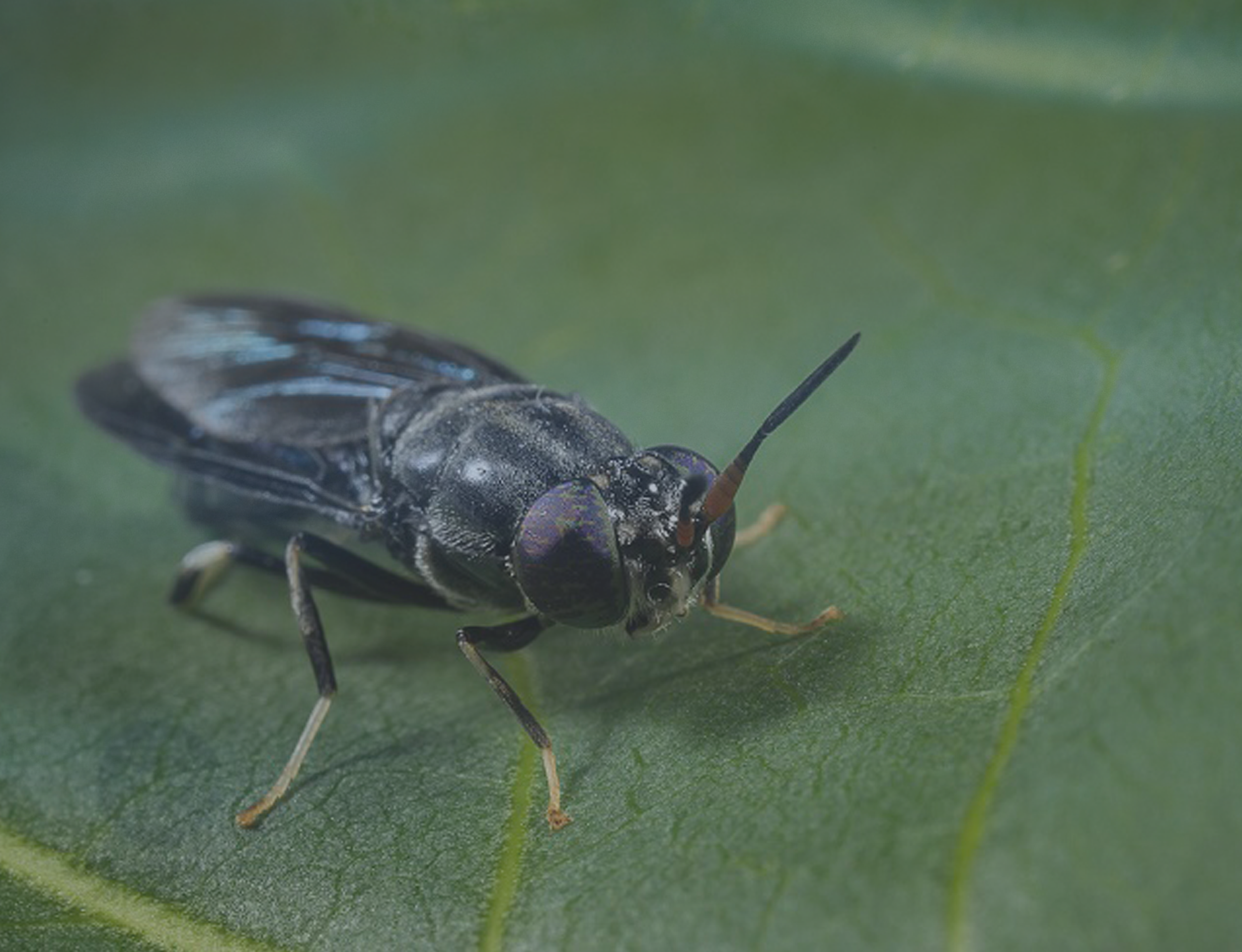
This comprehensive standard also includes a novel ban on insects on fish feed, which is a huge area of concern for the animal protection movement, because of its unknown consequences in terms of animal welfare and environmental impacts.
This constitutes a huge win, since one of the main prospective clients of the nascent insect factory farming industry is the aquaculture industry, due to the issues they face with dwindling wild fish populations, used to feed fish like salmon in aquaculture farms. Plant-based alternatives should be pursued rather than other animal sources (such as insects) as they are less sustainable. This sends a clear message to the industry that insects are not the answer.
We are confident that this new standard will serve as a catalyst for a wide industry shift towards animal welfare being at the forefront of innovations and positive changes in the aquaculture industry, as producers will be able to improve their operations immensely because animals will be healthier both physically and psychologically, reducing mortality and morbidity rates, and improving overall outcomes.
The Aquatic Life Institute and the Aquatic Animal Alliance will continue working closely with certifiers to ensure continuous improvement of their standards, and accountability on their application on farms and vessels. We are finalizing a comprehensive tool on current welfare.
Interventions of some of the largest certification bodies, which will be publicly available on June 22th, so stay tuned!