A Bill That Could Impact Millions of Fish Was Recently Introduced in the U.S.
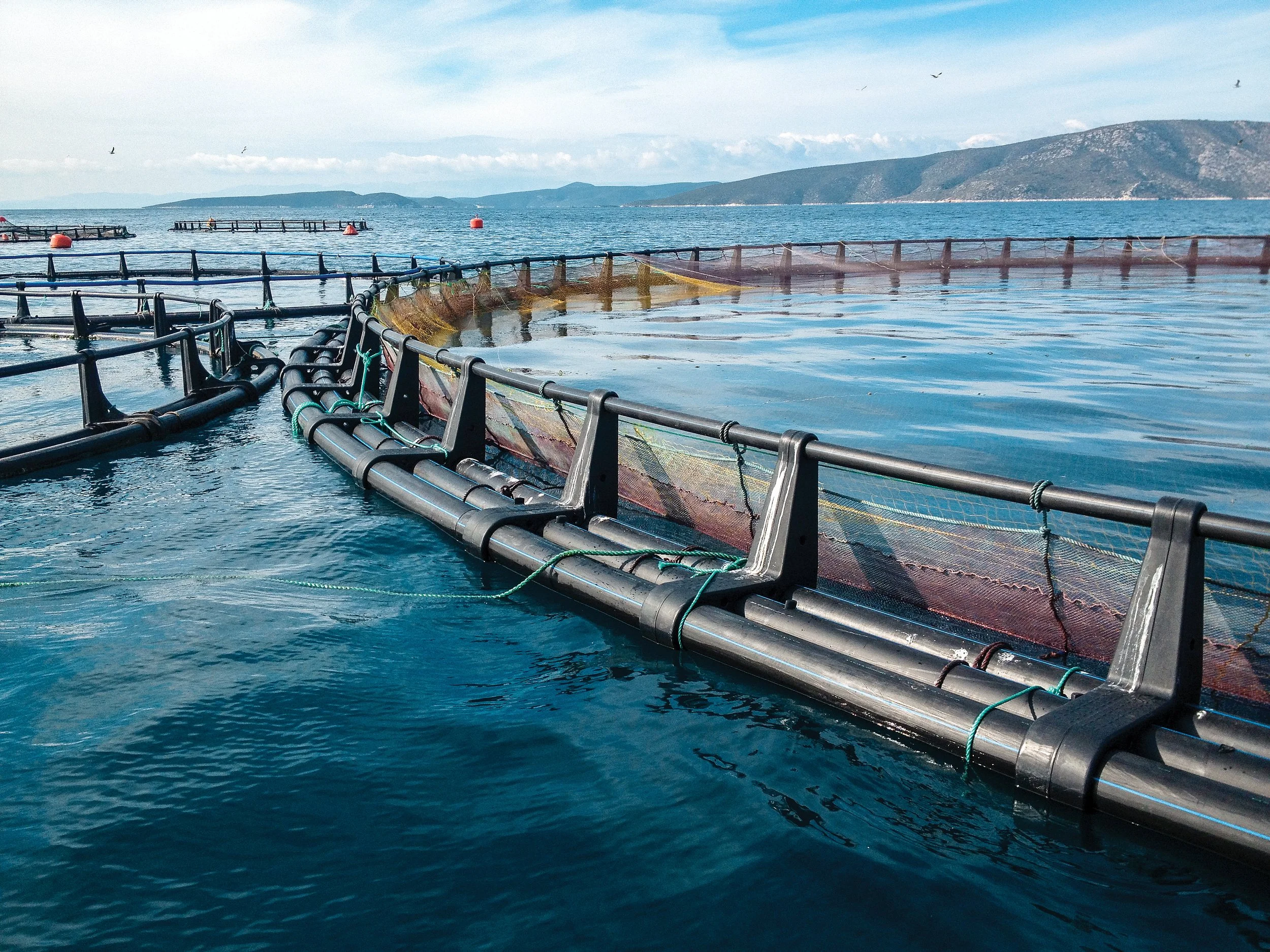
Perhaps the most significant legislation that could impact aquatic animals in the U.S. was introduced in Congress this October. The AQUAA Act, or the Advancing the Quality and Understanding of American Aquaculture Act of 2021, would set national standards for aquaculture and fish feed, open up commercial aquaculture development in federal waters, provide funding for the promotion of U.S seafood and aquaculture, and much more.
If signed into law, this bill would have a profound impact on the millions of farmed fish that will be reared in these facilities annually, on wild populations, and on the environment and coastal communities. This article will provide a brief background on this bill, discuss its implications for fish welfare, and offer practical steps anyone can take to support aquatic animals wherever they are around the globe.
Background
In May 2020, the Trump Administration signed an Executive order directing NOAA to, among other things, establish “Aquaculture Opportunity Areas.” These are areas that show high potential for commercial aquaculture.
The Trump Administration selected the Gulf of Mexico as a potential spot for offshore fish farming, along with waters off Southern California. These were the first regions designated as “Aquaculture Opportunity Areas.”
However, in August 2020, a federal court ruled that offshore aquaculture cannot be permitted in the Gulf of Mexico under existing policy.
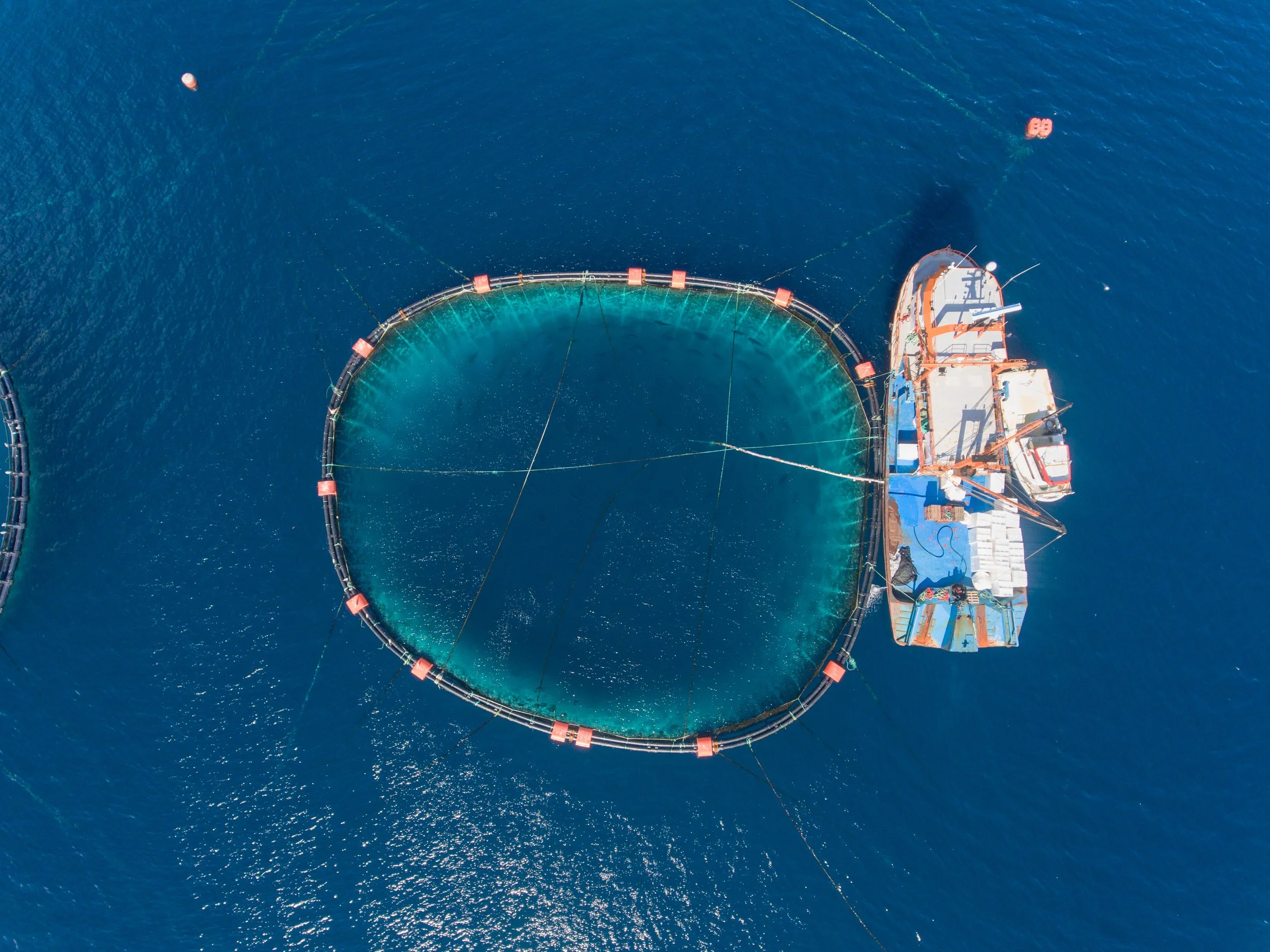
As a result, the AQUAA Act, authored by Sens.Wicker (R-MS), Rubio (R-FL), and Schatz (D-HI) was re-introduced in September of 2020, its third introduction in Congress in the last four years, providing Congressional authority to develop offshore commercial aquaculture in federal waters.
Impacts on fish
Animal advocates, environmentalists, and coastal communities have long known of the negative impacts industrial aquaculture can have on the environment, fish welfare, wild populations, and the livelihoods of those engaged in small-scale fisheries. For example, overcrowding in net pen farms, a result of poor space and stocking density requirements, can lead to a higher incidence of stress, interspecies aggression, and low water quality that can create dead zones, making the local ecosystem uninhabitable.
Moreover, as noted in Aquatic Life Institute’s report “Blue Loss,” we found that up to half of all animals caught at sea are fed to fish on farms, roughly 1.2 trillion every year. This is not only unsustainable and further compounds the welfare problem, but does little to address concerns around overfishing and threatens entire ecosystems and species.
While this bill has language related to animal health, disease prevention, and escape prevention, it does not go far enough to adequately address the primary concerns associated with industrial marine aquaculture. If this bill were to pass, it would only further contribute to these concerns.
Practical steps for Animal Advocates
For those that live in the U.S., as this bill is considered in the Senate, we encourage you to submit comments to your Senator to oppose any version of S.3100 that does not provide robust welfare and environmental review measures. If you are unaware of who your Senator is, you can find and contact them here.
As for actions any reader can take, we strongly encourage you to reduce or avoid consumption of fish or aquatic animals and explore vegetarian or vegan options when possible. If you decide to consume fish, try your best to avoid the consumption of carnivorous fish such as salmon and trout and consume products that have strong independent certification standards.
To keep up to date on the latest policy issues facing aquatic animals and actions you can take to further aquatic animal welfare, stay tuned for future blogs on our website and follow us on social media.